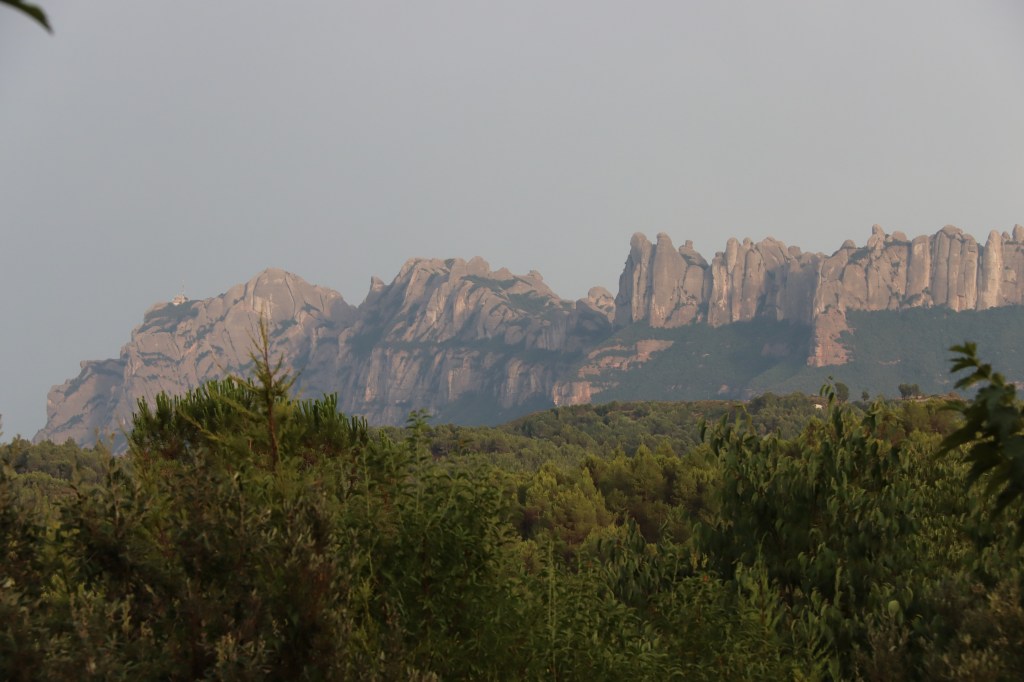
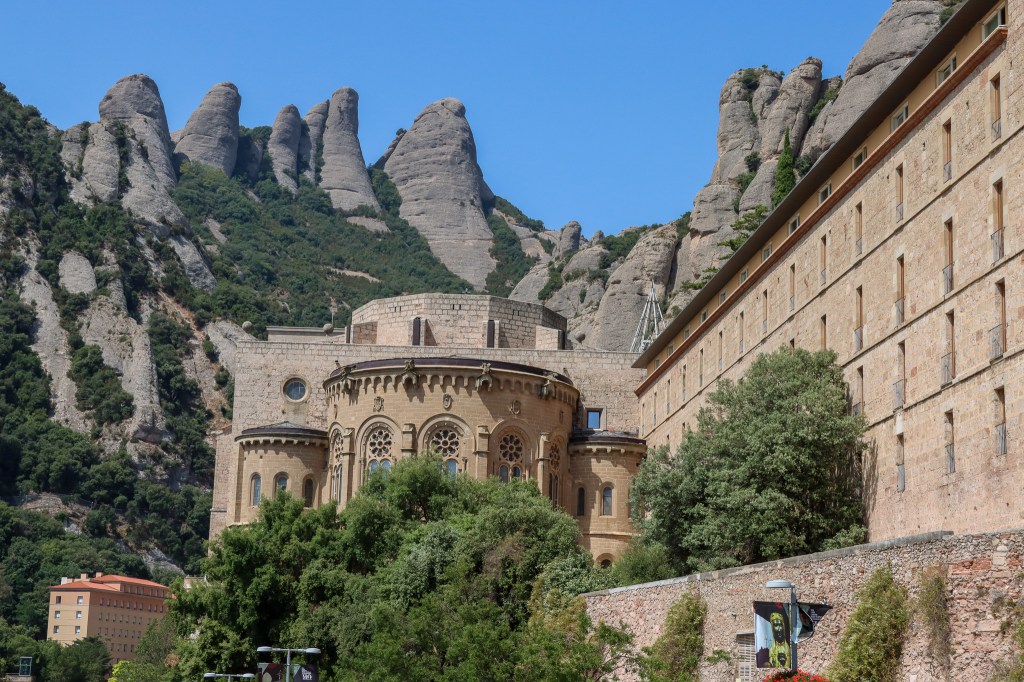
Overlooking our camp site last night were the mountains that house the Montserrat Monastery, our first explore for today. It was a slow and windy climb with magnificent views if you dared take your eyes off the road.
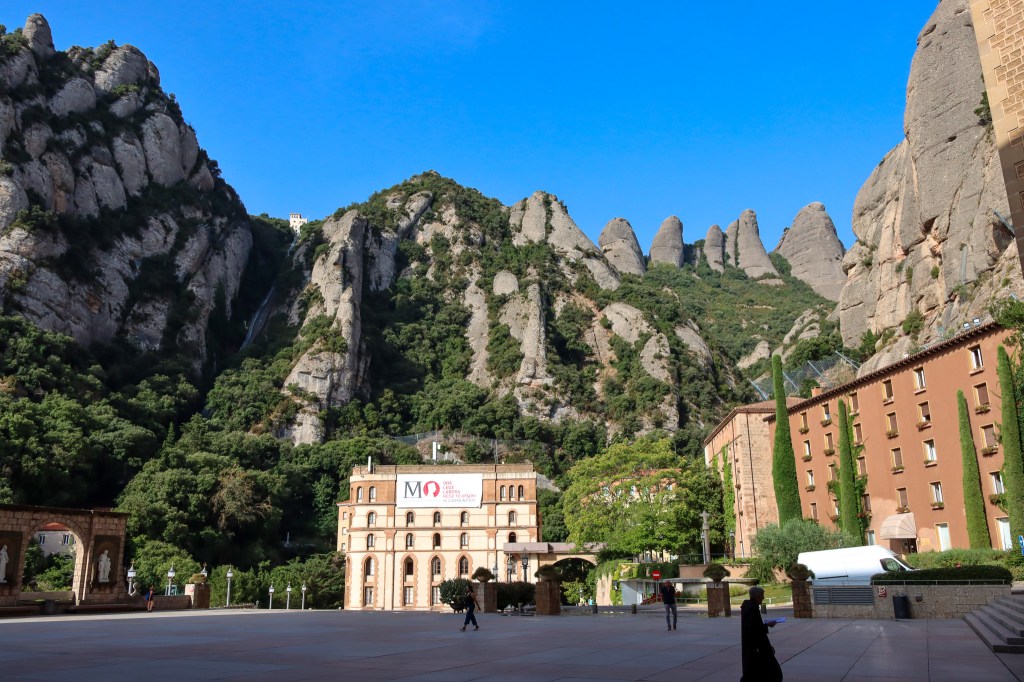
The monastery still operates as does the basilica. However this has become one of the most visited sites in the world so there is enormous infrastructure and commercialism in place to cater for the crowds, and to reap the rewards. It is a very slick operation.
In saying that though, it is an amazing place to visit, particularly if you can beat the crowds. It is a very holy place for some, photogenic for others, and energetic for those inclined. The museum houses an amazing artwork collection and is a must to visit.
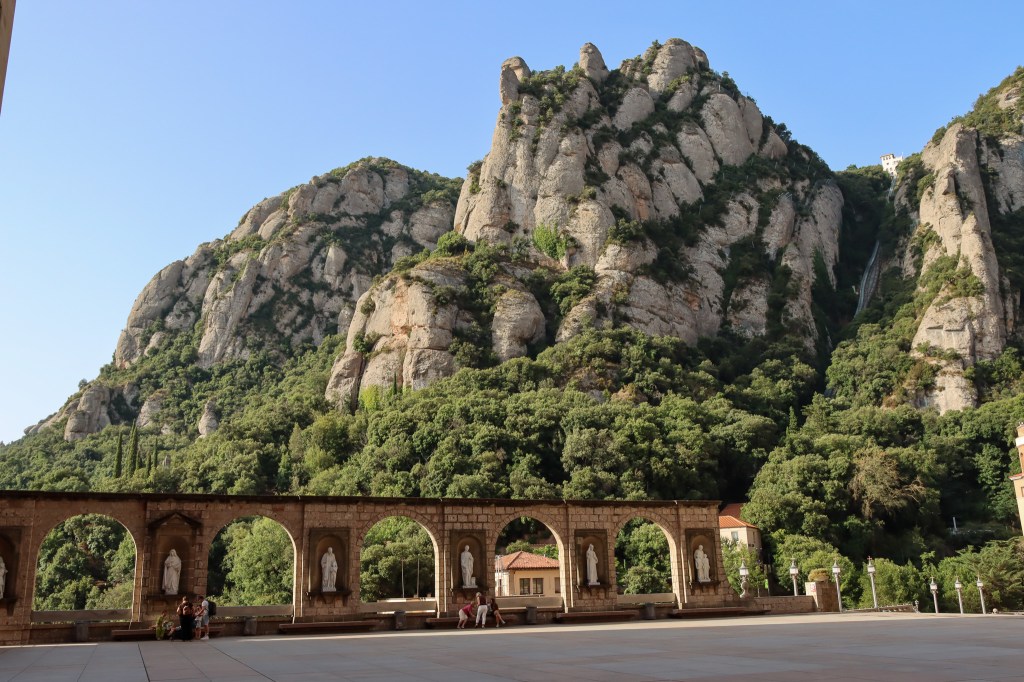
We started with a visit to the Black Madonna in the basilica and then the basilica itself.
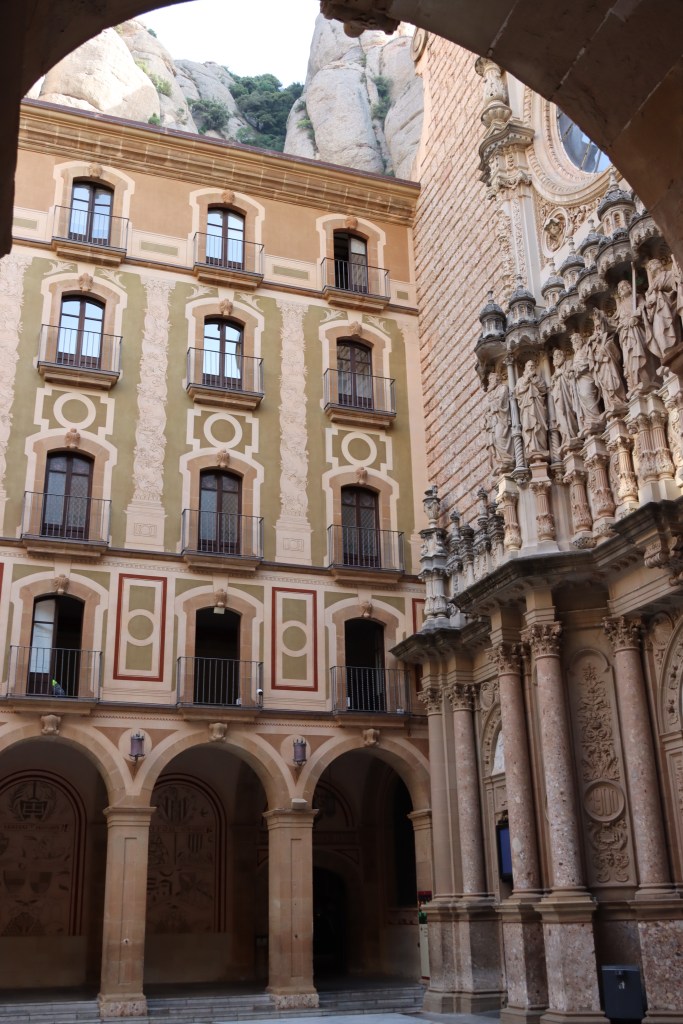
In the courtyard entrance of the basilica.
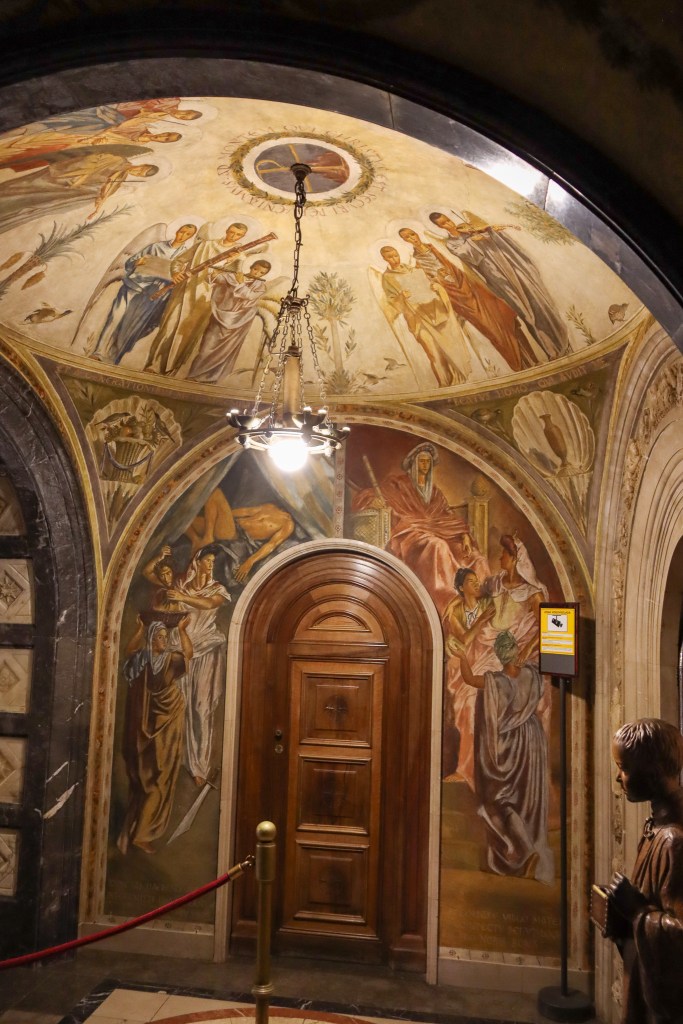
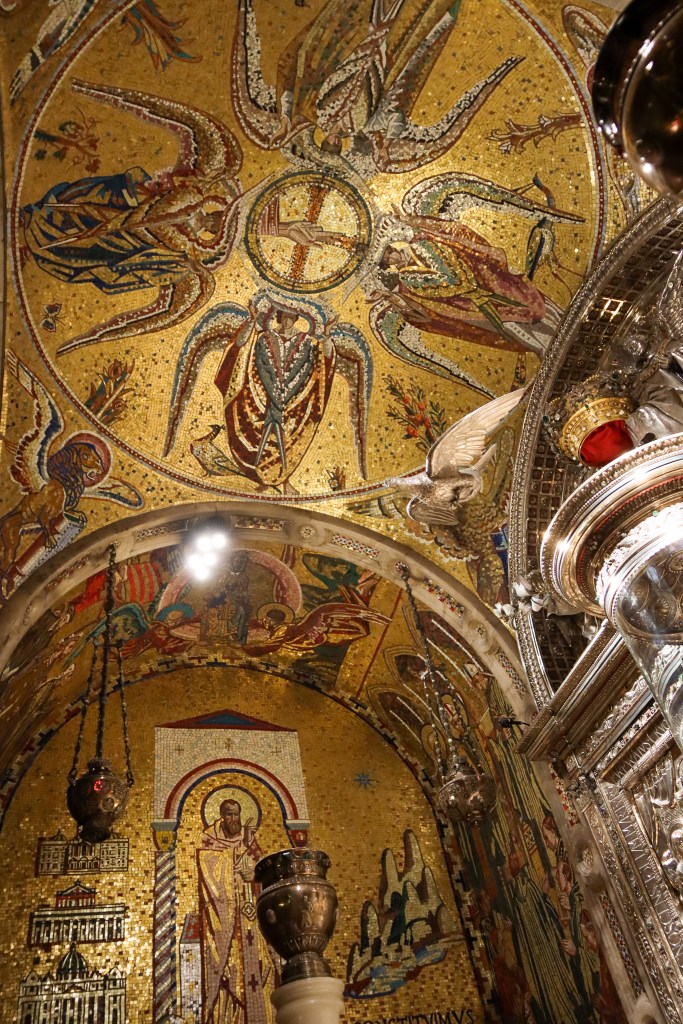
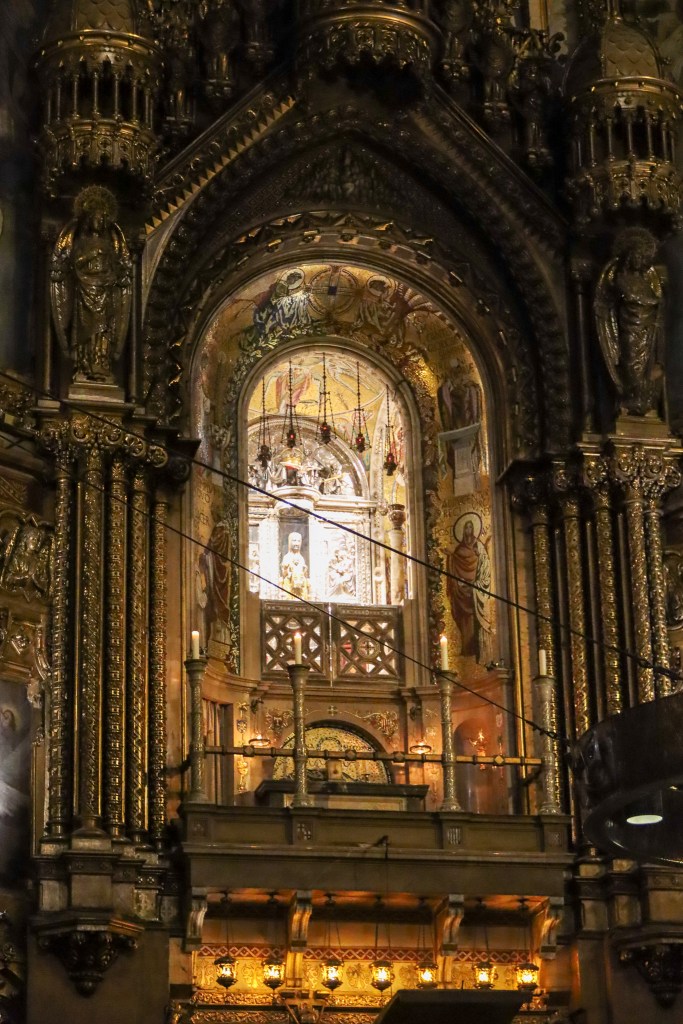
The Black Madonna sits in an alcove high above the front of the church. It is magnificently adorned.
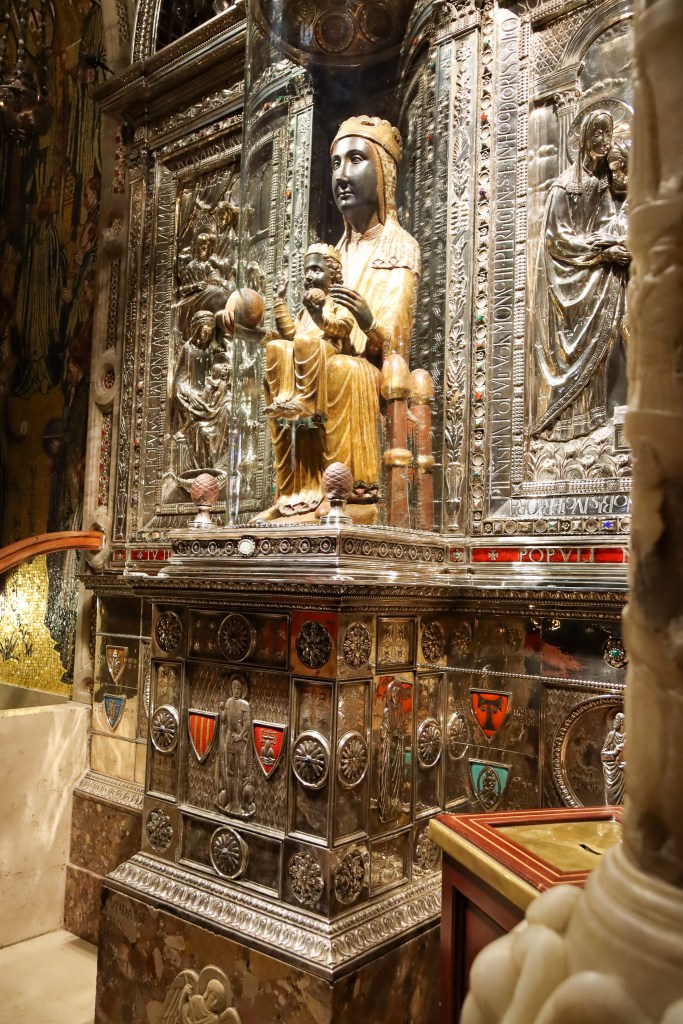
The silver throne is a recent addition from 1946.
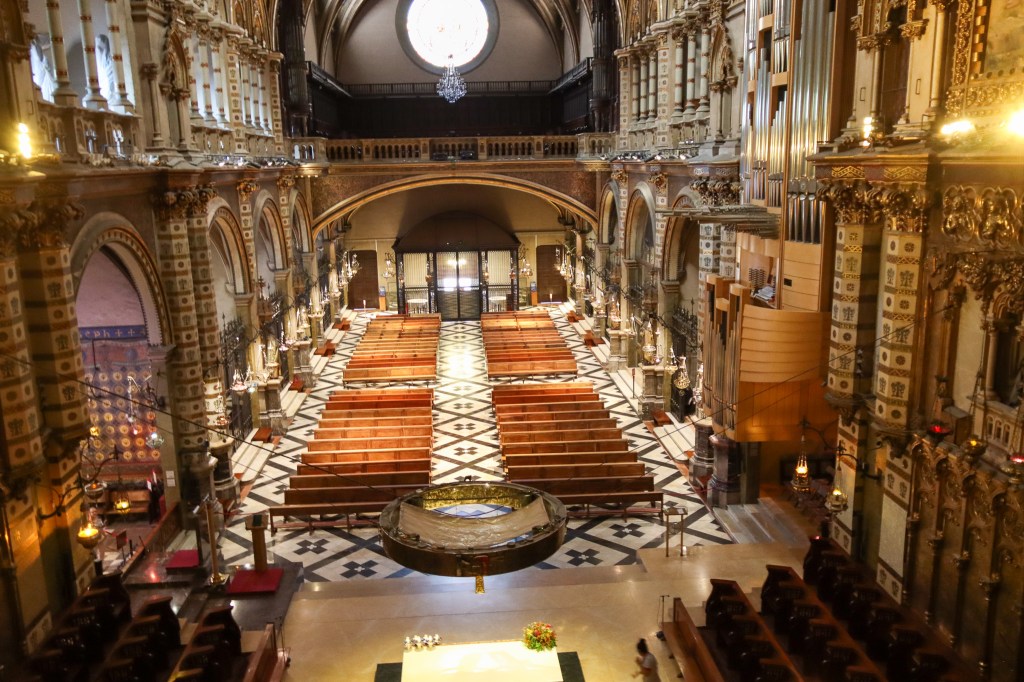
The Madonna’s view of the proceedings.
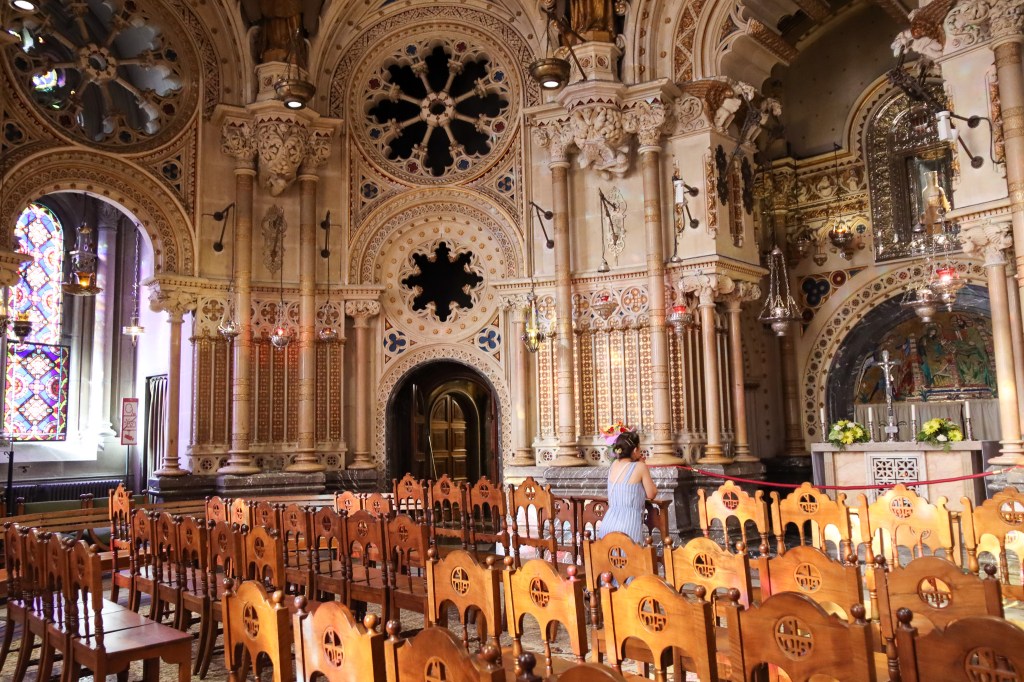
Behind the Madonna is a dedicated room for prayer, also well adorned.
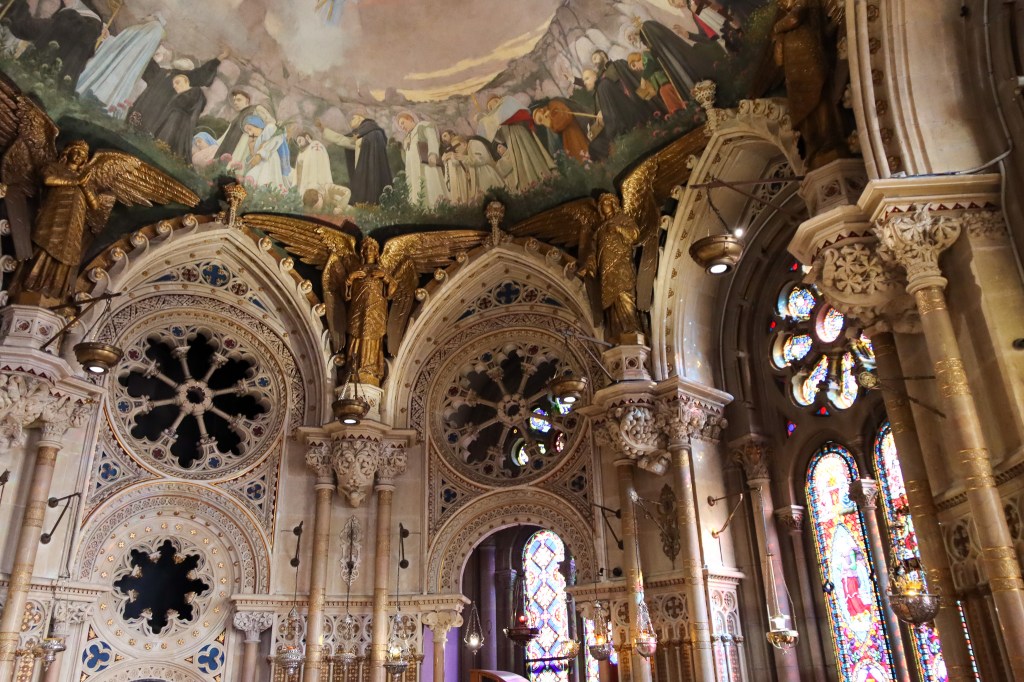
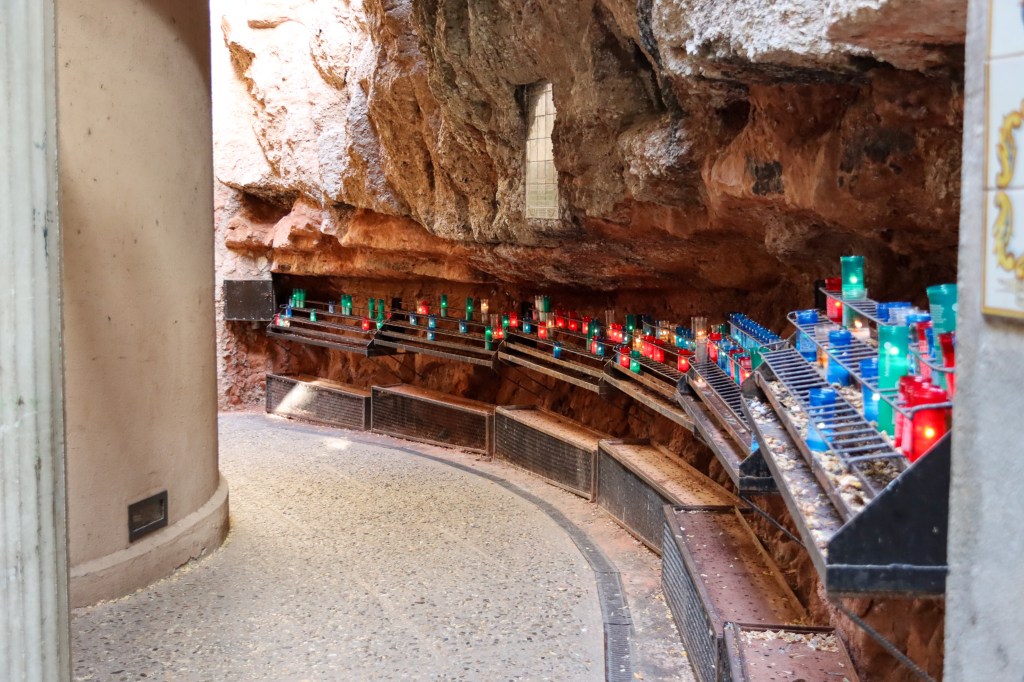
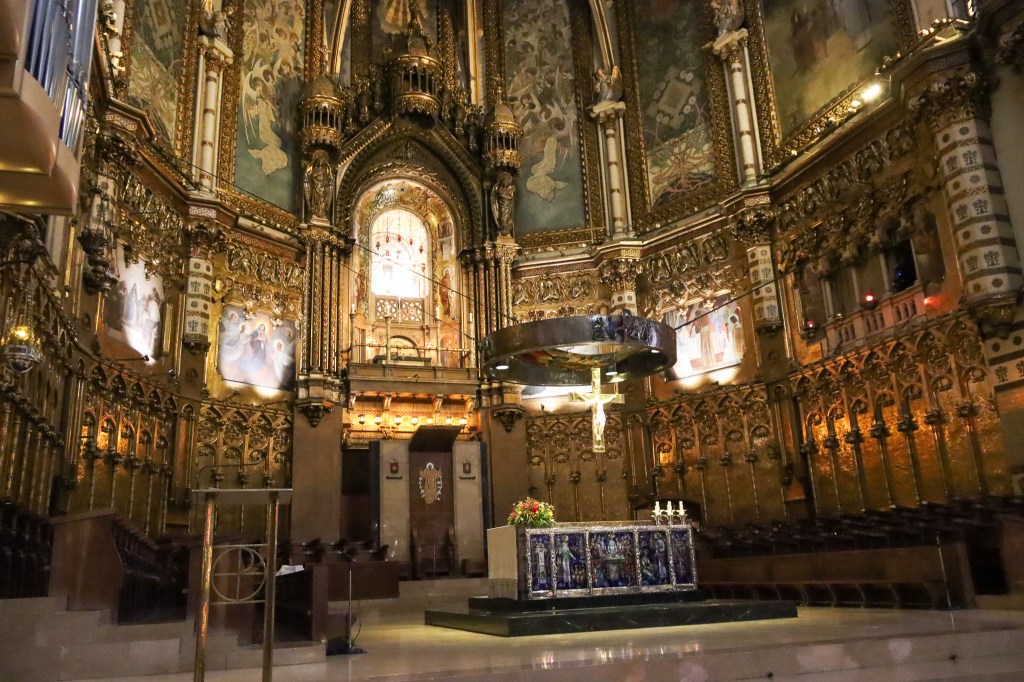
Inside the basilica.
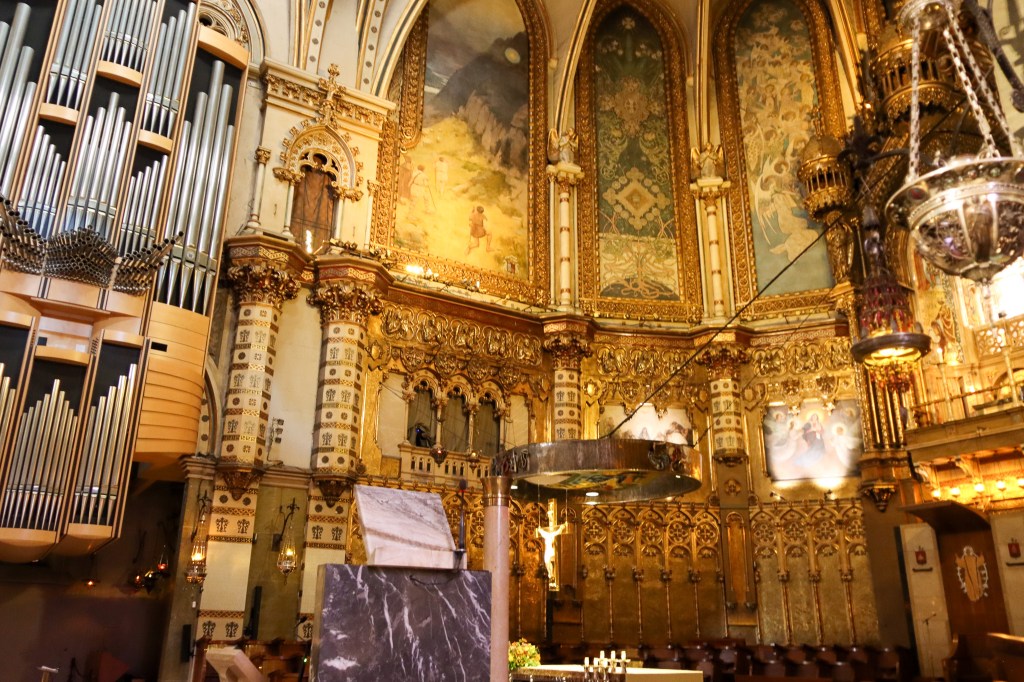
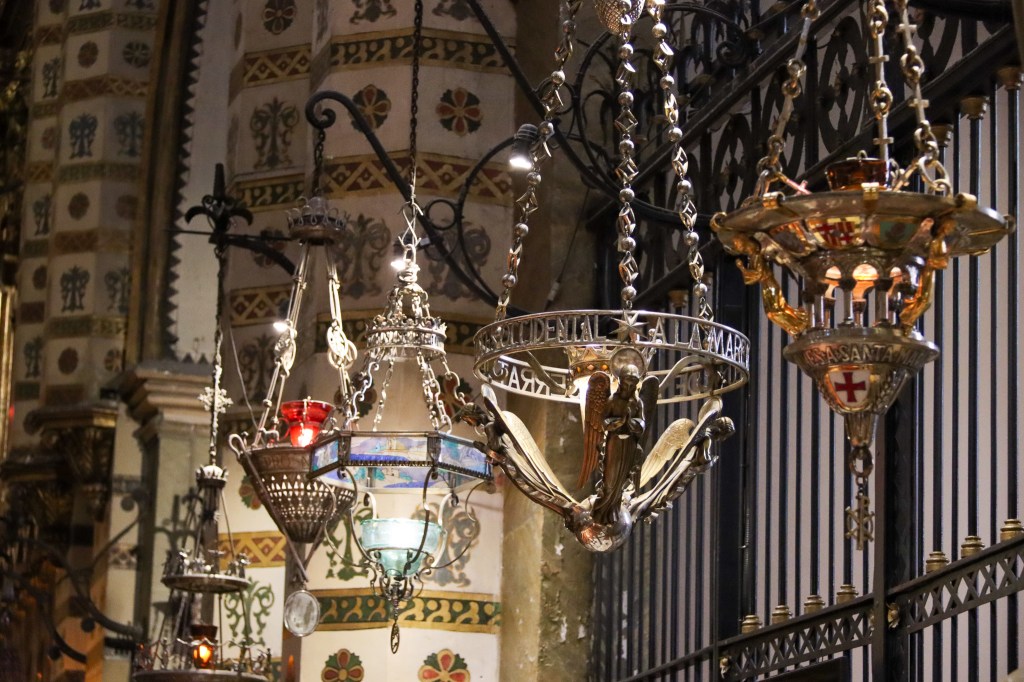
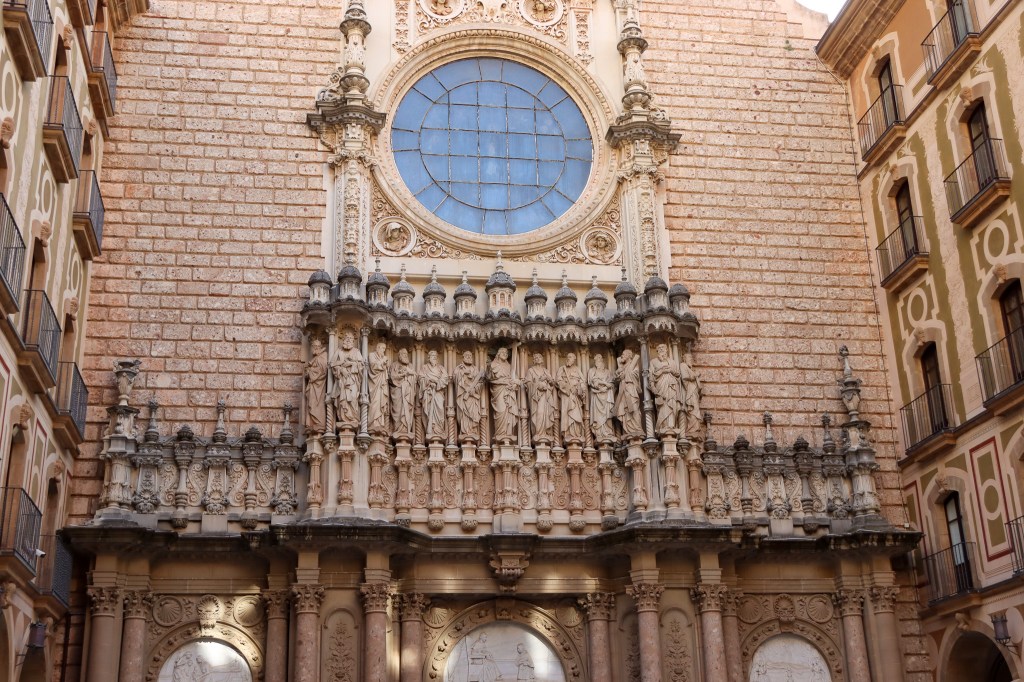
The earliest documentation from the monastery is dated 882 AD. Expansion, extensions, modifications and repairs have been happening ever since.
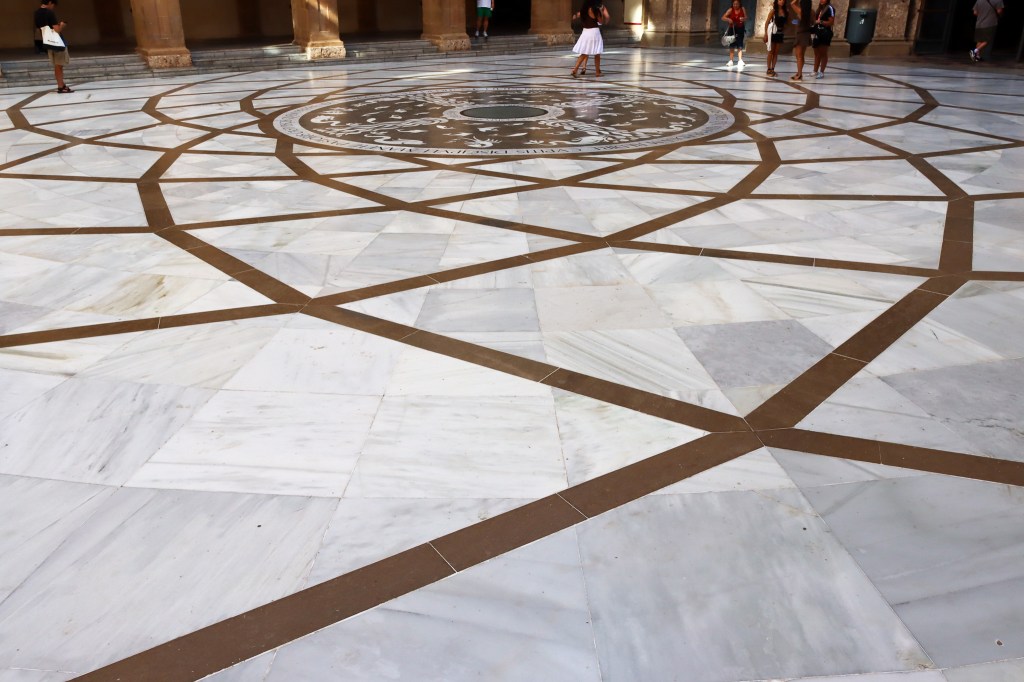
The floor of the courtyard.
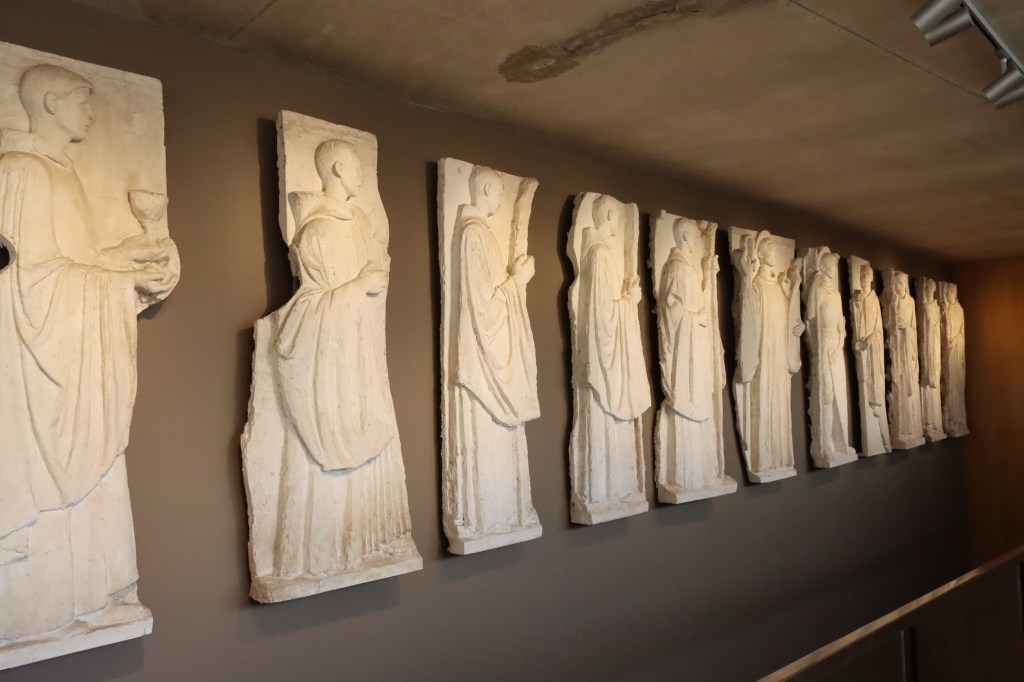
Entering the museum web a met by a row of monks.
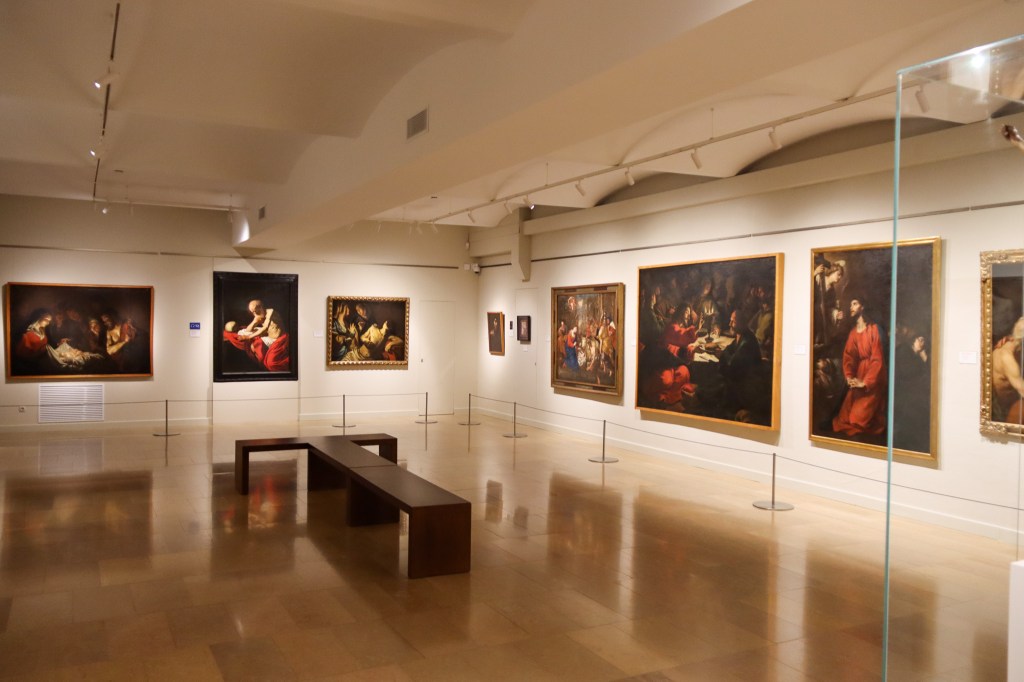
The galleries are well laid out, displaying mostly Catalan artists but also other prominent Spanish work.
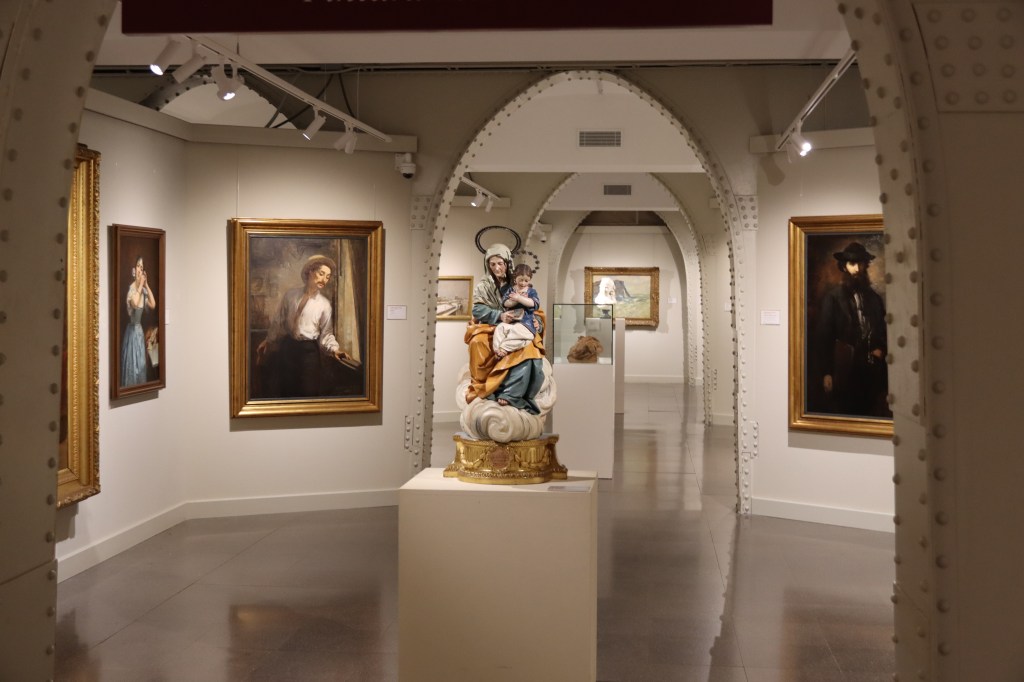
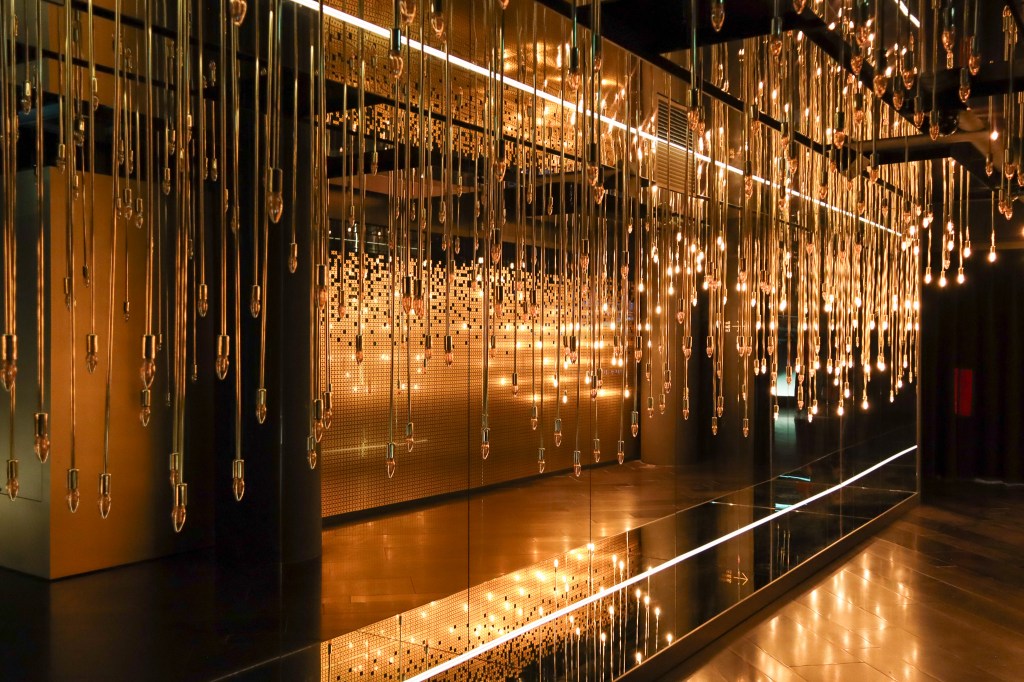
Some other interesting lighting and audio visual effects.
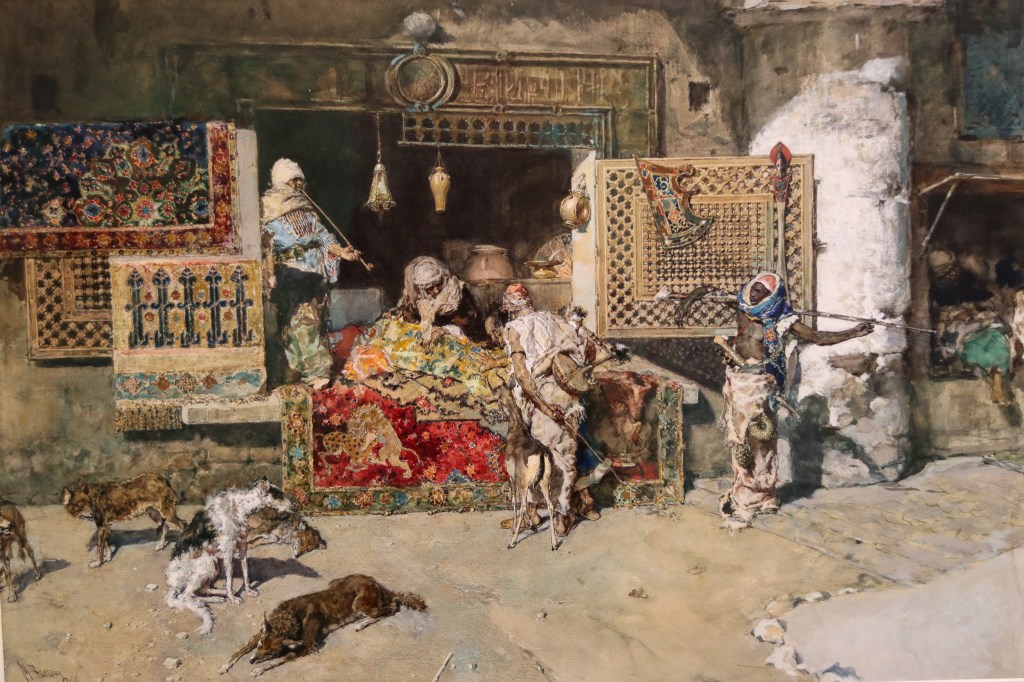
The Tapestry Merchant by Maria Fortuny 1870
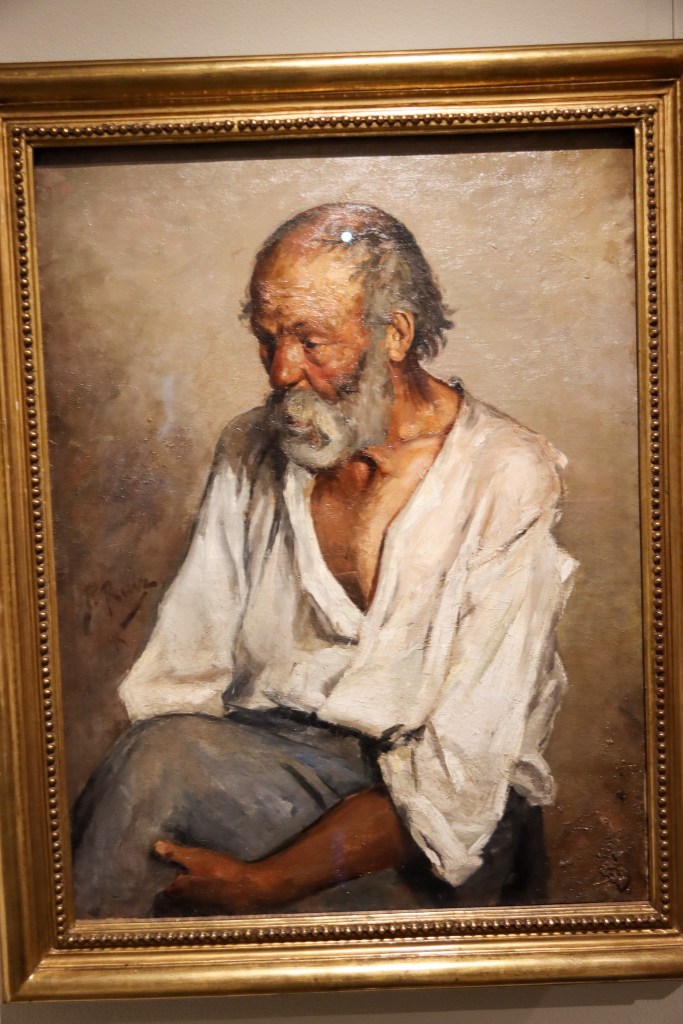
Old Fisherman by Pablo Picasso 1895 when he was 13.
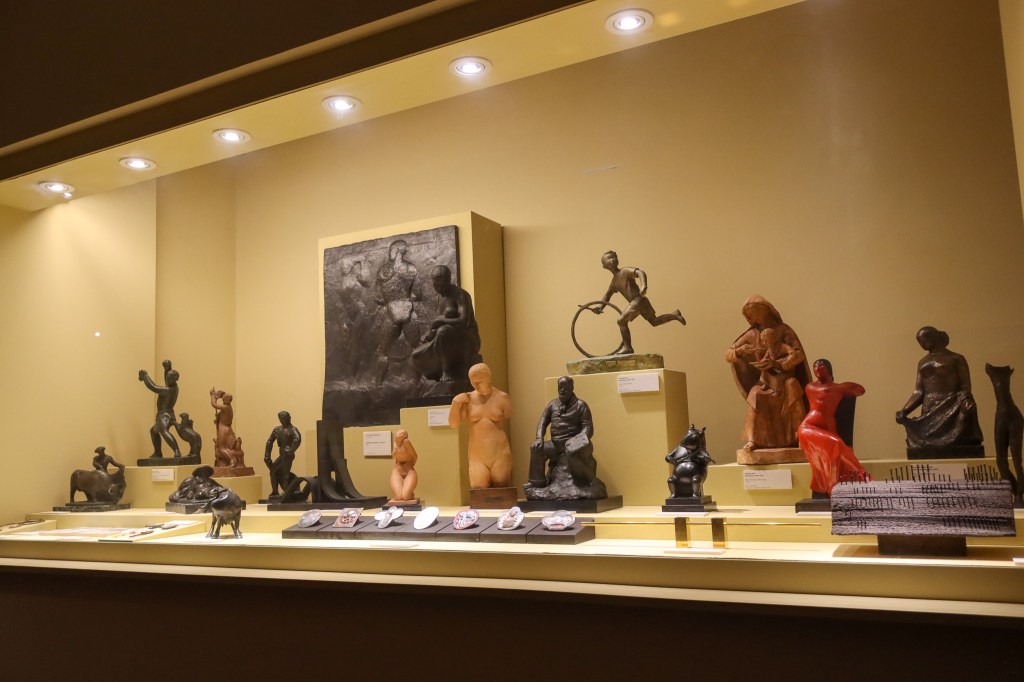
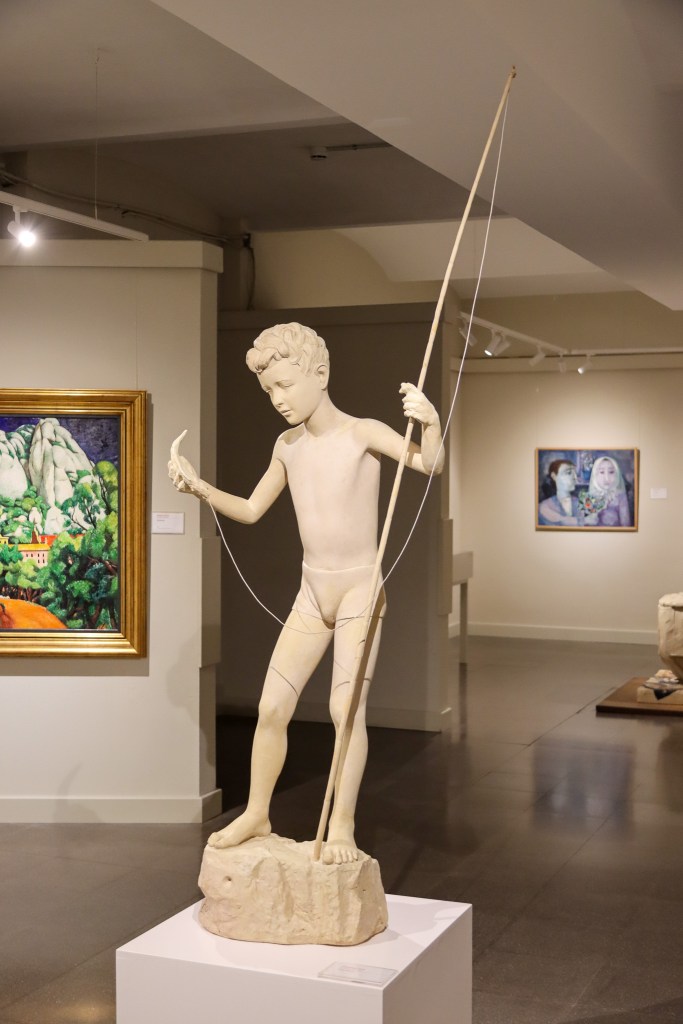
Costa Brava by Joaquim Ros, 1944.
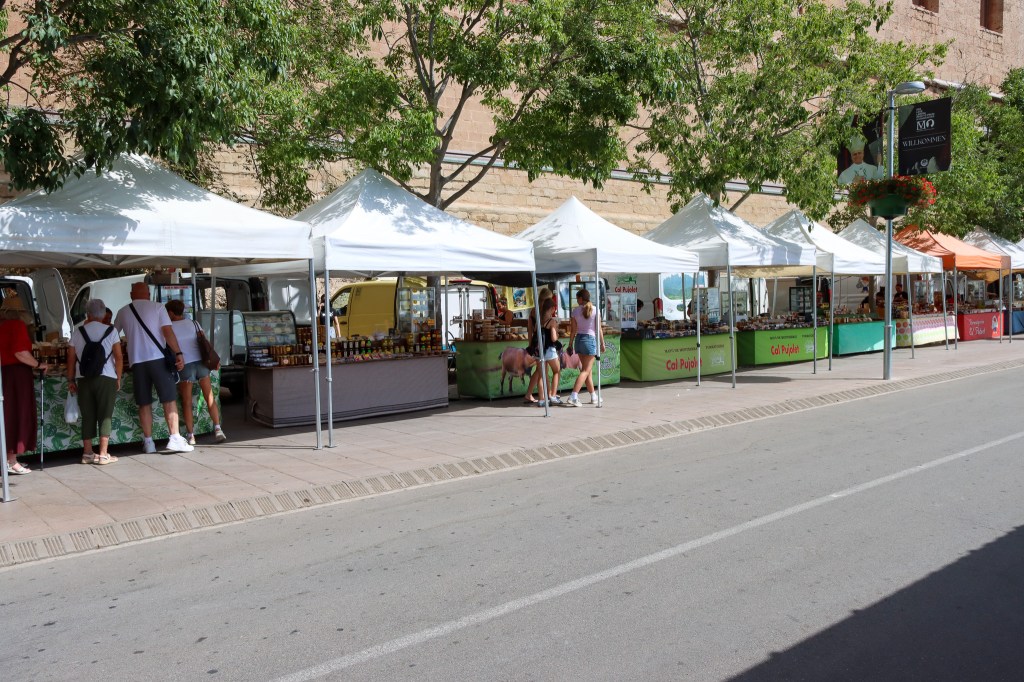
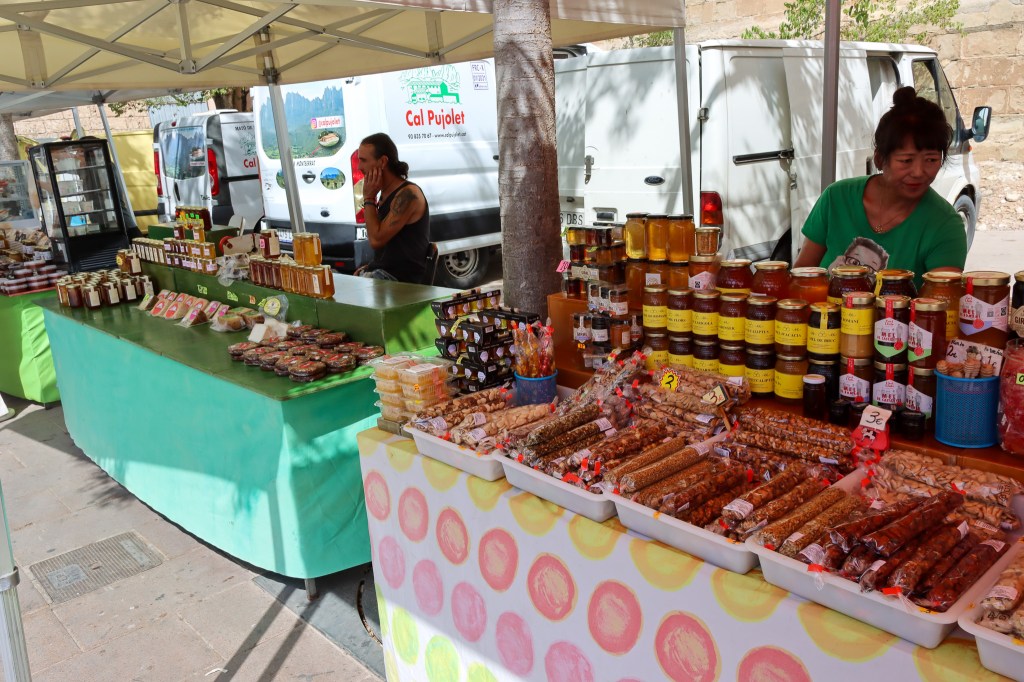
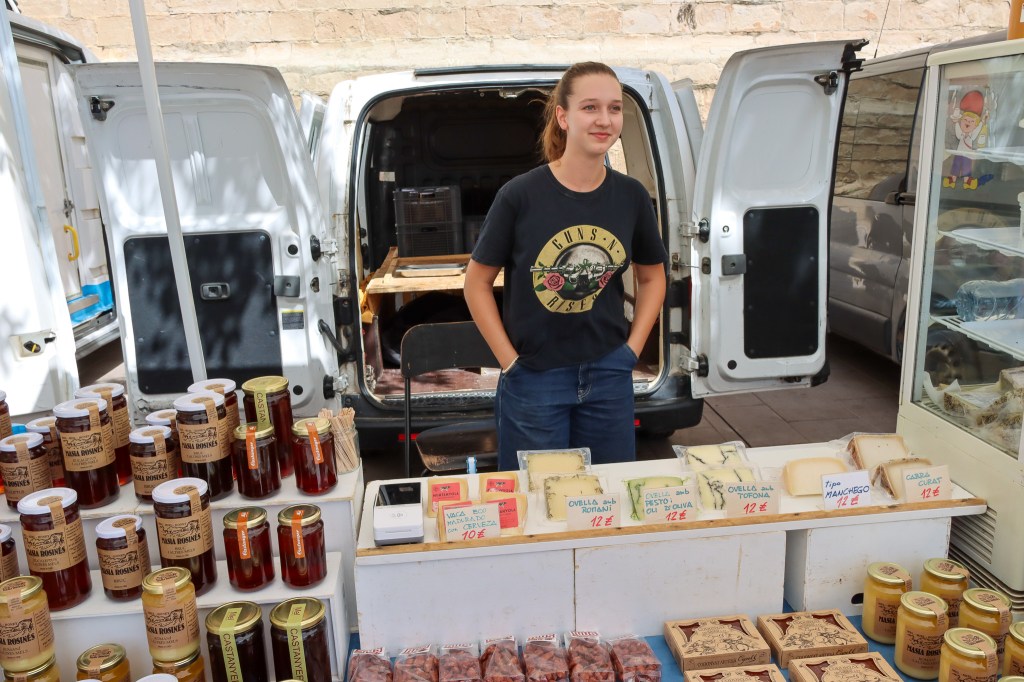
Some markets leading into the monastery. In the late 1800’s some local women started making Mato cheese from left over goats milk and selling it at Montserrat. They became a local institution with the stalls handed down through the family. The stalls can not be sold and will be forfeited if the family does not continue to operate them
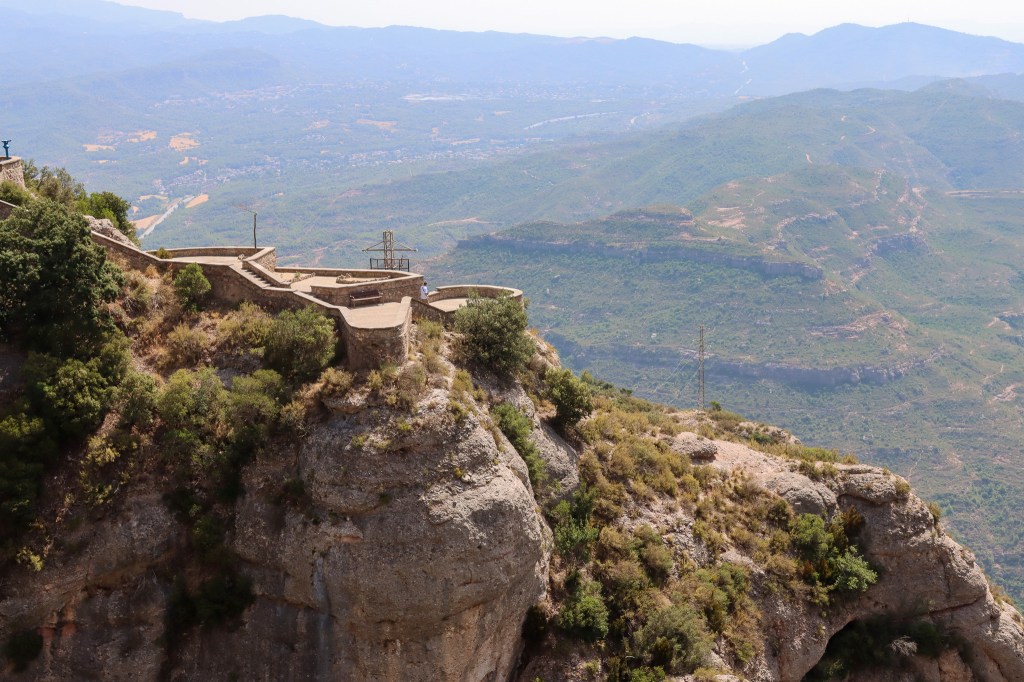
The smog or heat haze has been terrible since we entered Spain. It was a shame because the views on a clear day would be awesome.
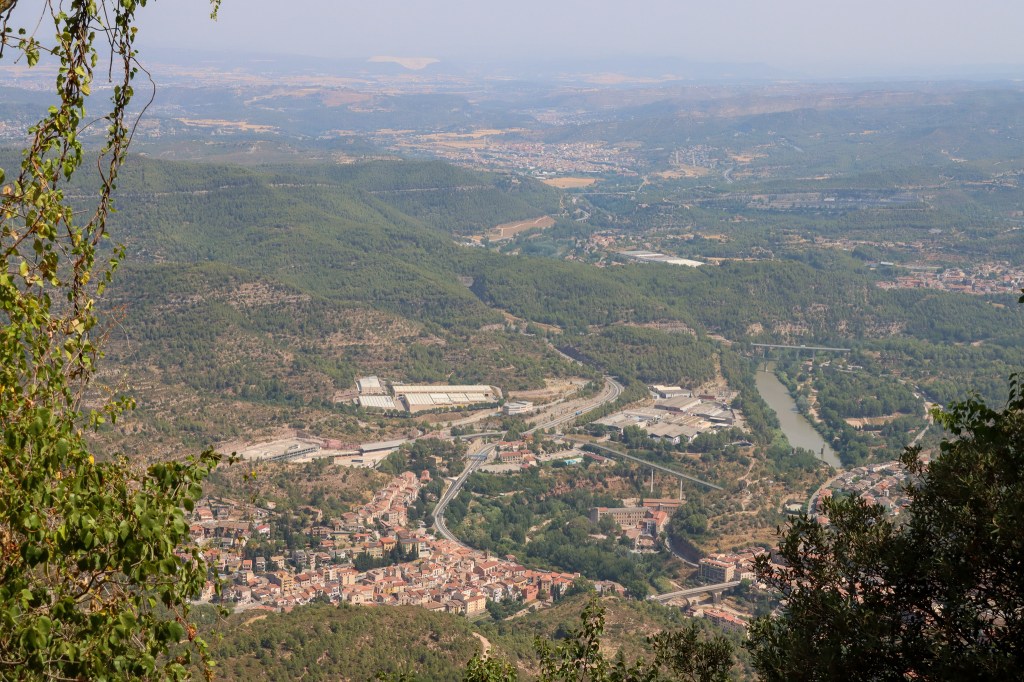
Leaving the monastery it was a 40 minute drive to the southern outskirts of Barcelona where we found Colonia Guell.
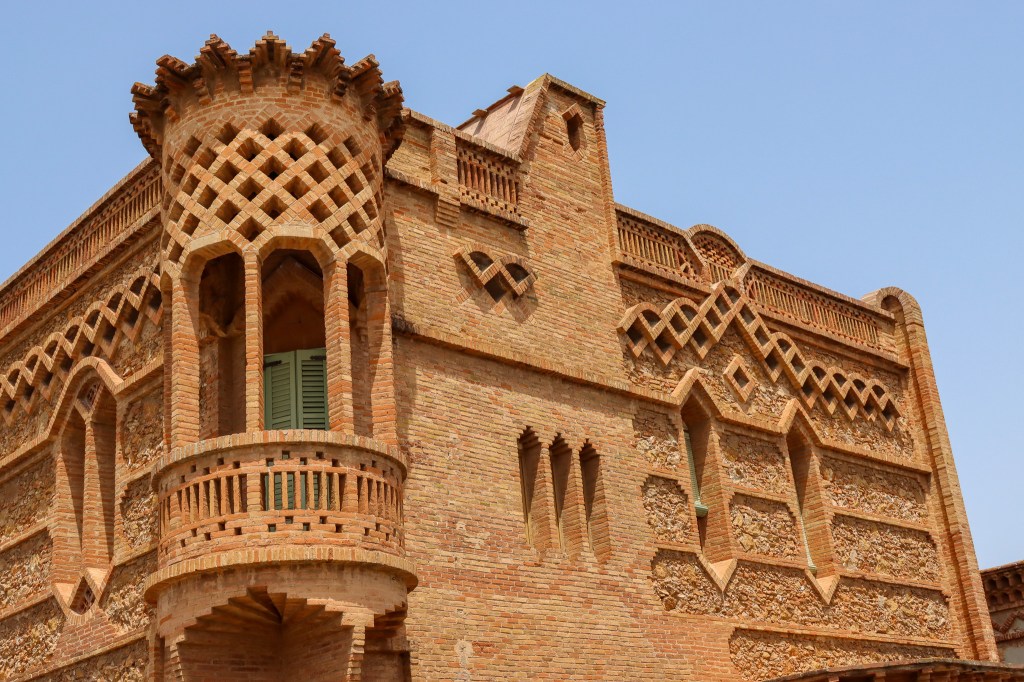
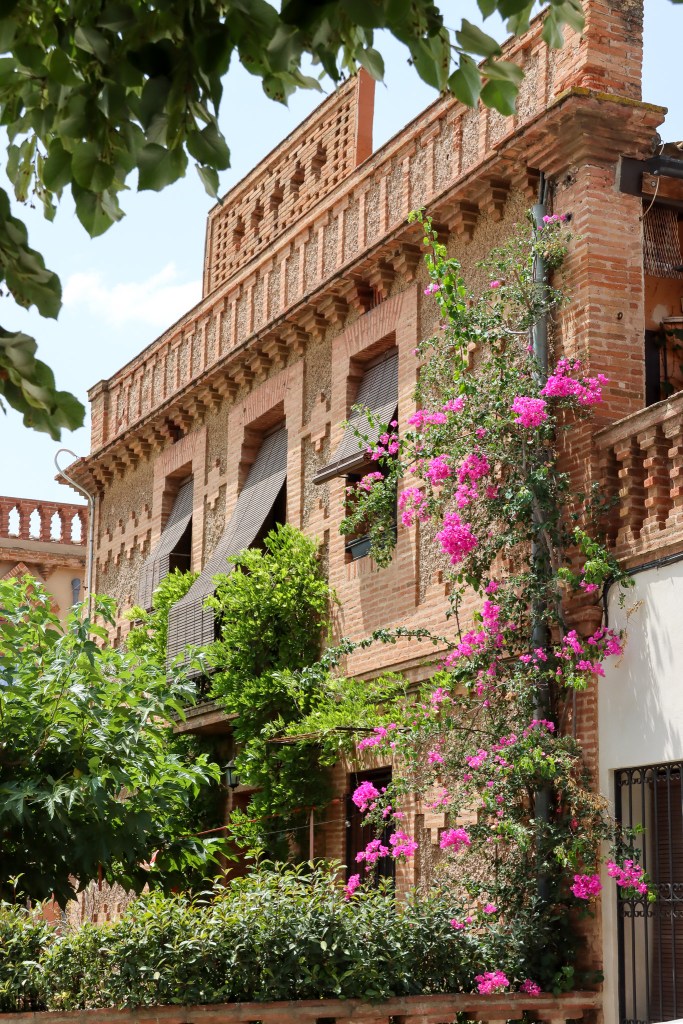
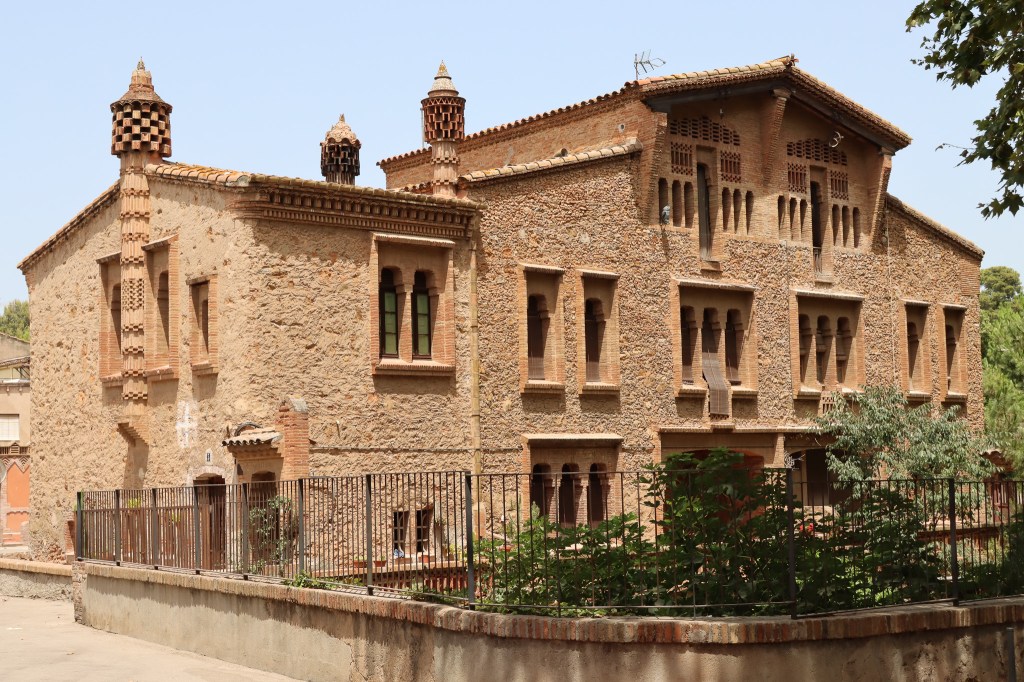
In 1890 Eusebi Guell founded the Guell Colony where he took the textile industry he had in Barcelona to get away from the social conflicts of the city. In doing so he used the latest technology of the time in setting up a corduroy and velvet manufacturing plant while building a village and community for his well paid workers.
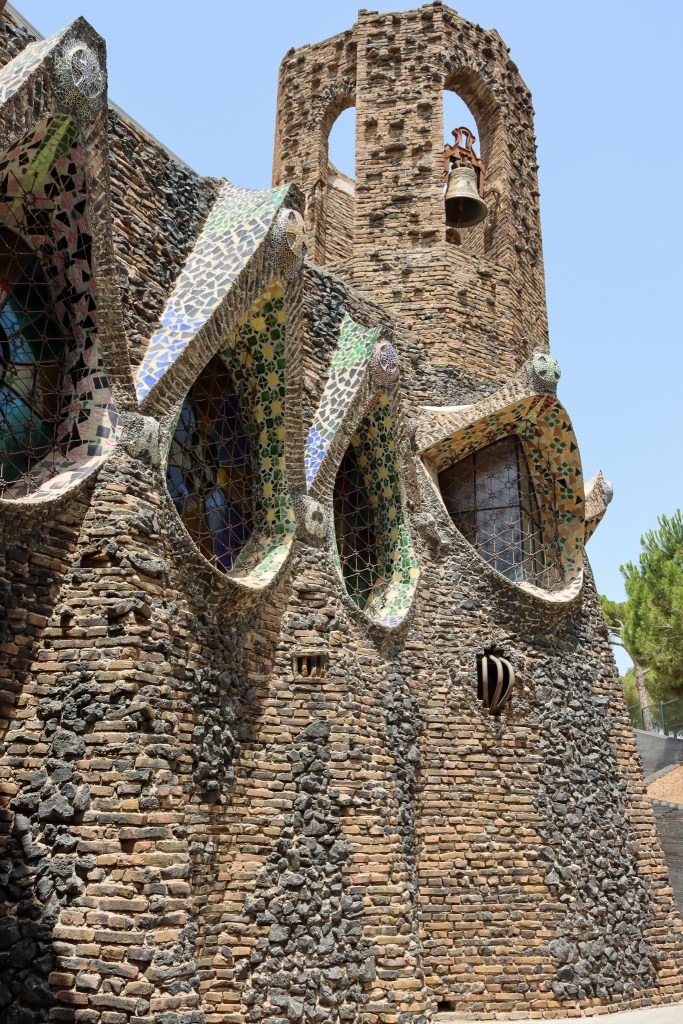
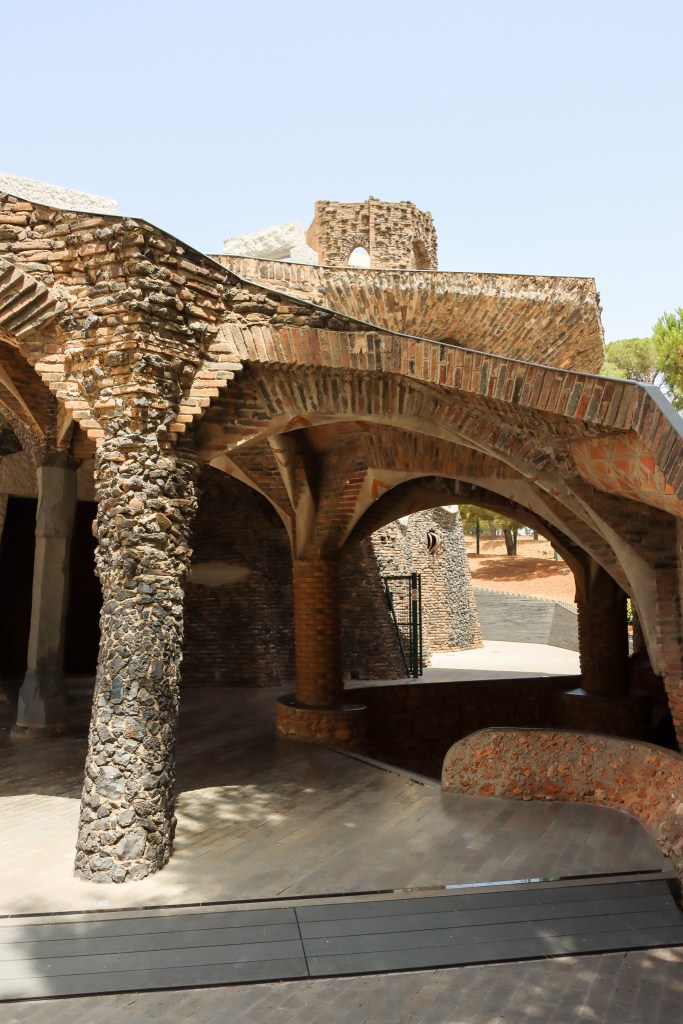
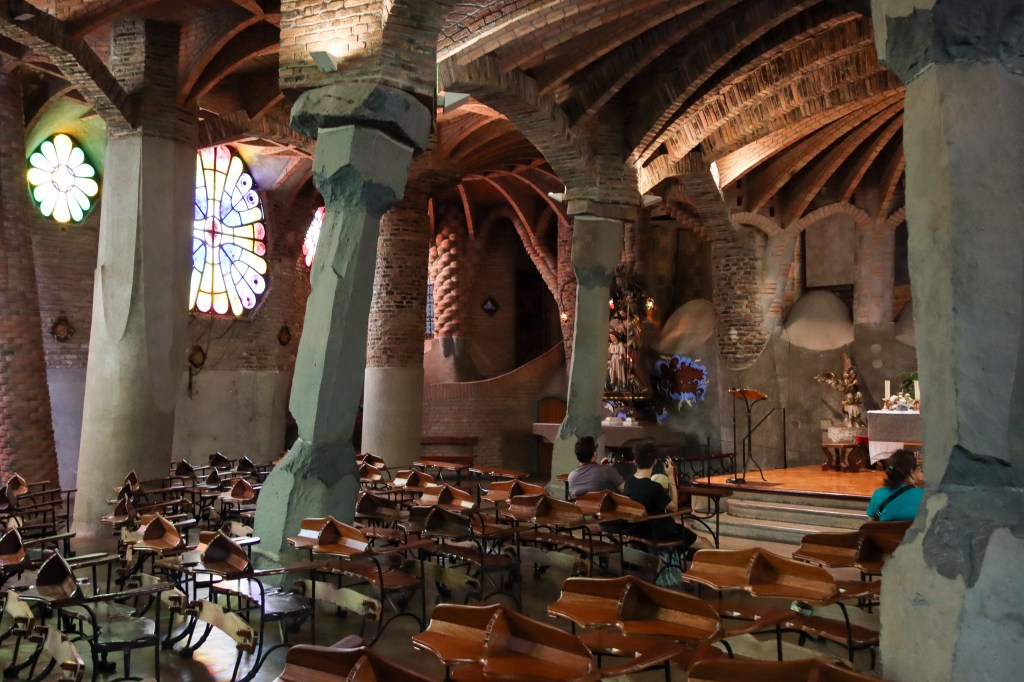
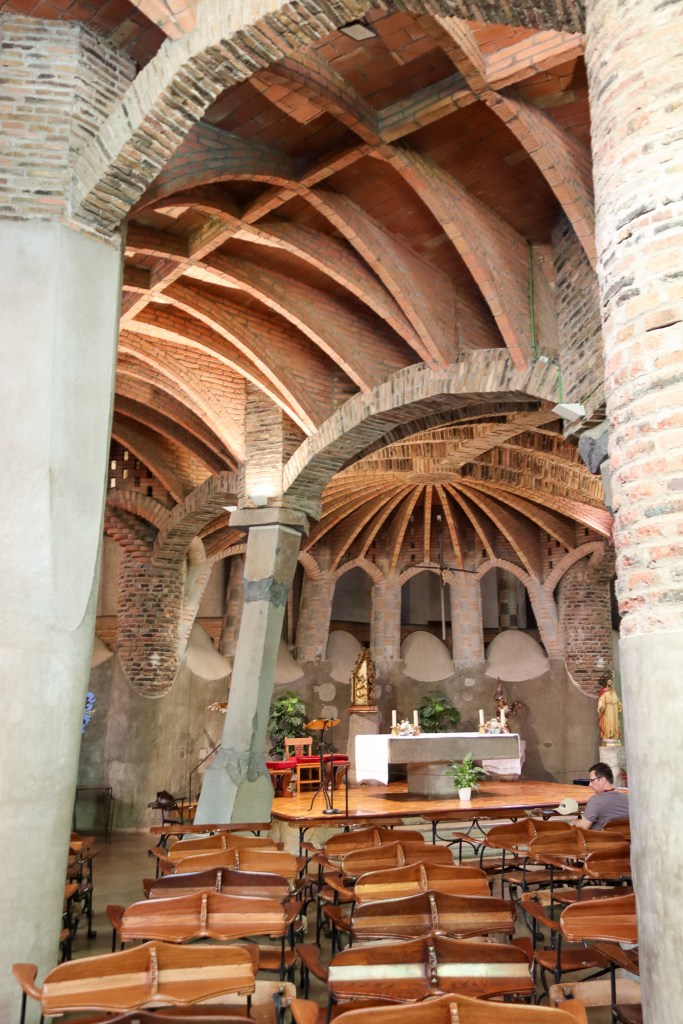
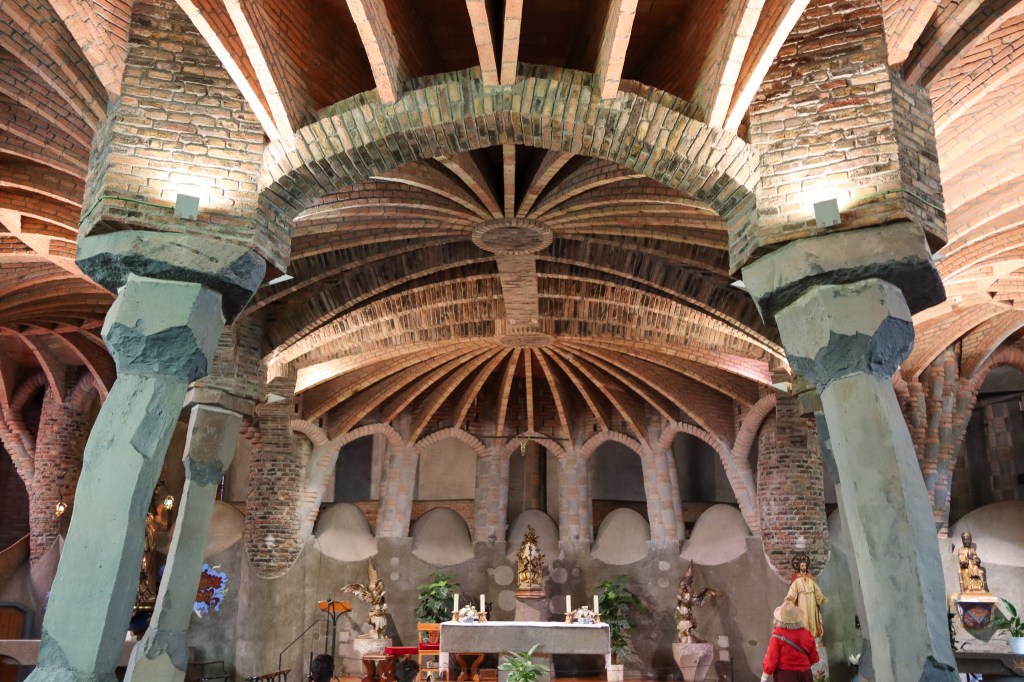
These included a school, doctor, theatre and church as well as architect designed housing. One of the architects employed was Antoni Gaudi. Much of Gaudi’s influence can be seen in the town but particularly in the church.
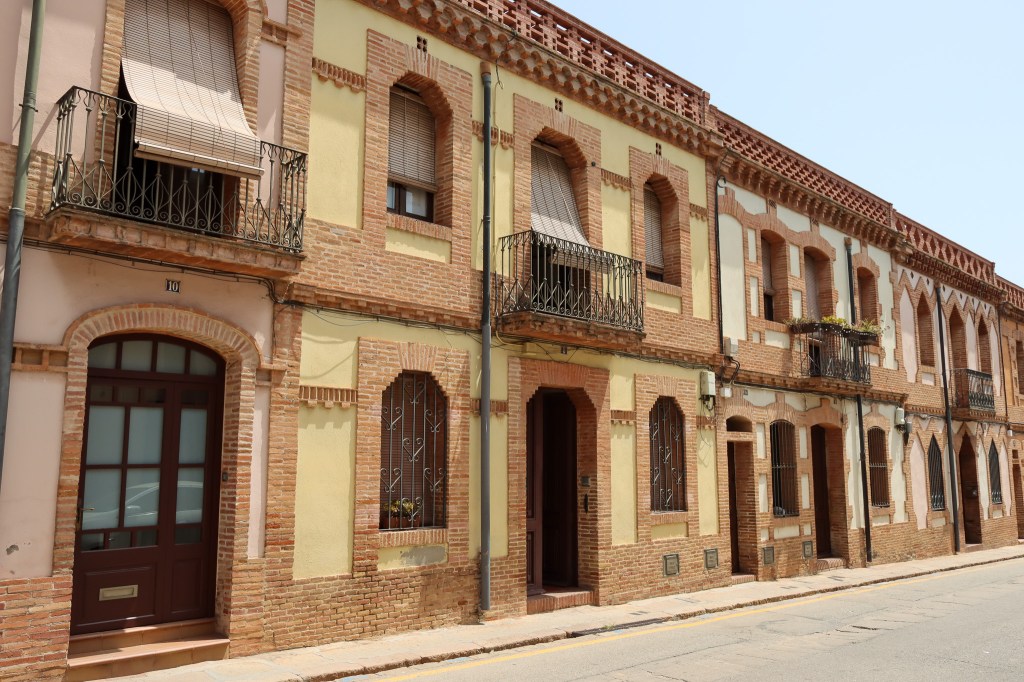
Workers housing.
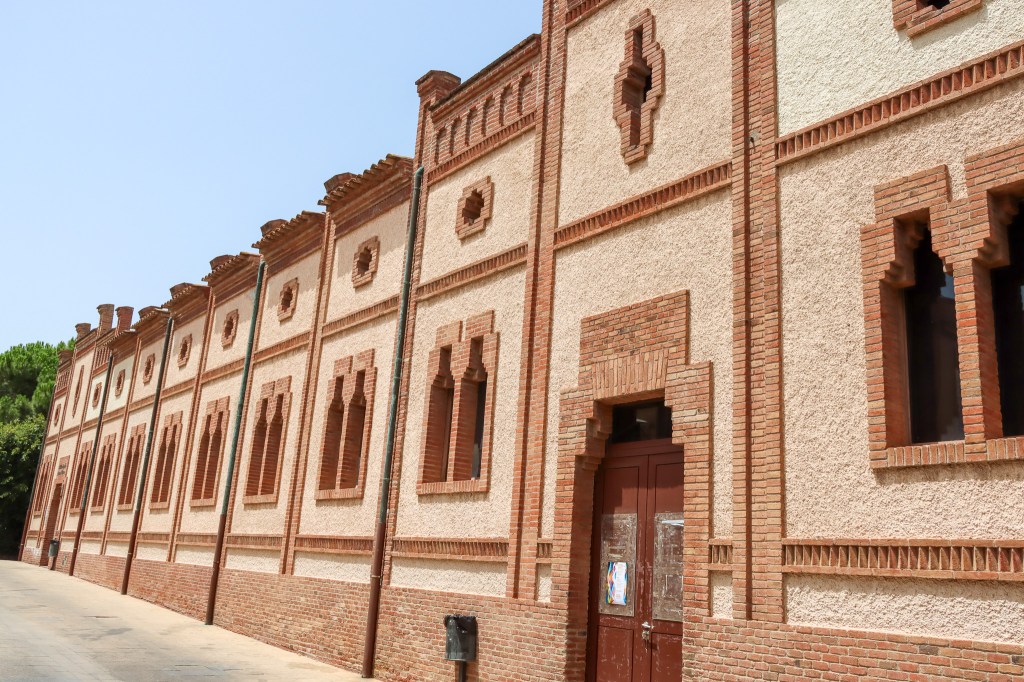
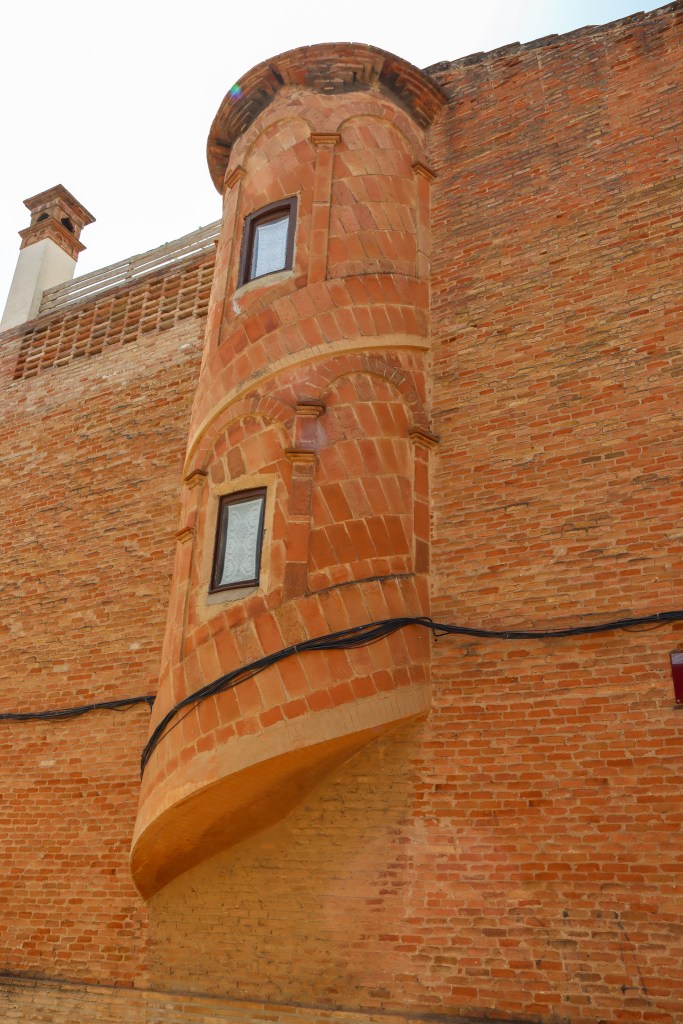
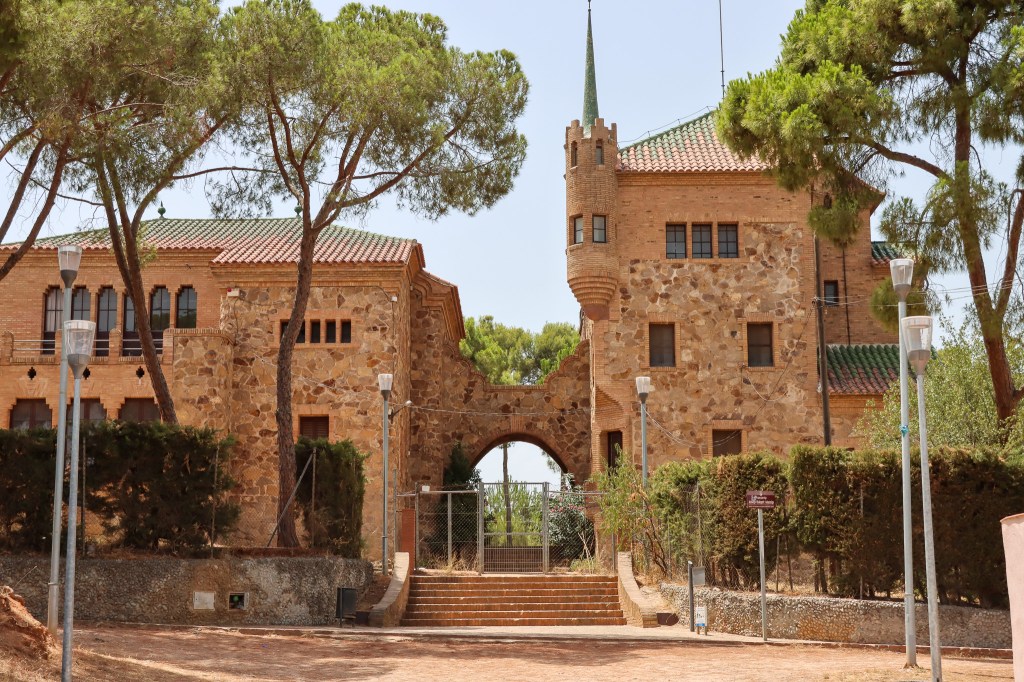
School and Teachers residence.
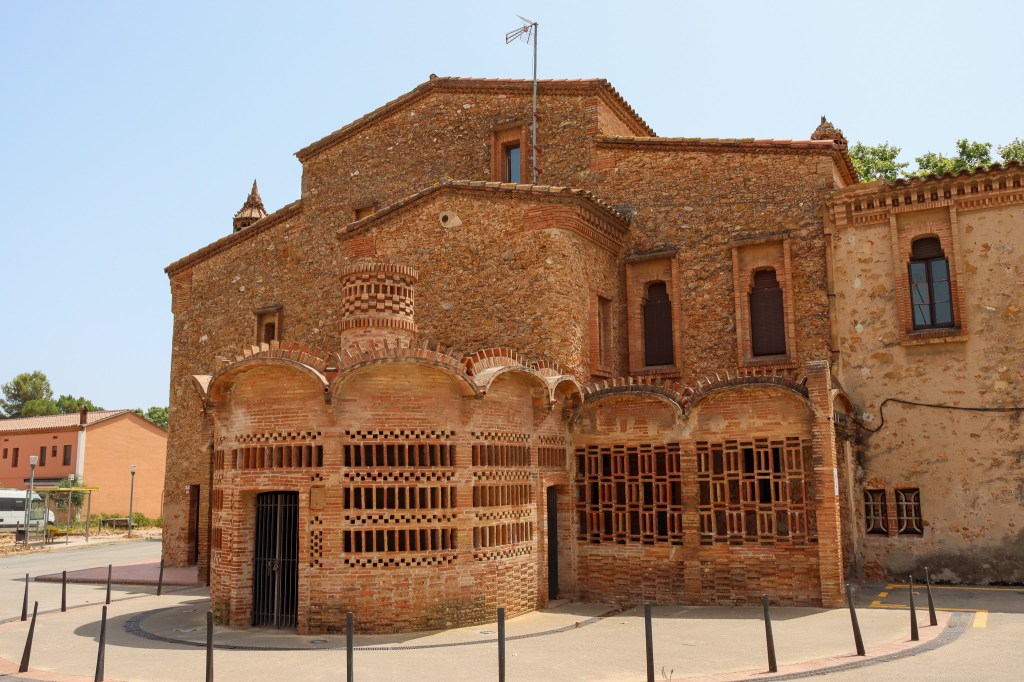
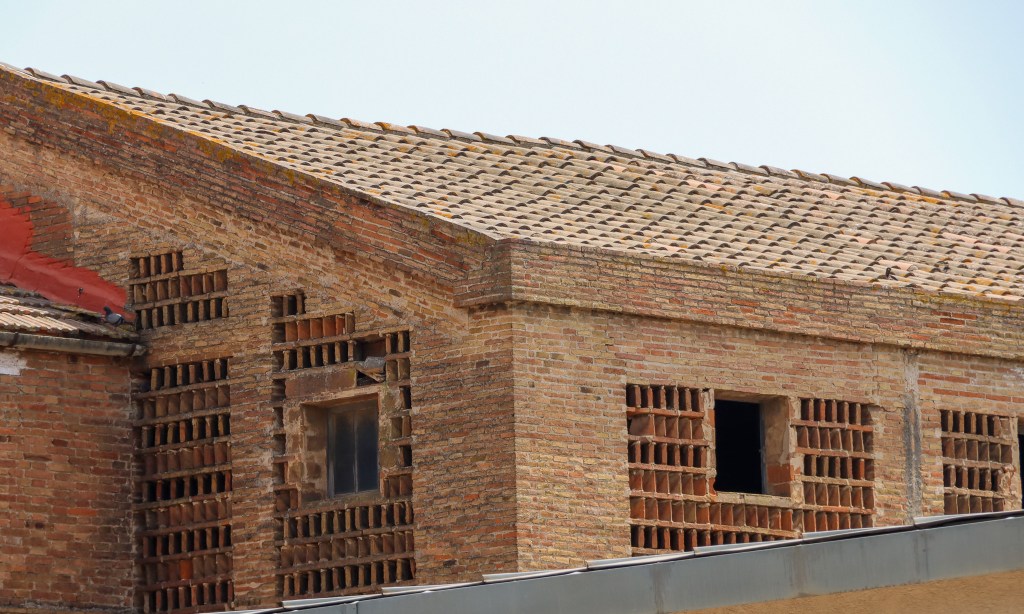
Factory drying room with specially designed ventilation bricks.
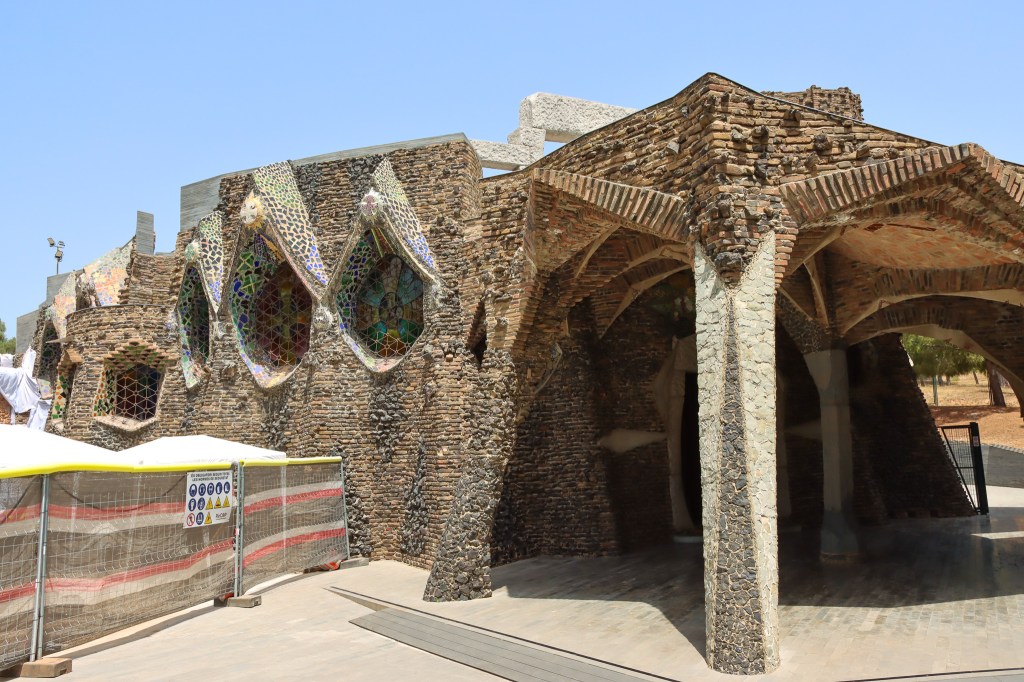
The Gaudi church.
We are spending a very hot night it Sitges, just south of Barcelona. Tomorrow we venture into the big city for some big exploring.
David & Collette
 The Travelling Watson's