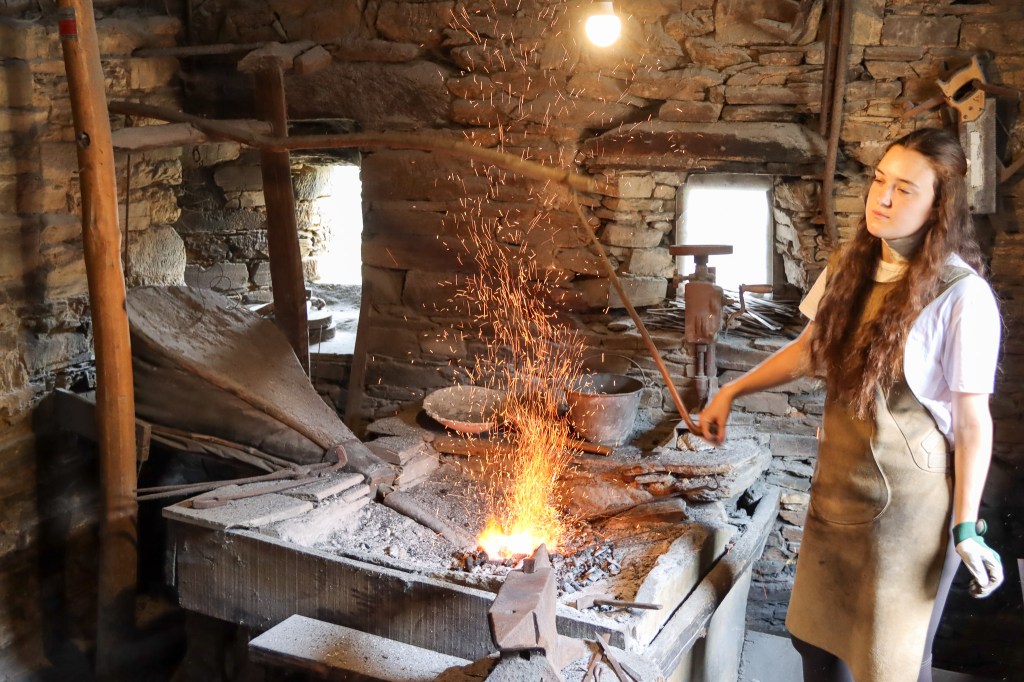
Knife making demonstration, the old way.
We set off this morning for the town of Taramundi, about 35 km inland. We had read of a Cutlery Museum and a Milling Museum in this town so it sounded like a worthwhile drive. Turned out to be a very interesting day.
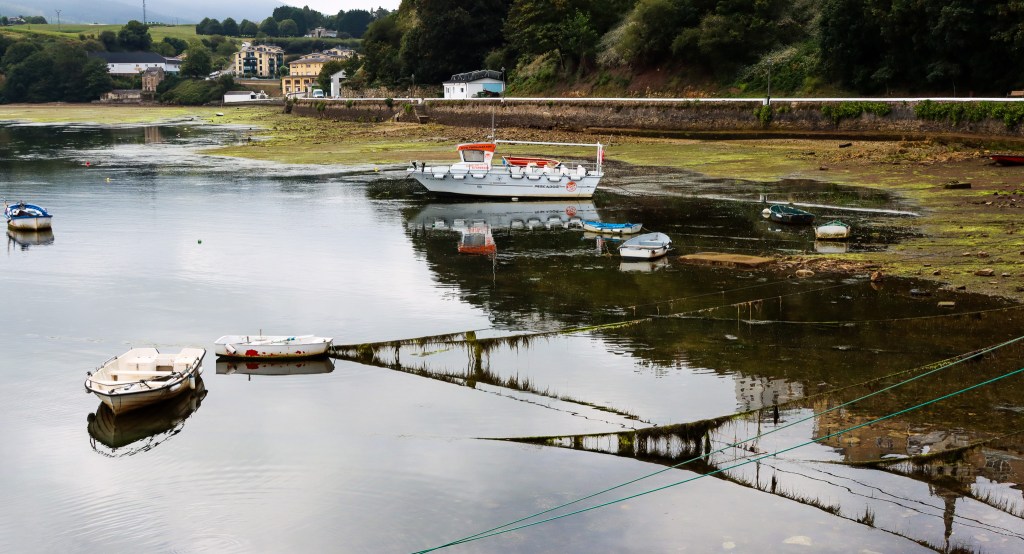
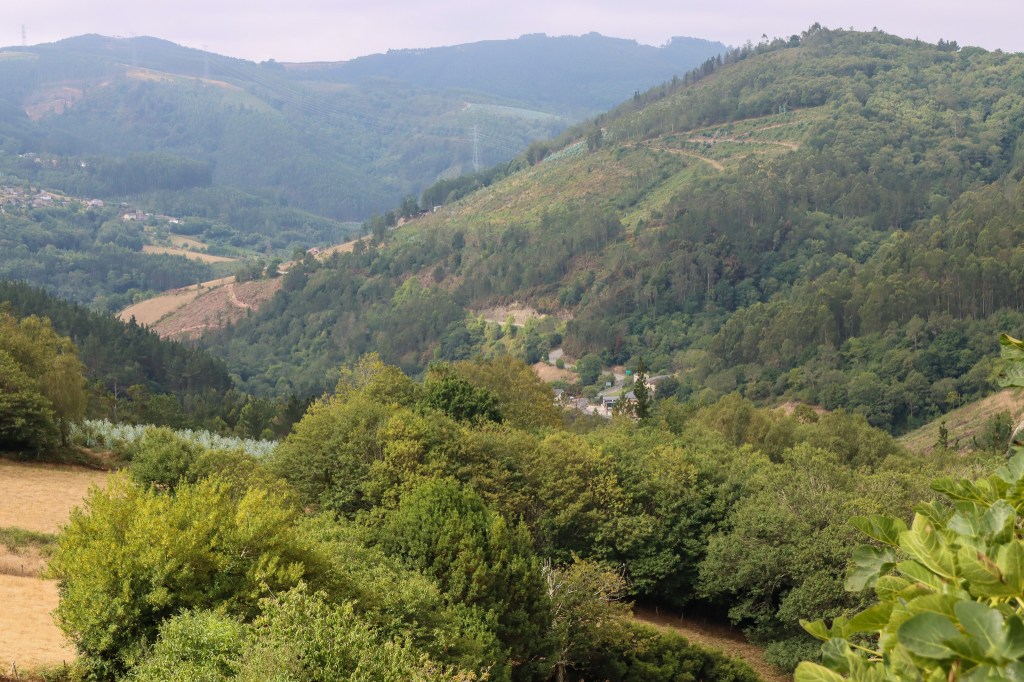
Inland meant up. The 35 km wound through mountains and valleys and took us 75 minutes. We drove through numerous small towns perched on a cliff side and Taramundi was no exception. It was a picturesque drive with crops growing on all crazy slopes.
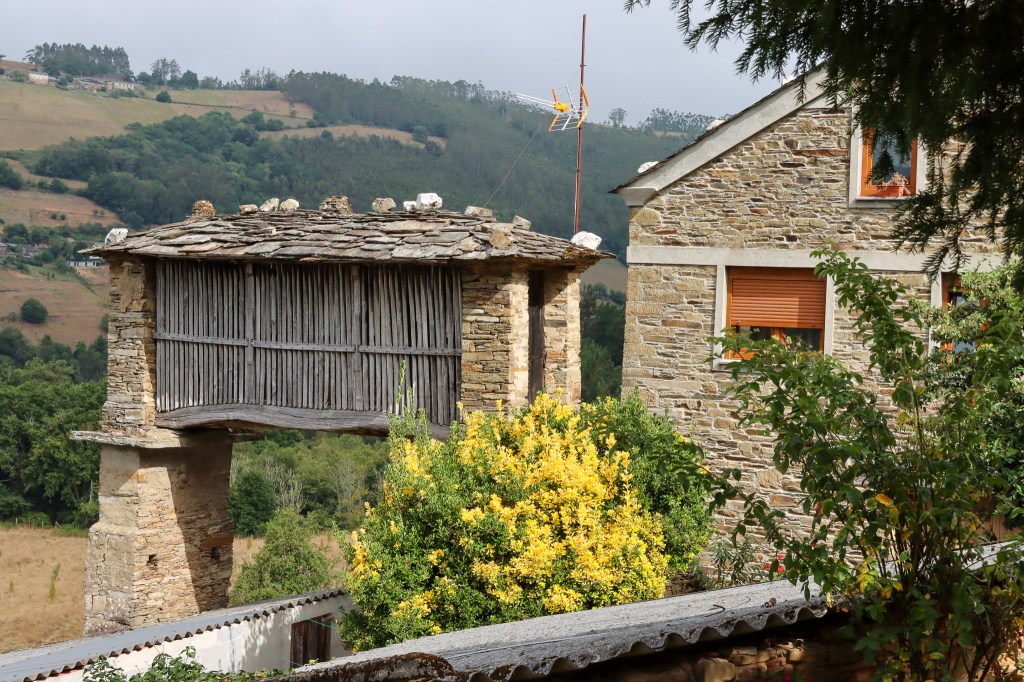
These drying huts are very common here.
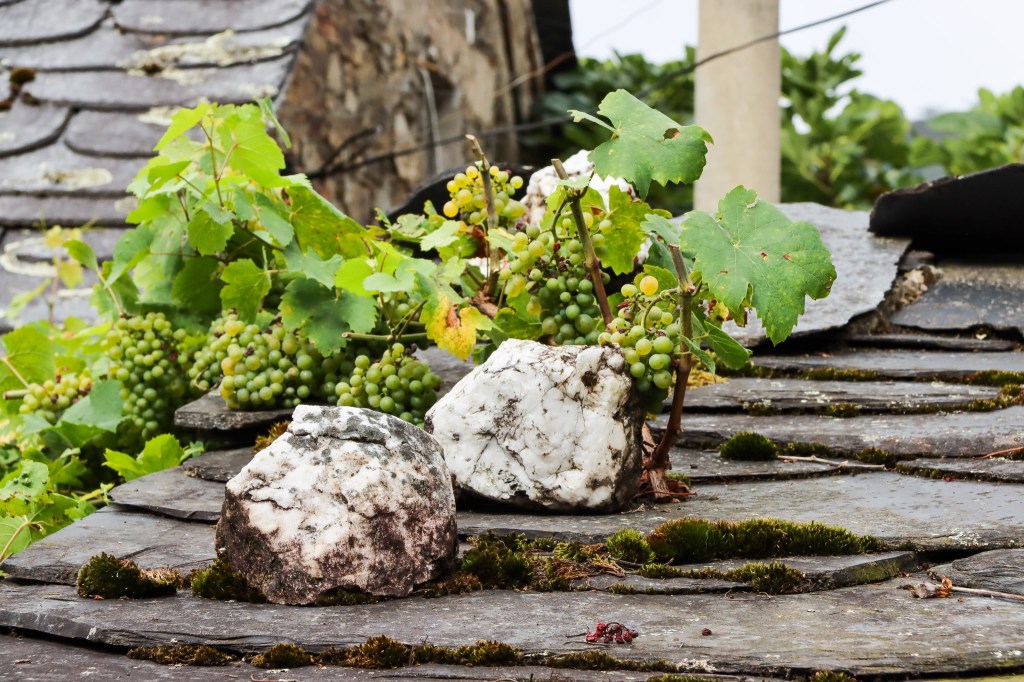
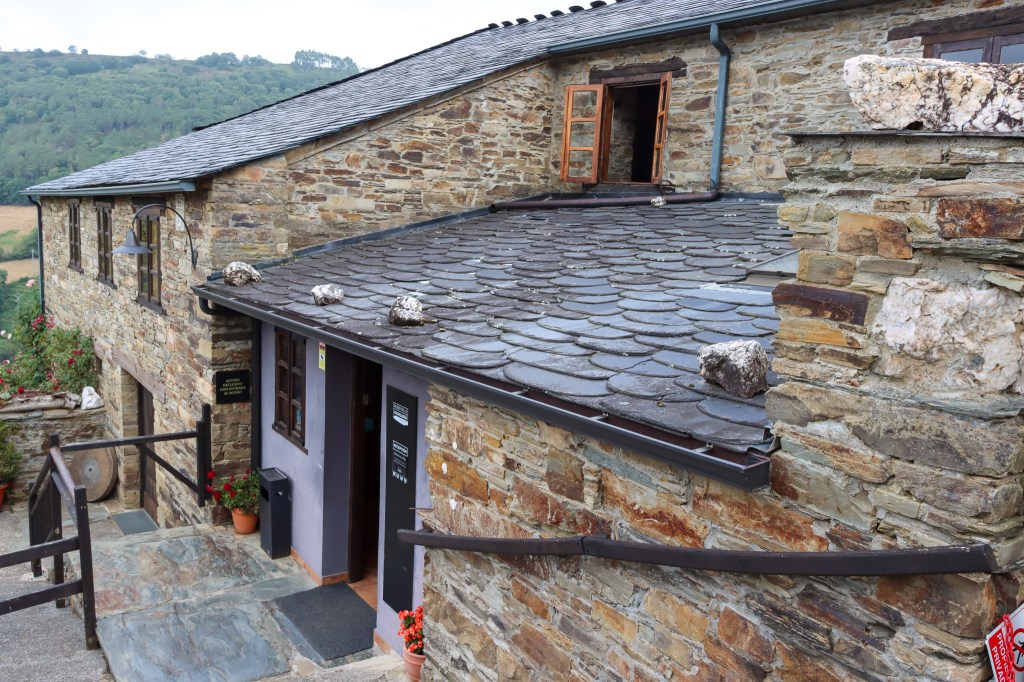
The Cutlery Museum.
After some amazingly narrow and winding hill climbs we finally came to a group of about 6 houses high on the side of a hill. Some nifty parking moves with the motorhome were required and we set off to find the museum. The Cuttlery Museum turned out to be a centuries old knife maker family, still working and selling in the original premises, but now expanded to be tourist showpiece.
Most of the museum is centred on the history and old methods of knife production but they also showcase their current work. Naturally we left with a few sharp reminders of our visit.
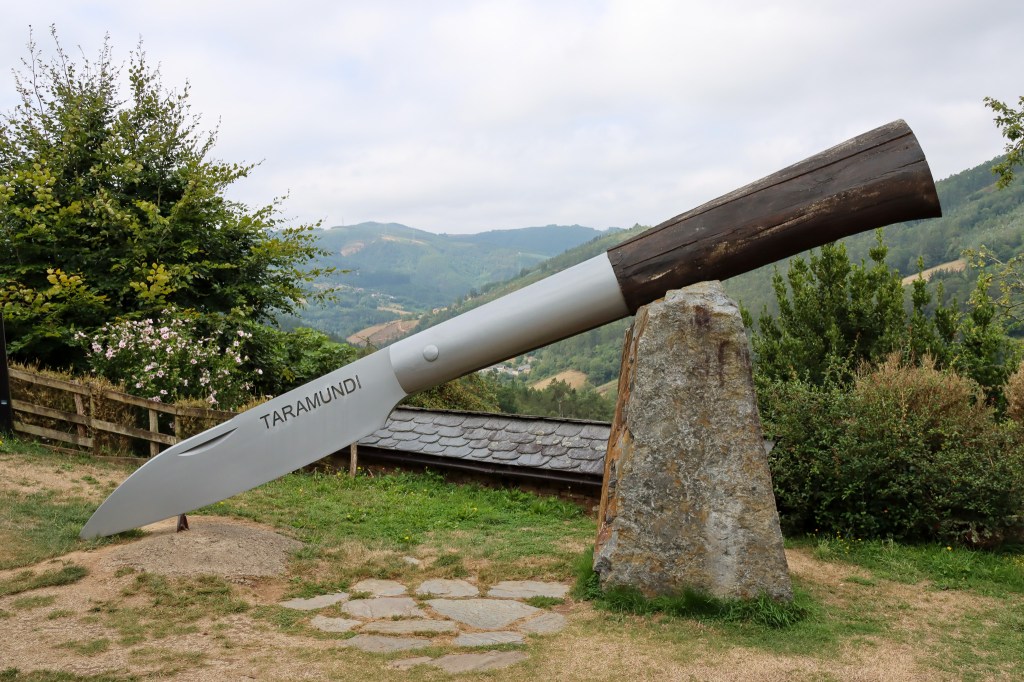
The Big Knife.

Two tradesmen were working in this much more modern set of workshops.
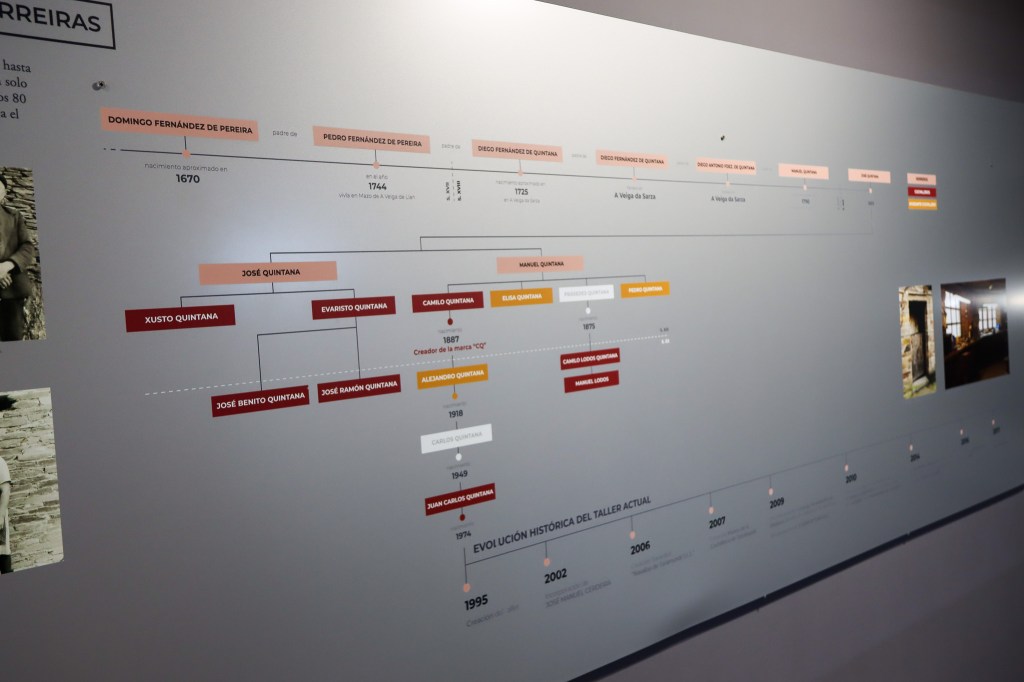
The knife making family tree dating back to 1670.
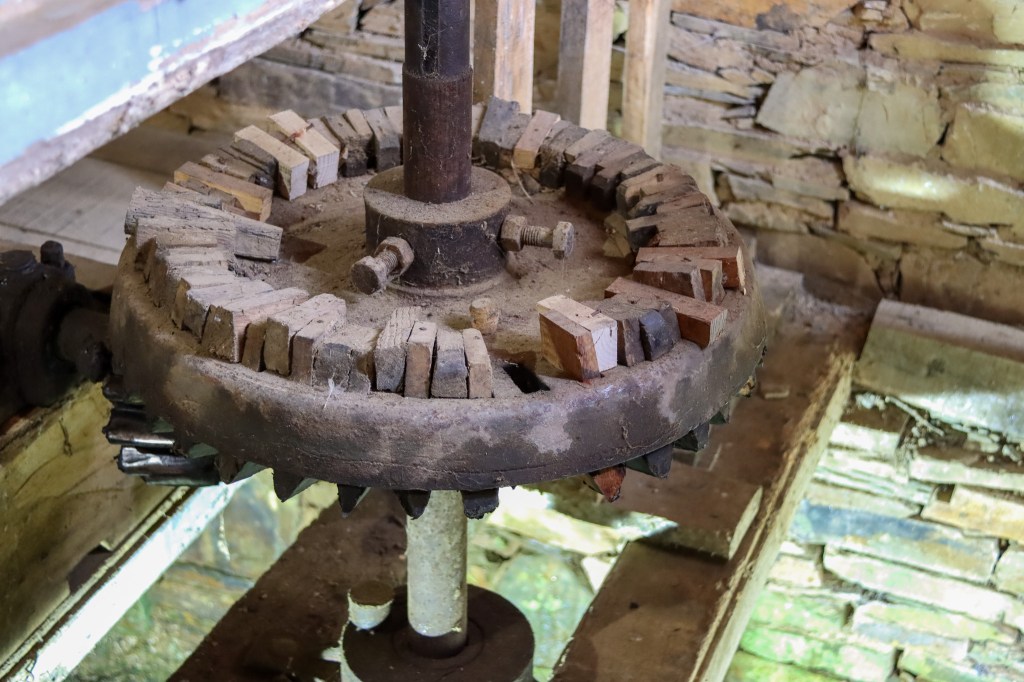
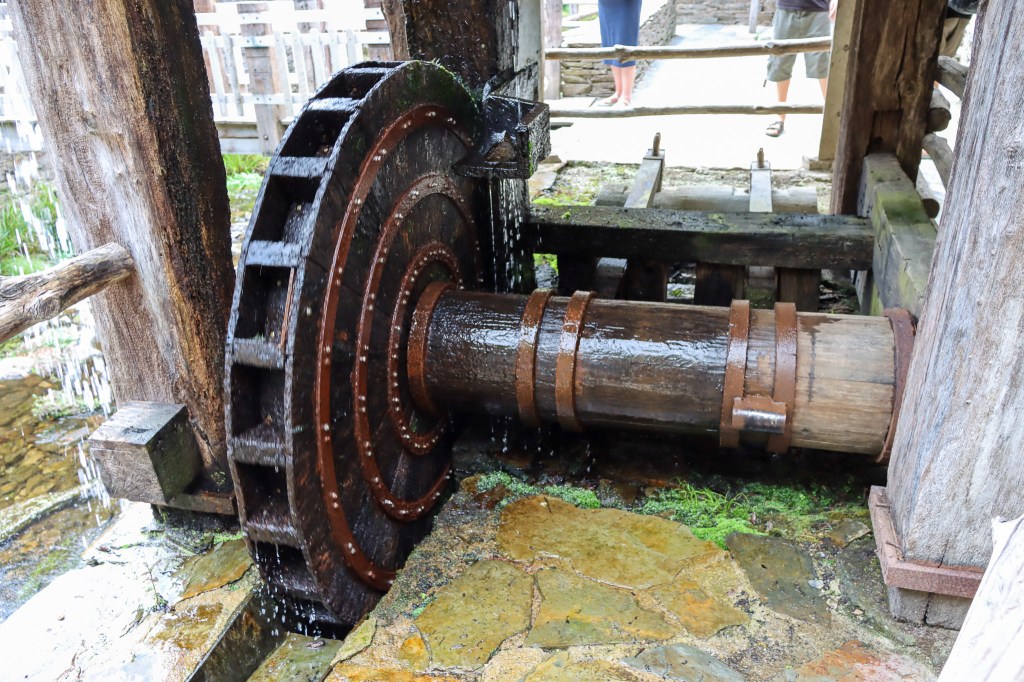
Part of the water generated power system. Nothing was in English and no one spoke English so we could only look and wonder and guess.

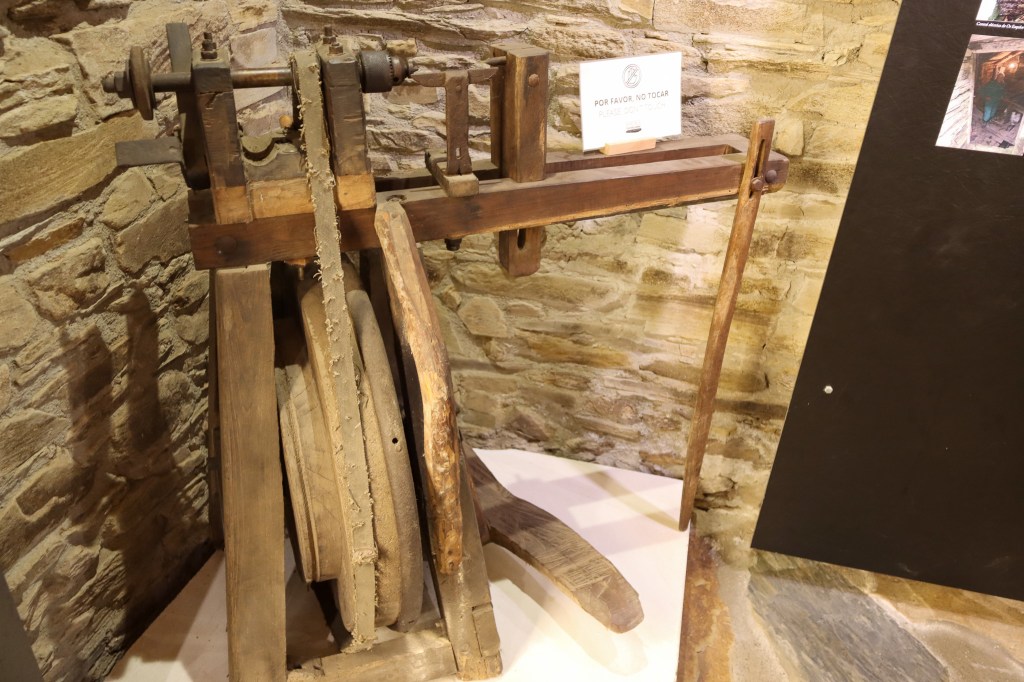
Old workshop with machinery driven by water power.
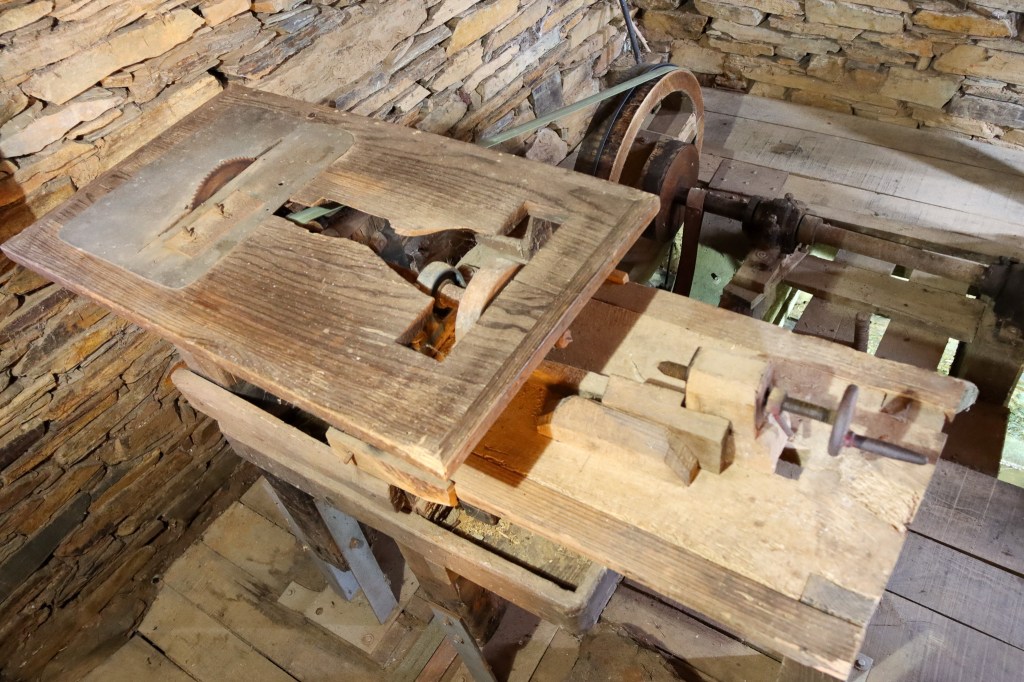
An interesting tool bench with circular saw, leather polishing wheel, grinding wheel and wood lathe combined on the one bench.
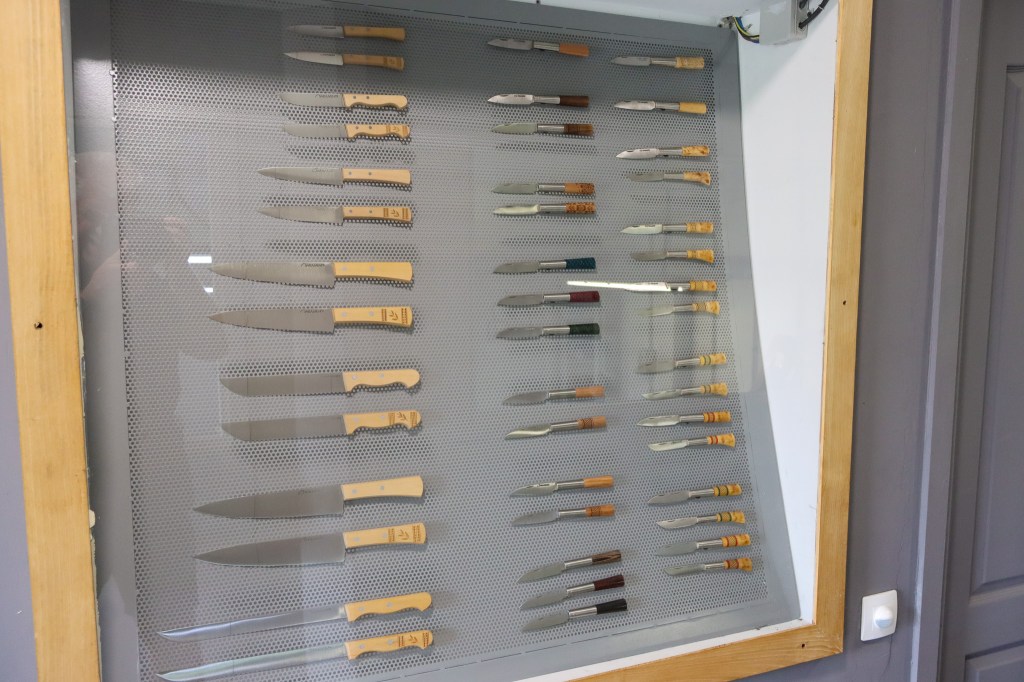
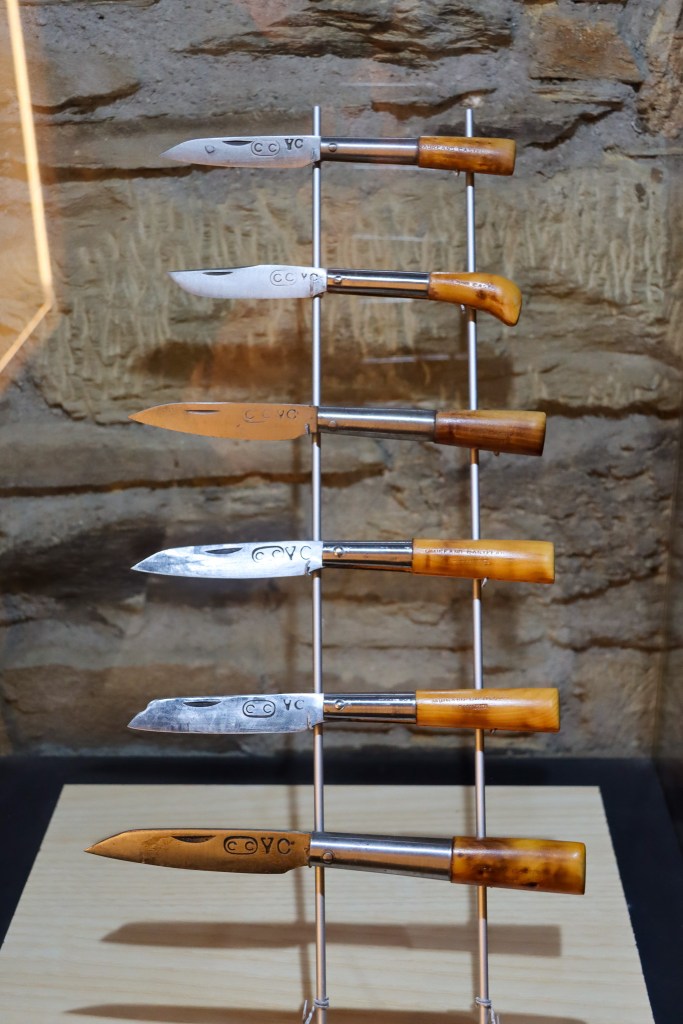
Some of the knives currently produced.
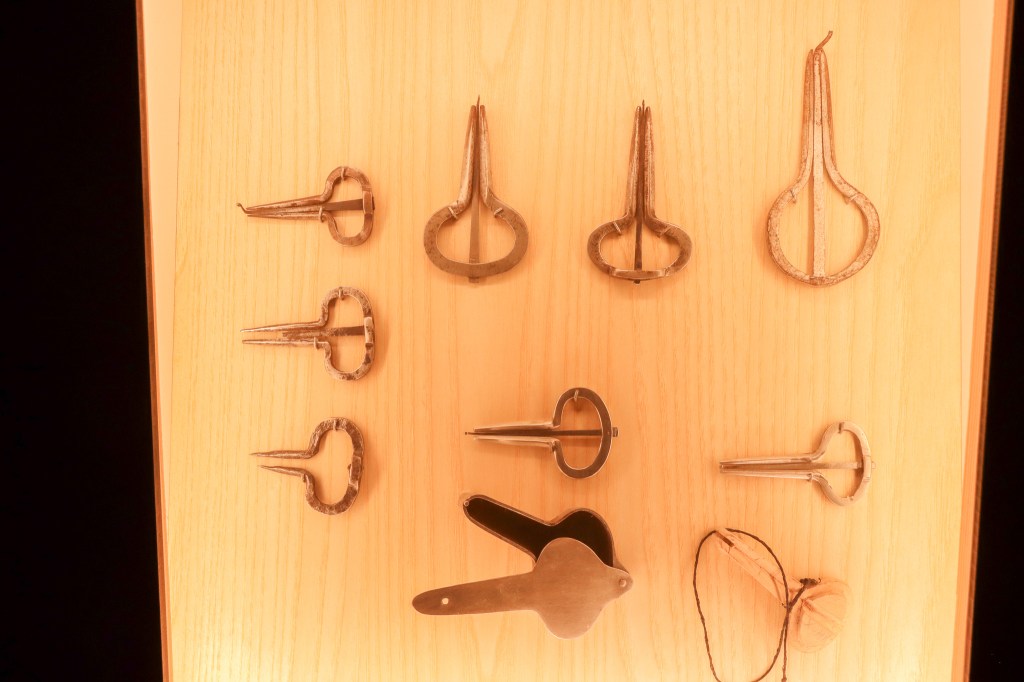
These are all metal musical instruments they call horns. There is a video of one being played but as almost the entire thing goes in the mouth, it is impossible to explain.
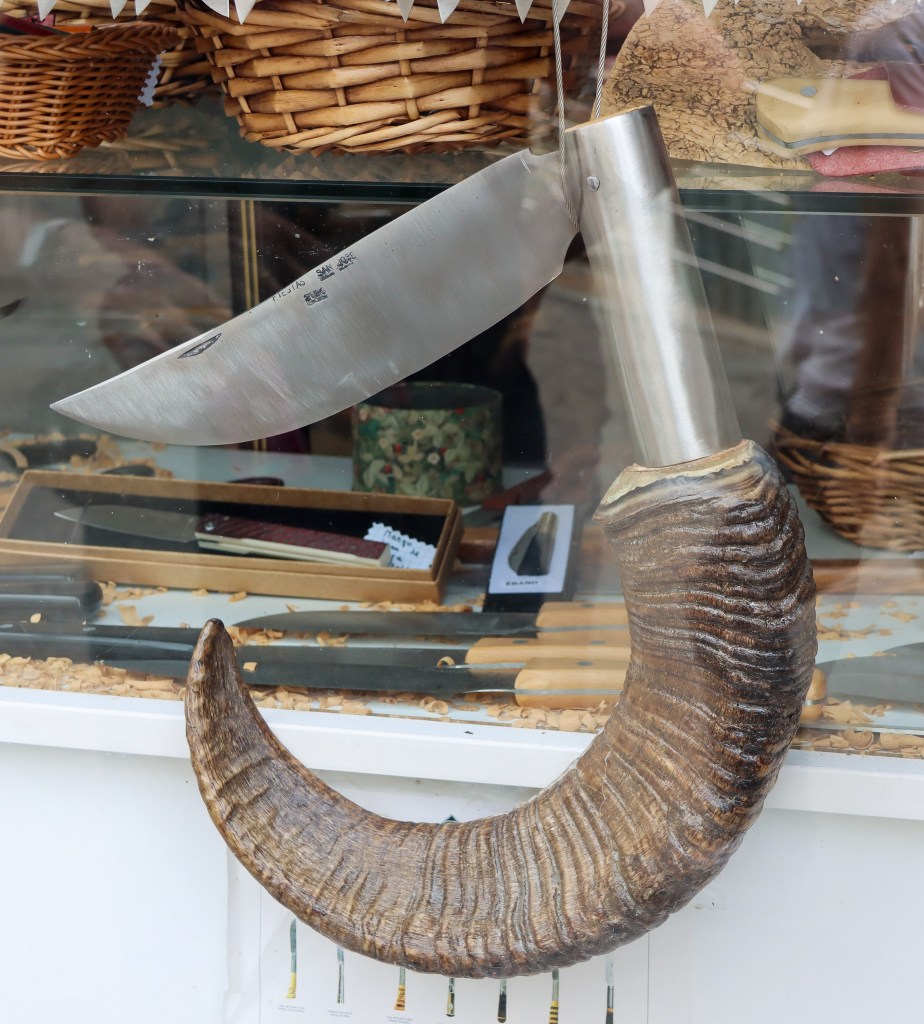
Now THATS a knife !!!
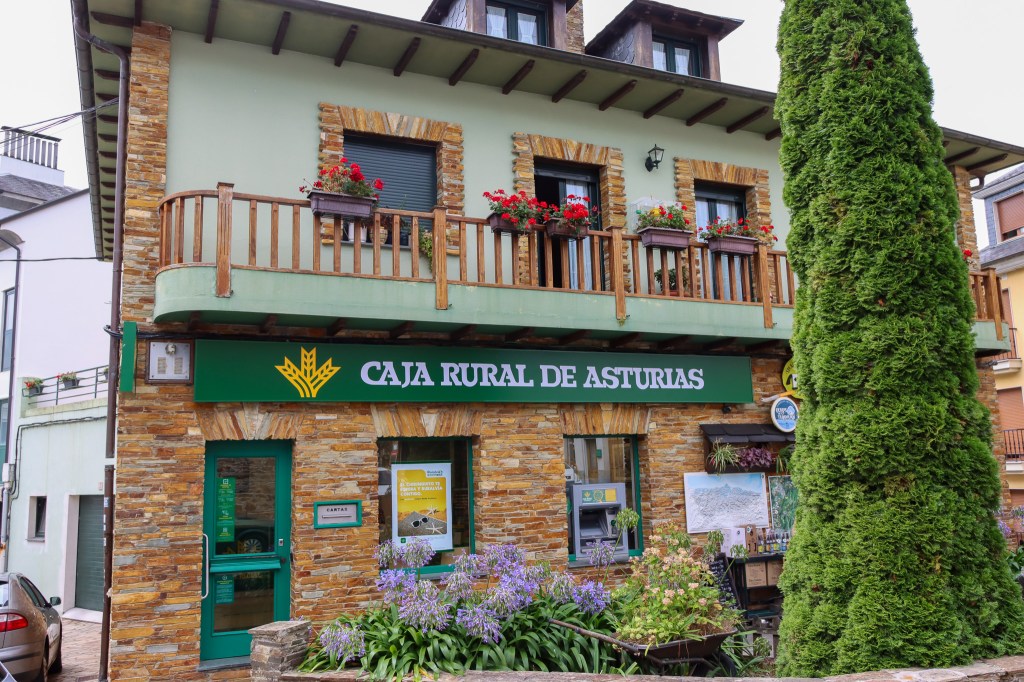
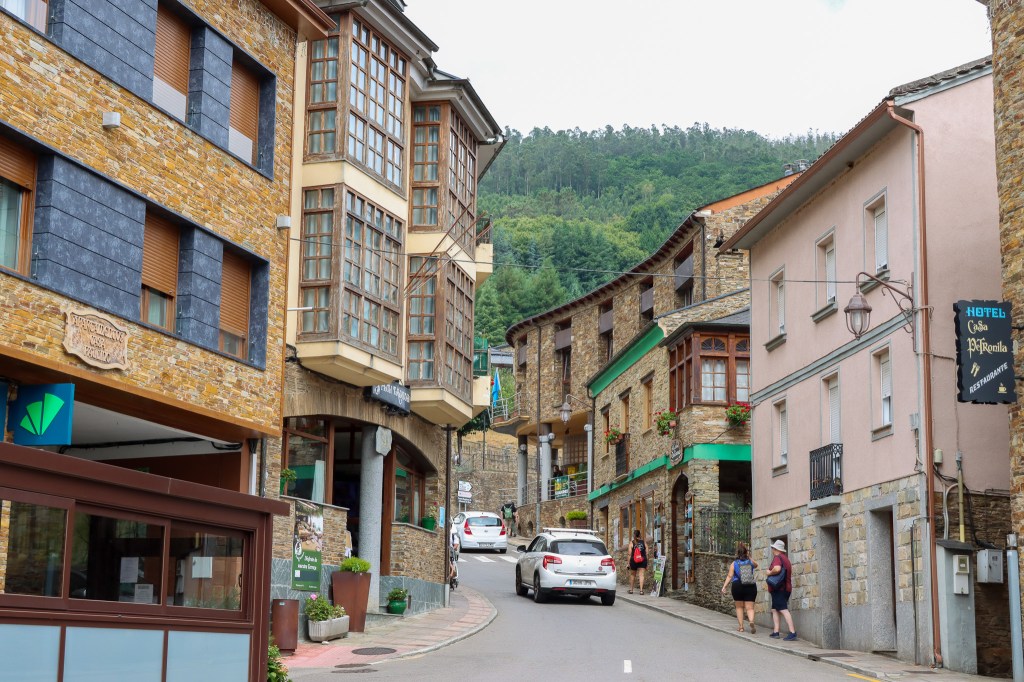
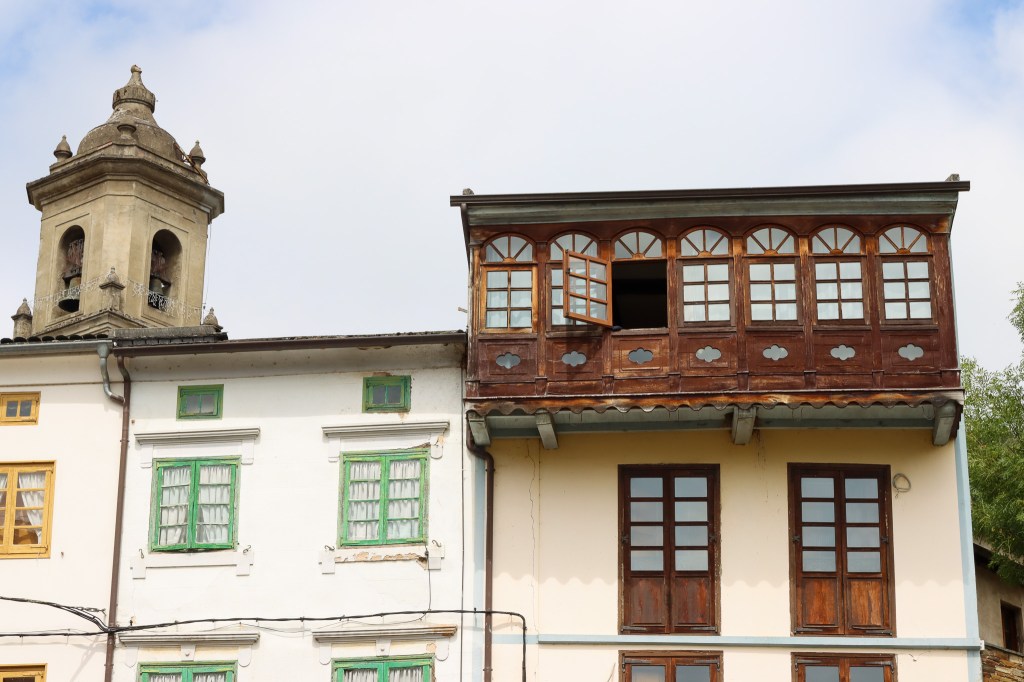
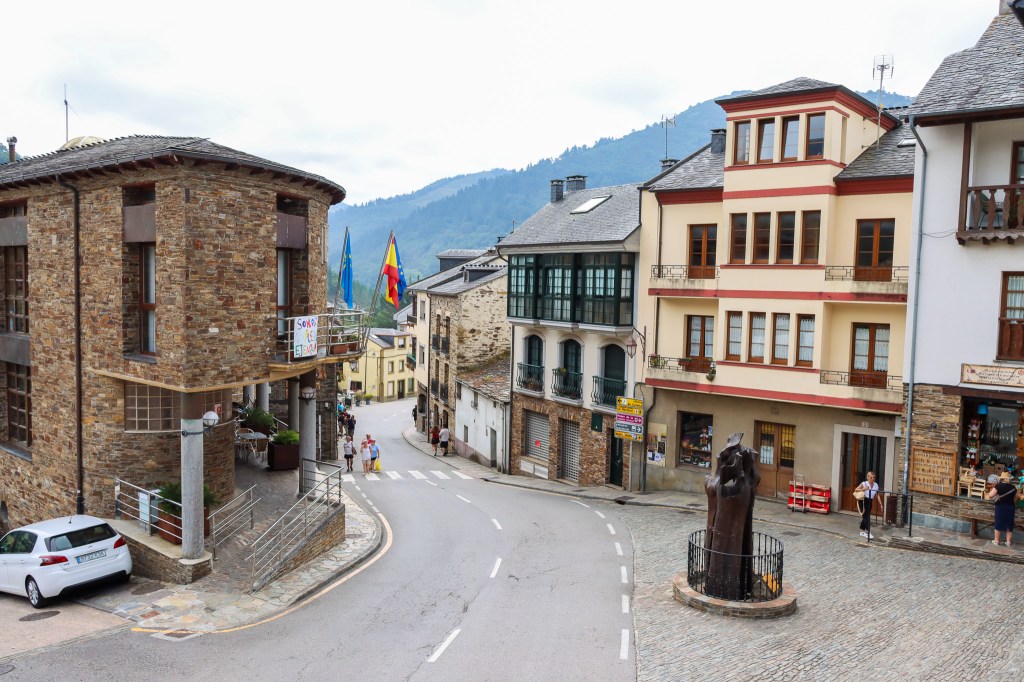
Before going to the Milling Museum we had a wander around the small town. There are some old parts left but most has been modernised while maintaining the old style. As usual around here the town is on a mountain side.

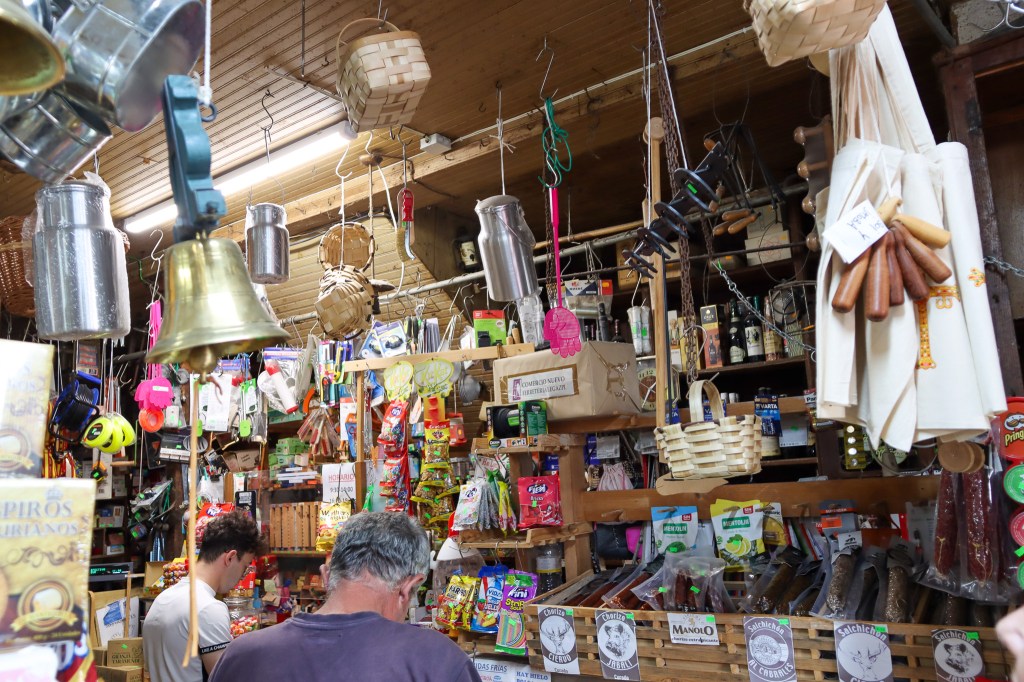
Can’t move for the stock. Have to wonder how he sells anything.
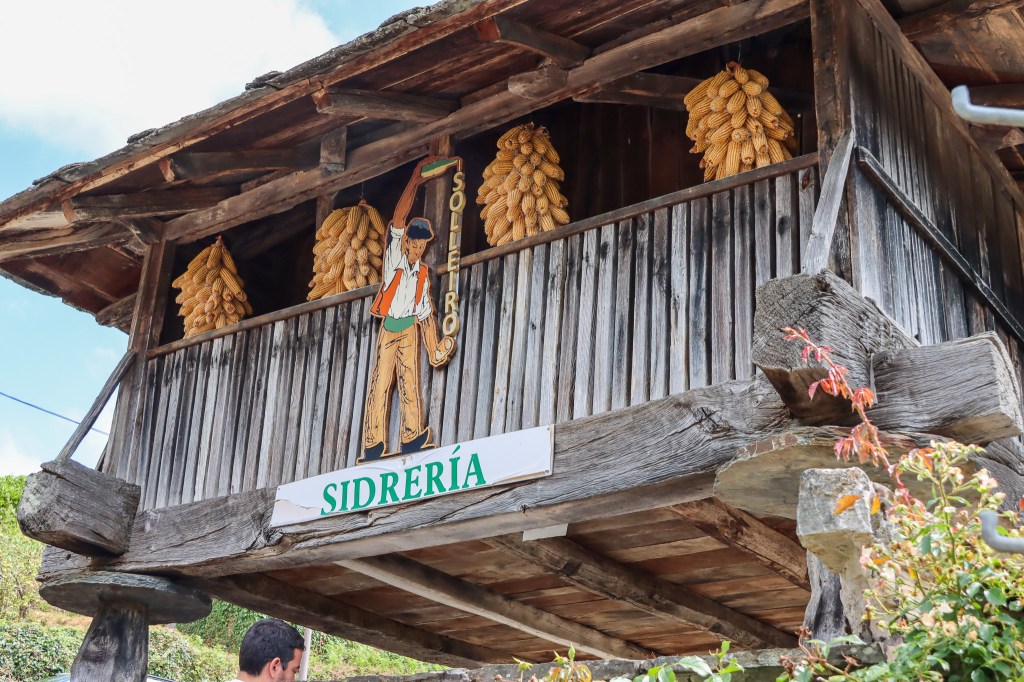
Corn being dried.
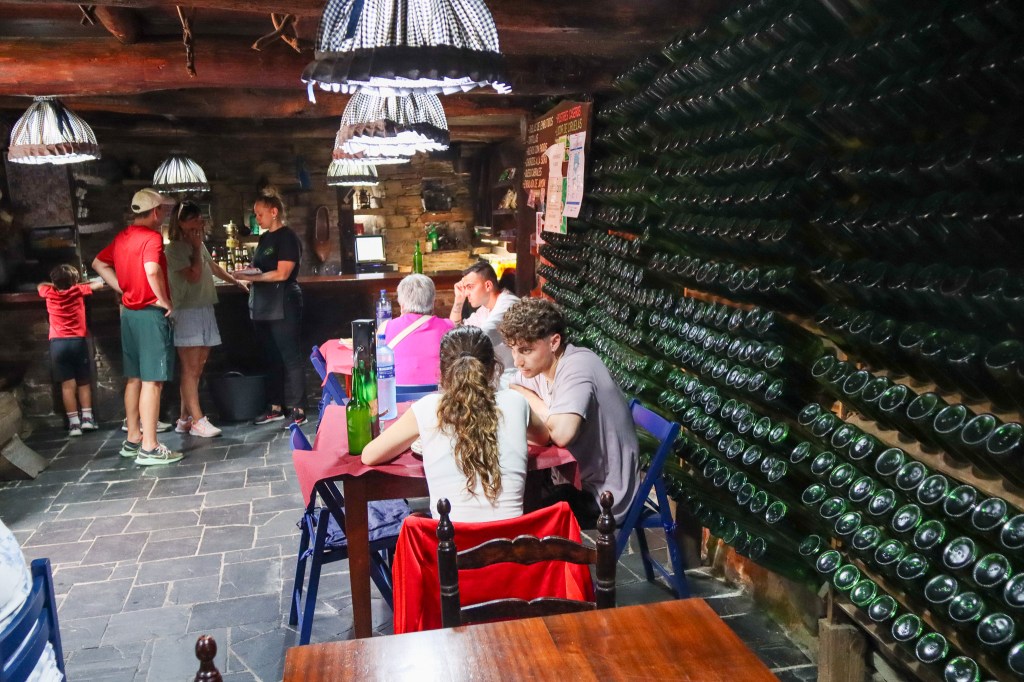
Fancy bottle house for another great lunch
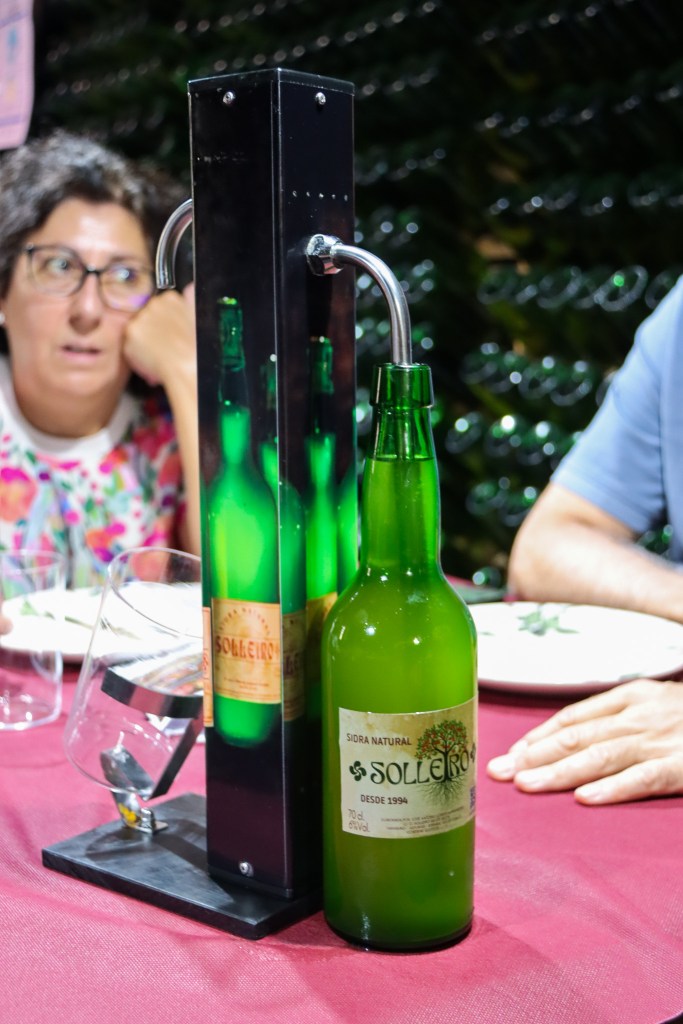
We had to ask what this was.
Solleiro is an alcoholic (6%) very dry apple cider unique to this region. It is made without carbonation and is served with this carbonating dispenser. If you like cider its a great drink.
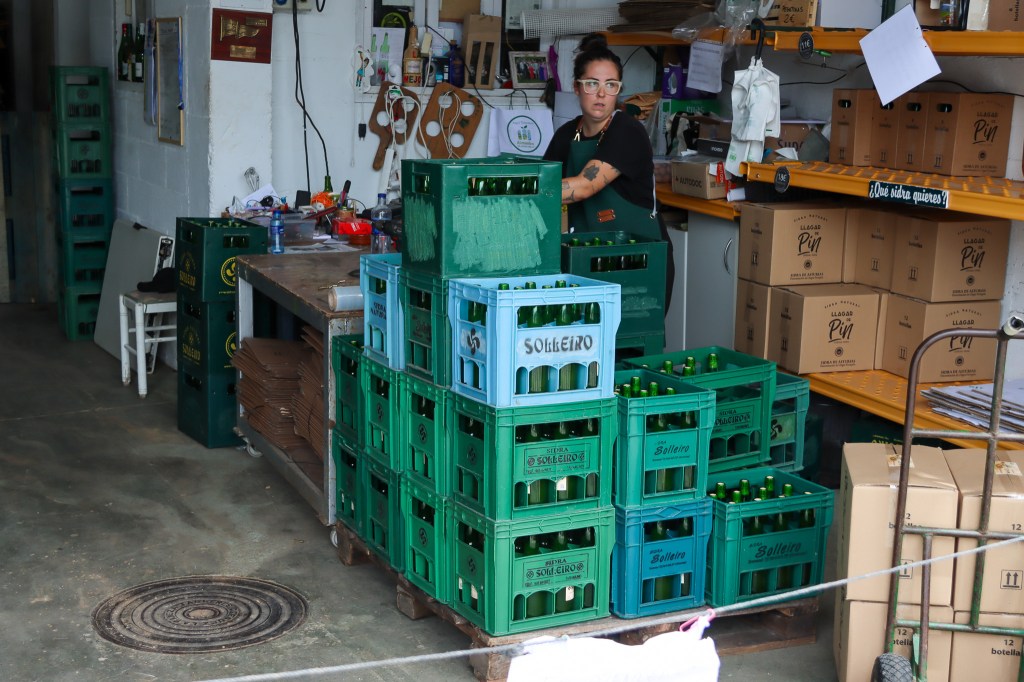
Under the restaurant is the Solleiro bulk warehouse. If you bring empty bottles, a dozen will cost you 27 Euro.
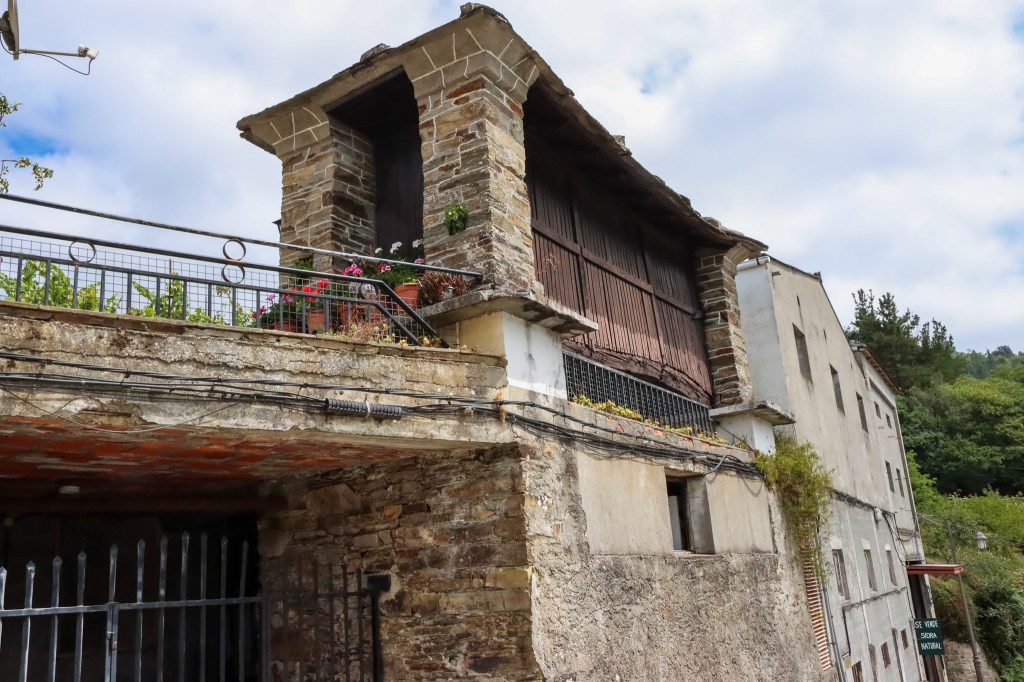
Turned out we could only walk to the Milling Museum. It was 400 m on the path and 85 m vertical. It was a very nasty walk back.
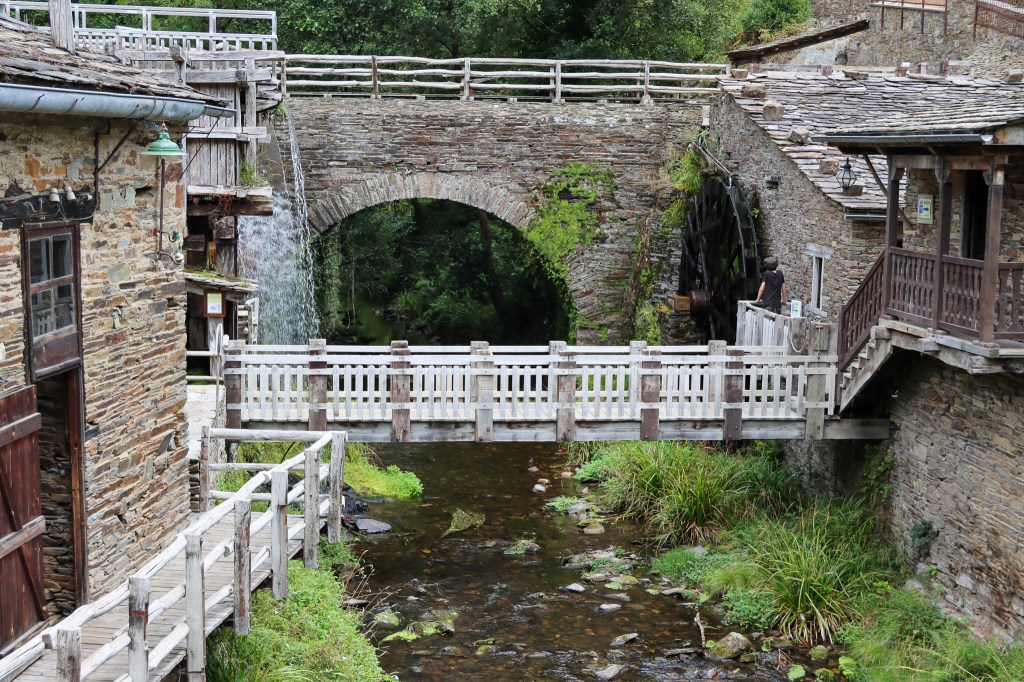
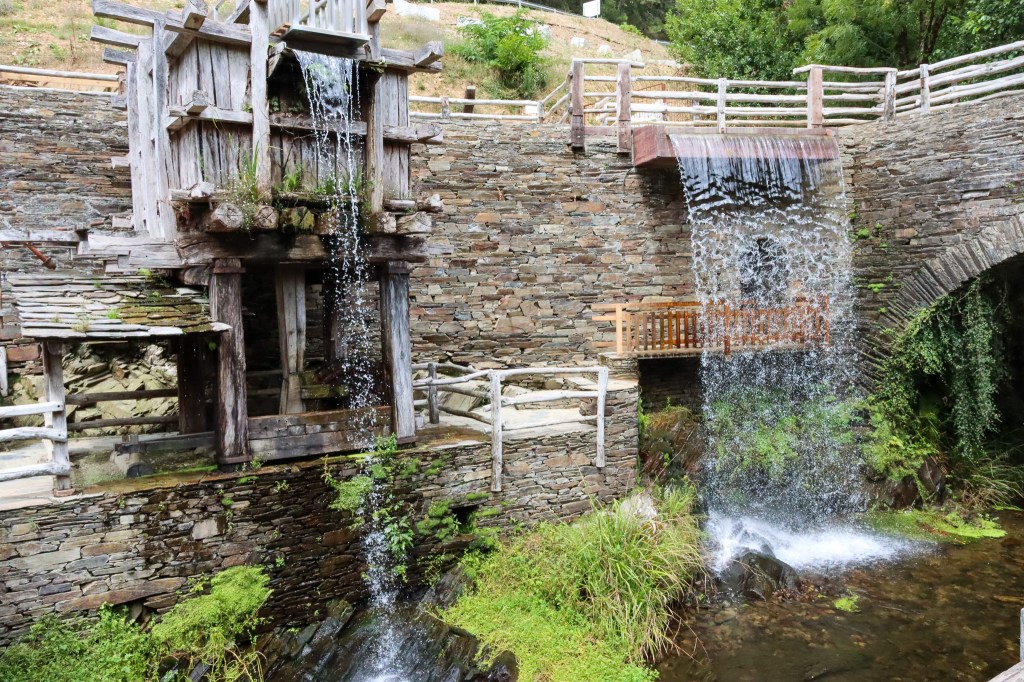
The Milling Museum is a history of the milling of grains and the use of water power which has been done here for centuries. Much of the original buildings and equipment is used but a lot of new work has been done to make it an excellent tourist attraction. Production is no longer done here but they used to mill wheat, corn, rye, and oats.

Milling stones from early invention and on.
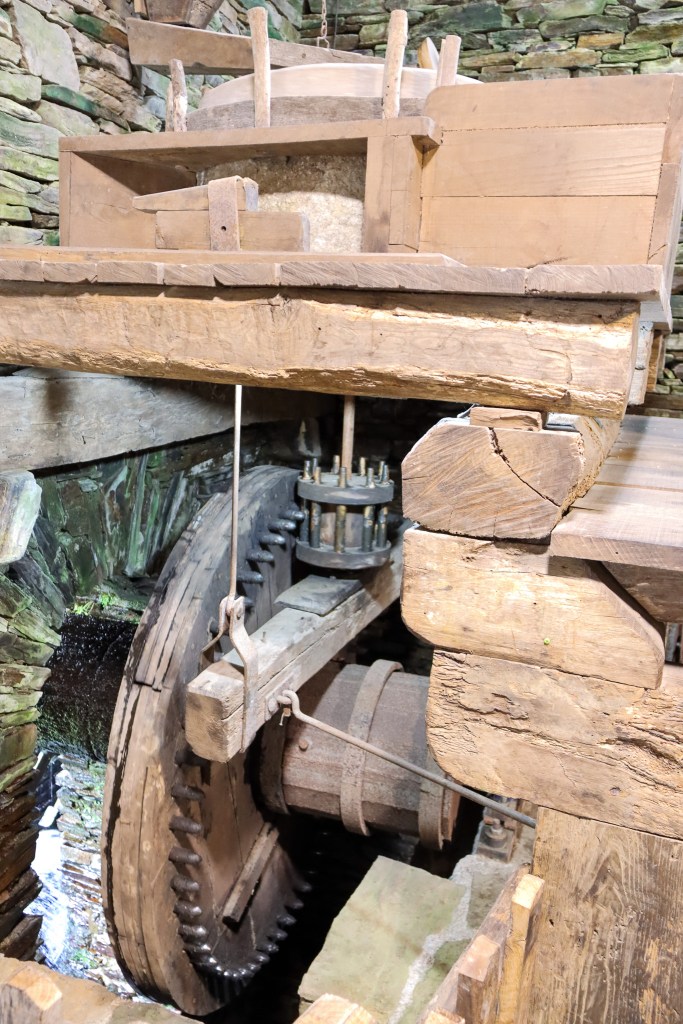
Much effort is made to explain and demonstrate the equipment and methods of water powered milling
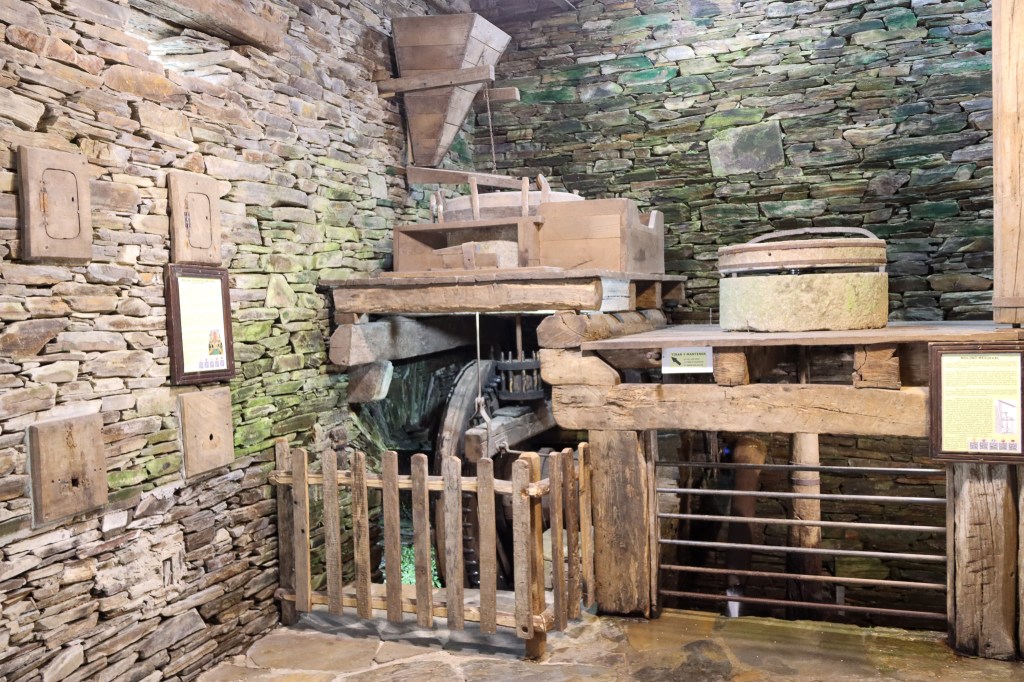
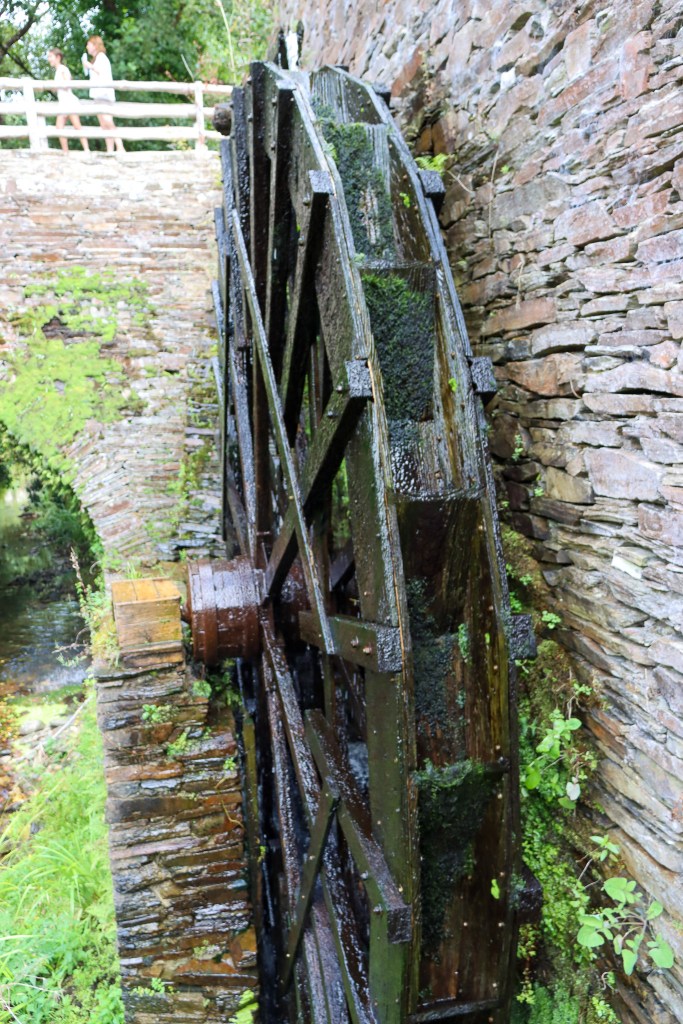
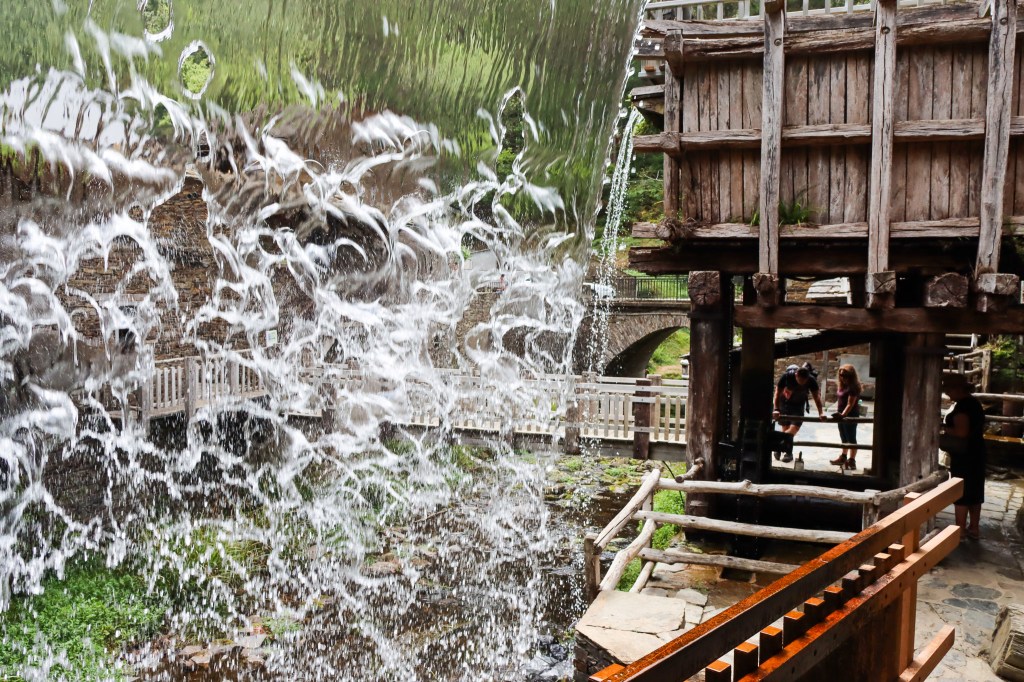
It was a long, slow climb up the hill to the van but we made it. The day delivered much more than we anticipated and demonstrates the value of sitting in one place for a while and exploring areas not on the tourist maps.
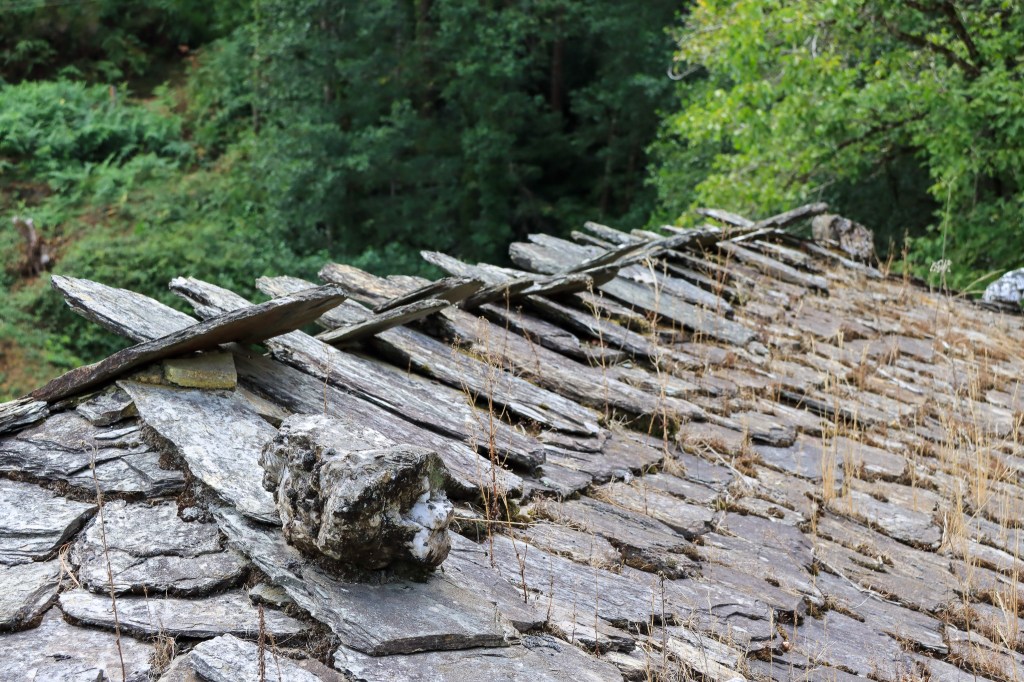
I love the way they work with slate.
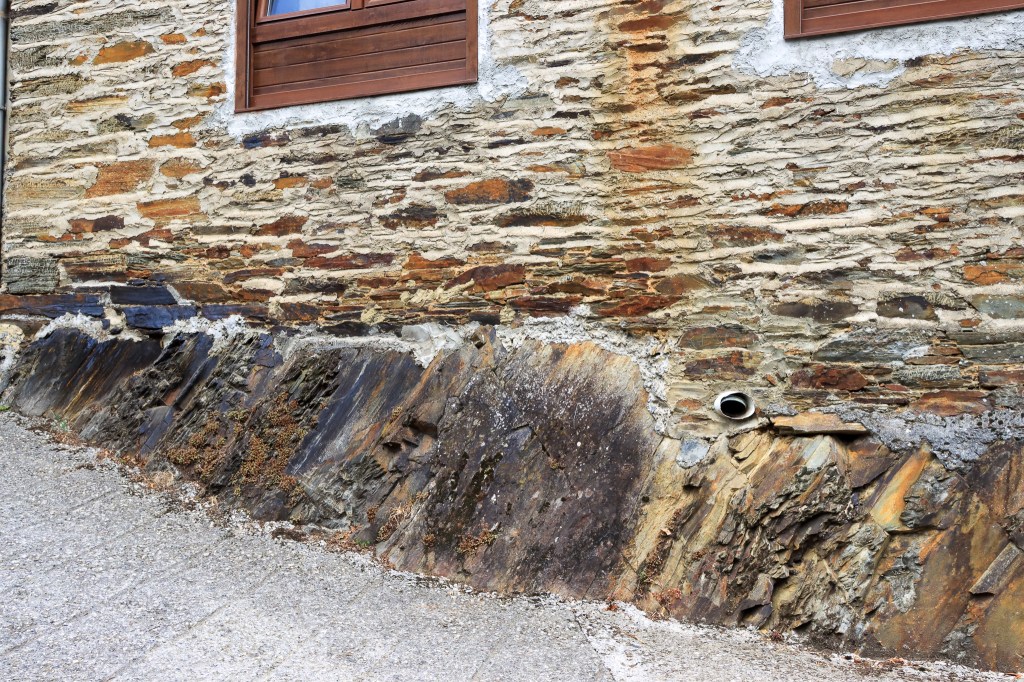
No need for expensive foundations here.
Tomorrow more countryside exploring.
David & Collette

