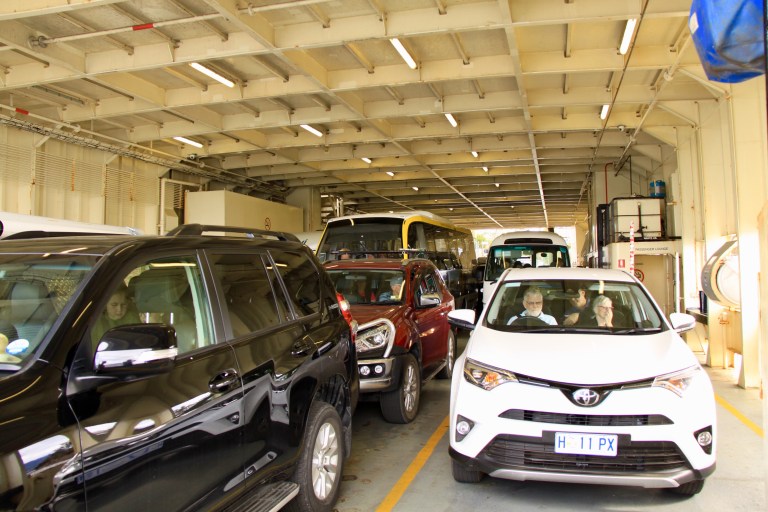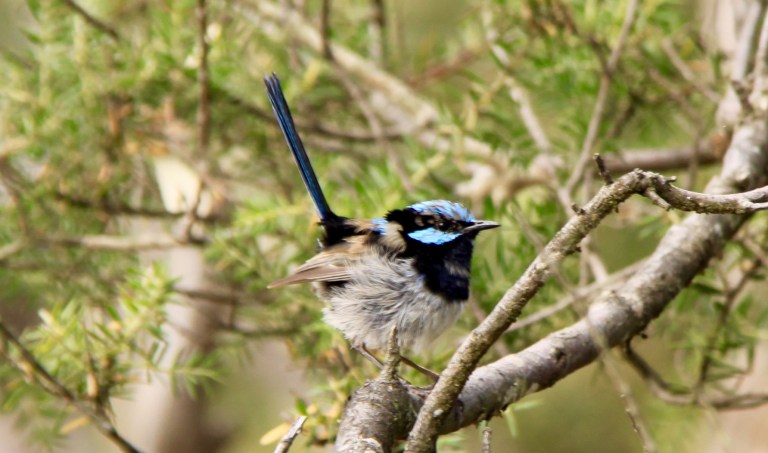
Sunday and we are off to explore Bruny Island, actually two large island joined at “The Neck”. The island is accessed by a 15 minute ferry ride from Kettering, 30 minutes south east of Hobart.
The weather was patchy overcast with the sun coming out each time just after I put the camera away. Photographically frustrating. Anyway it was a great day with some surprising finds.
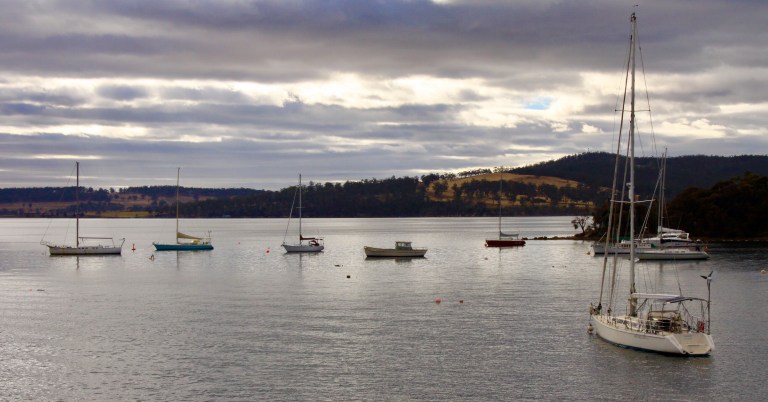
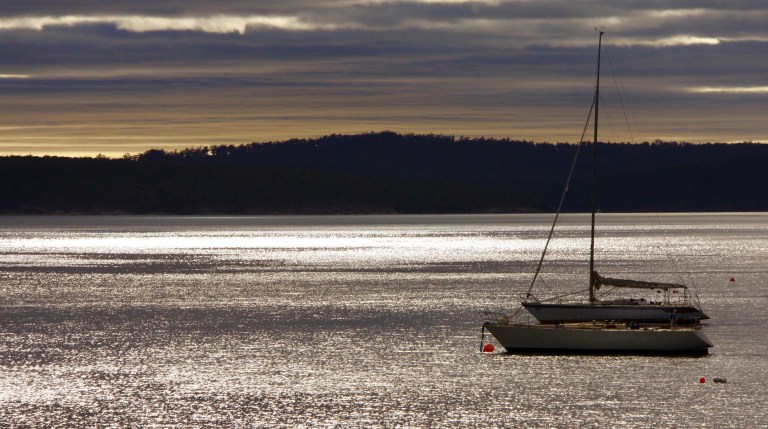
Kettering, a village surviving on a large safe harbour marina and the ferry.
We decided to start at the furtherest point, Cape Bruny and the lighthouse. On the way we stopped at The Neck Game Reserve, a refuge for what must be thousands of penguins. The climb to the top was hard work for us with long legs. It must be murder on the penguins.
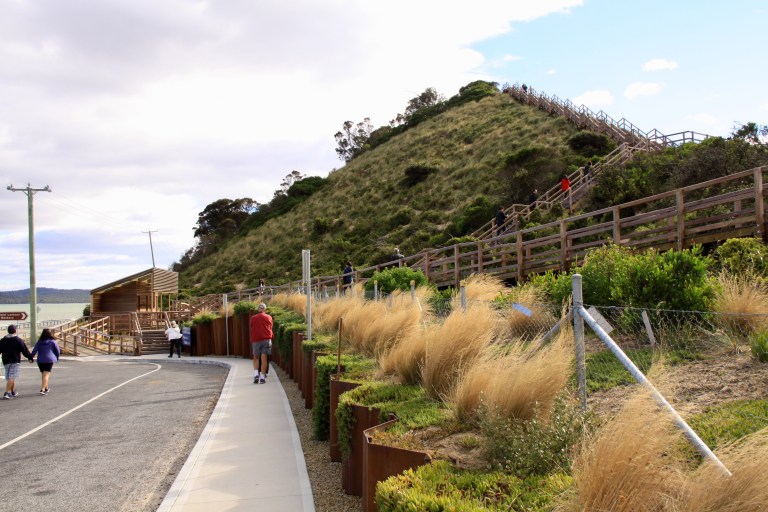
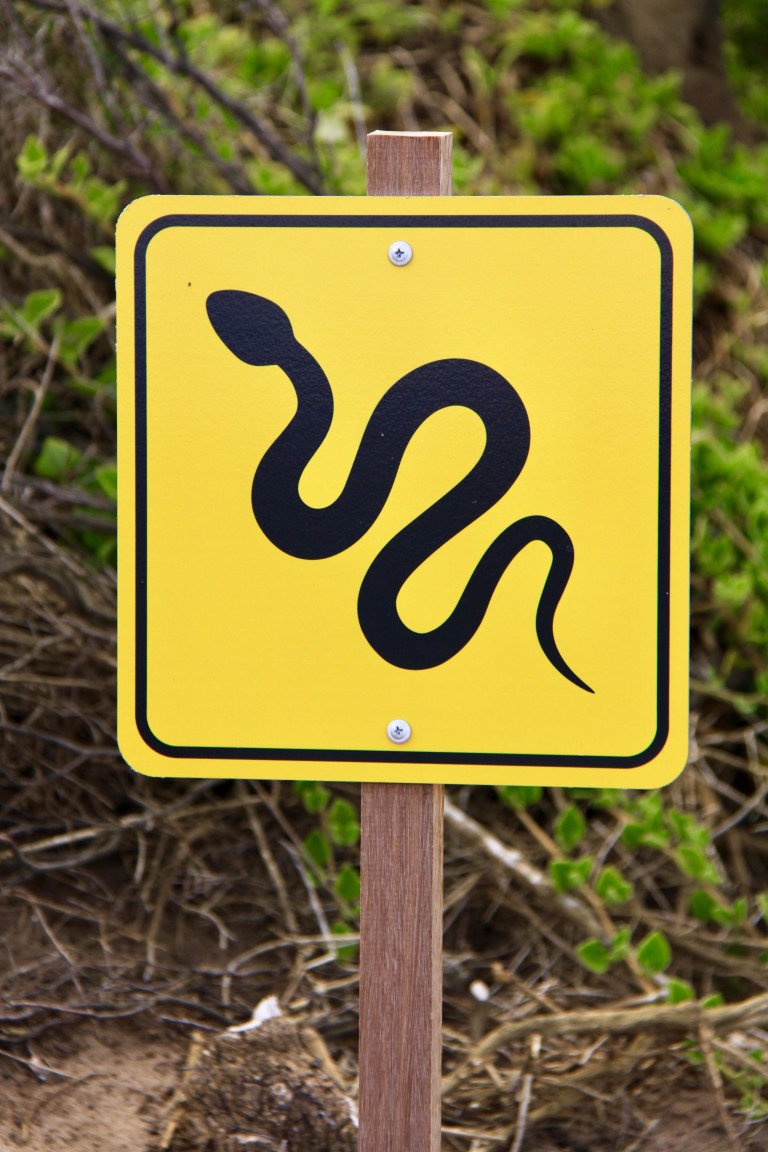
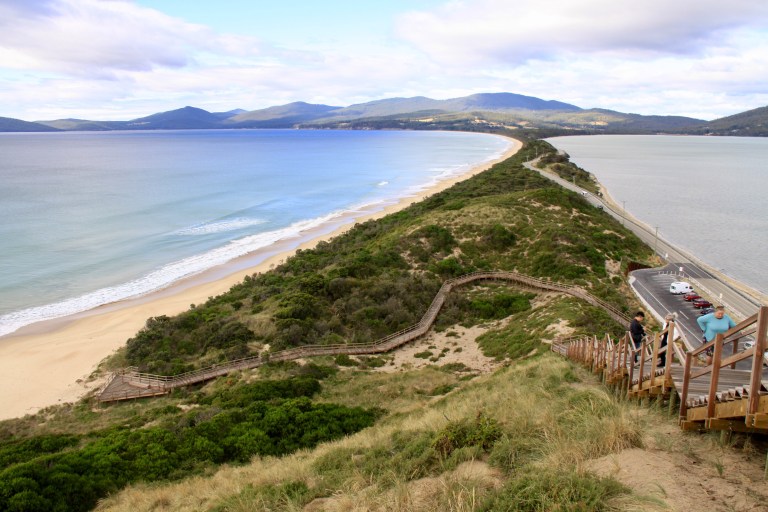
The entire hill and surrounds is a mass of Penguin burrows and the views stunning. We were hoping the snake signs were just for the idiot tourists who go into the nesting area but I don’t think so.
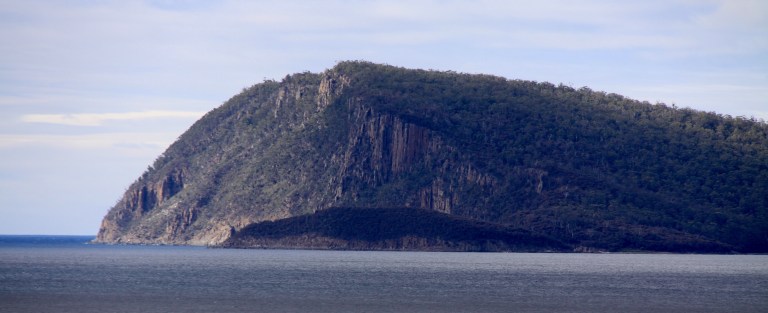
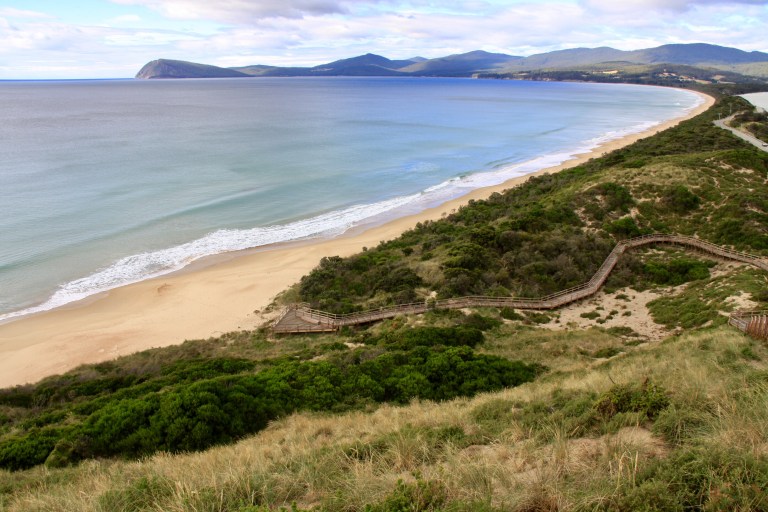
Then onto the lighthouse, another 30 km down the road, most of it dirt. Had some fun with the 4WD.
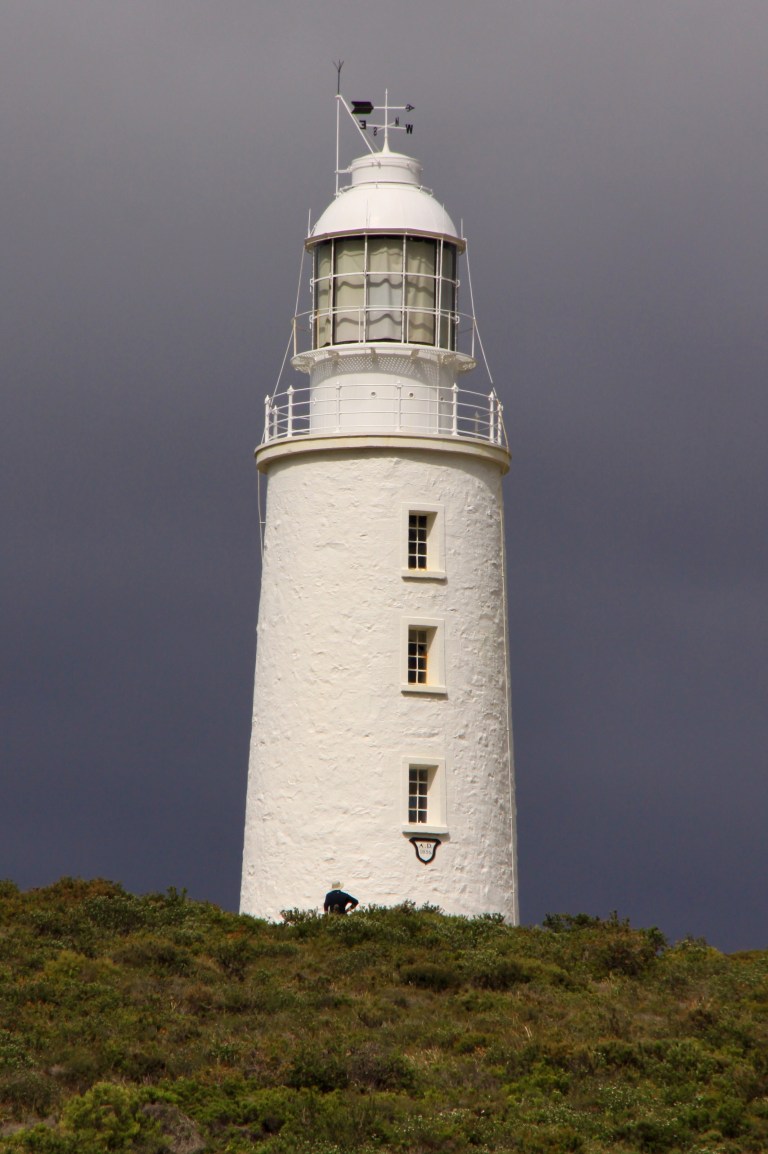
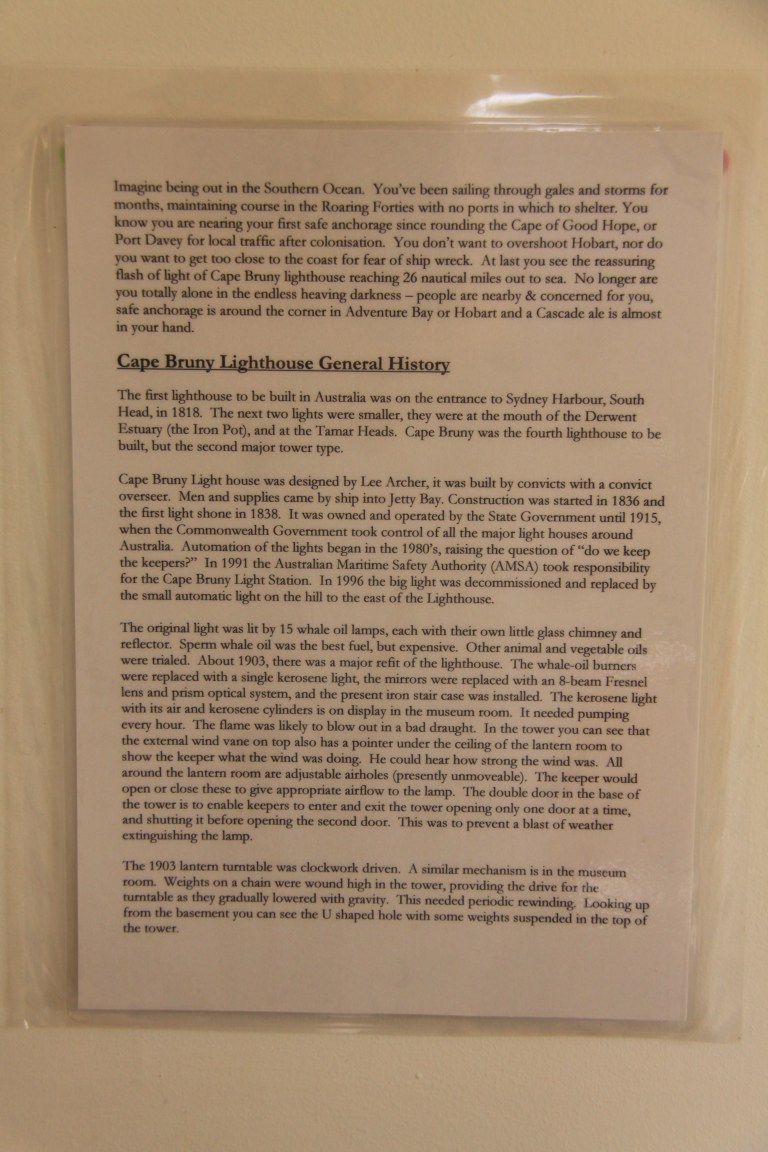
Cape Bruny Lighthouse, in operation from 1838 to 1996. It was the fourth lighthouse in Australia and the second tower. It has been replaced by an automatic light on an adjacent hill.
The lighthouse is maintained as a private enterprise project by descendants of past lighthouse keepers. The scenery from the lighthouse hill is awesome.
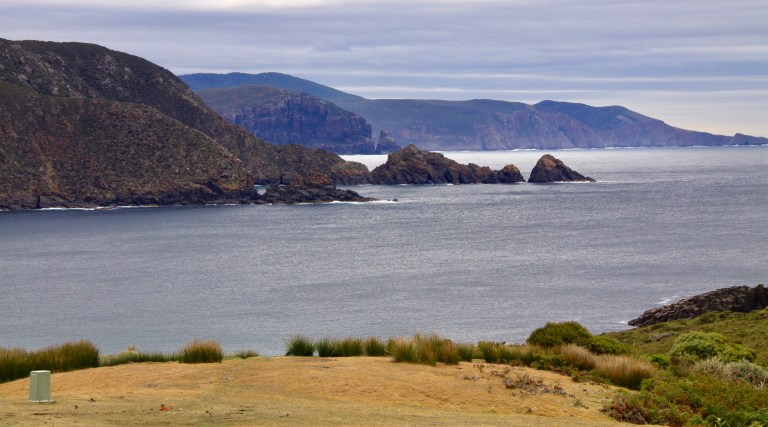
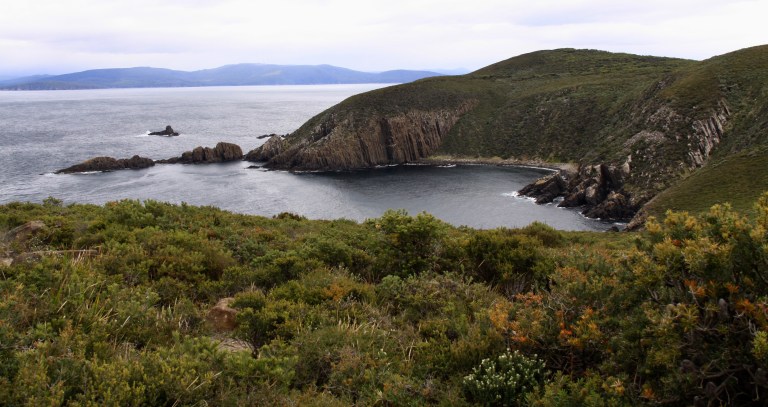
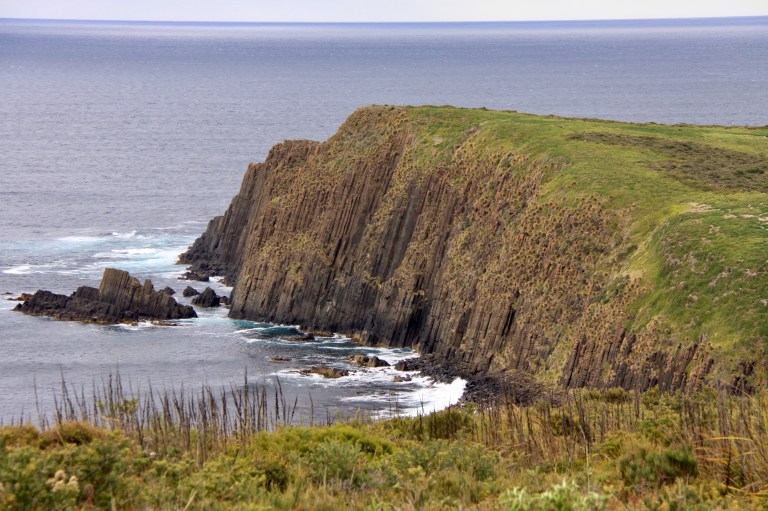
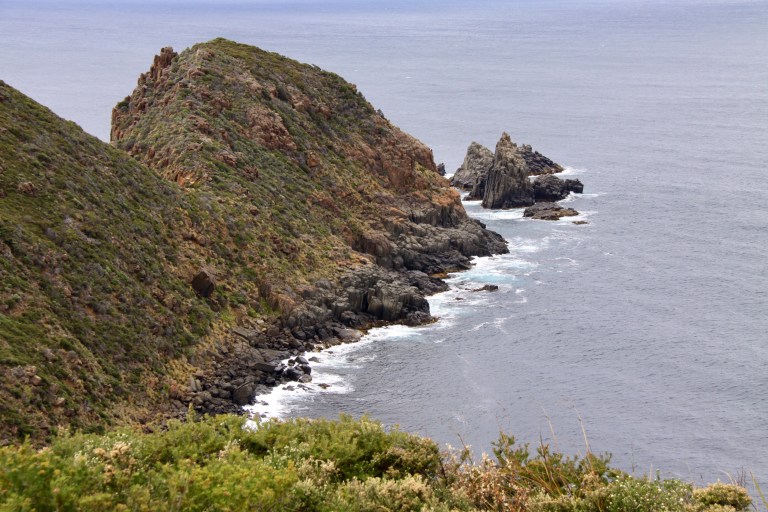
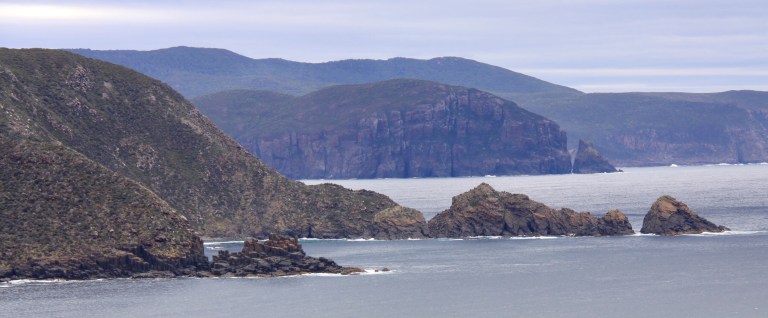
Some smaller scenery as well.
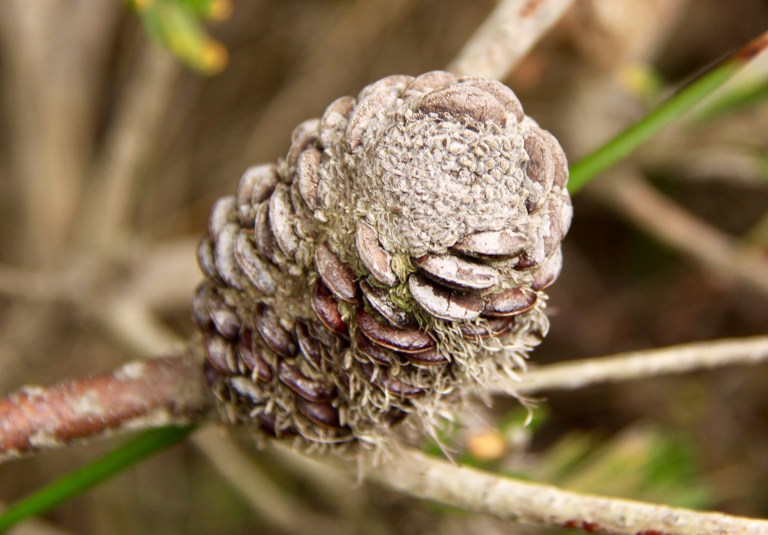
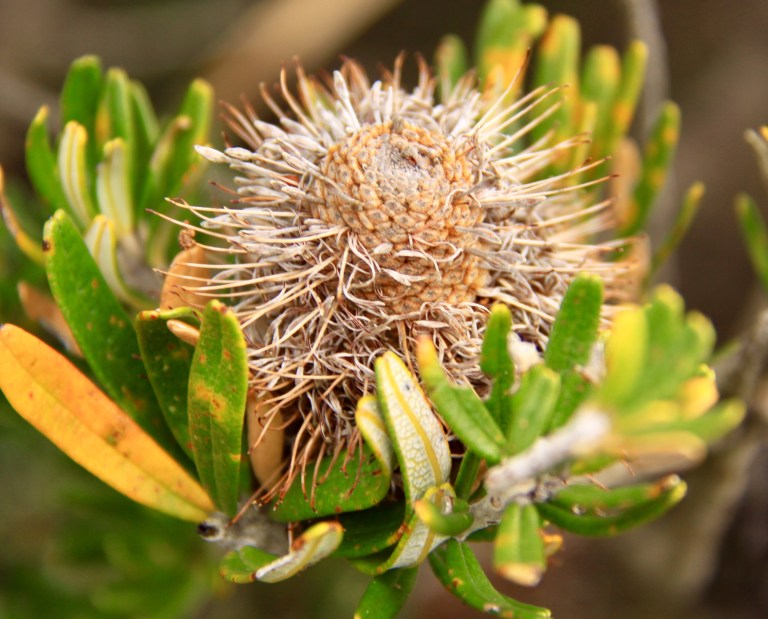
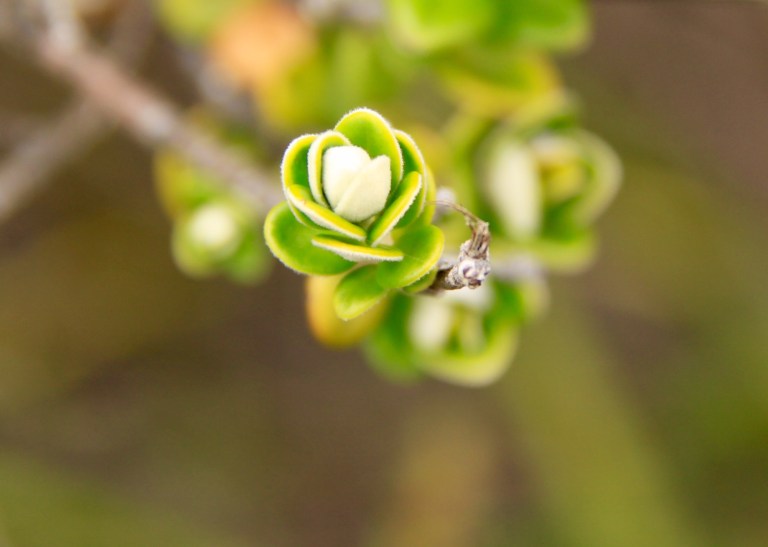
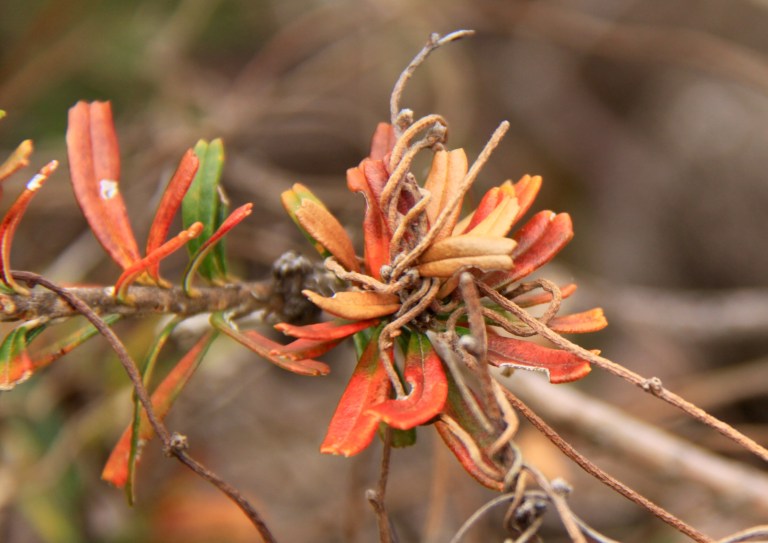
Next stop was Cloudy Bay. We were hoping for a coffee but all we found was a beach and red surf.
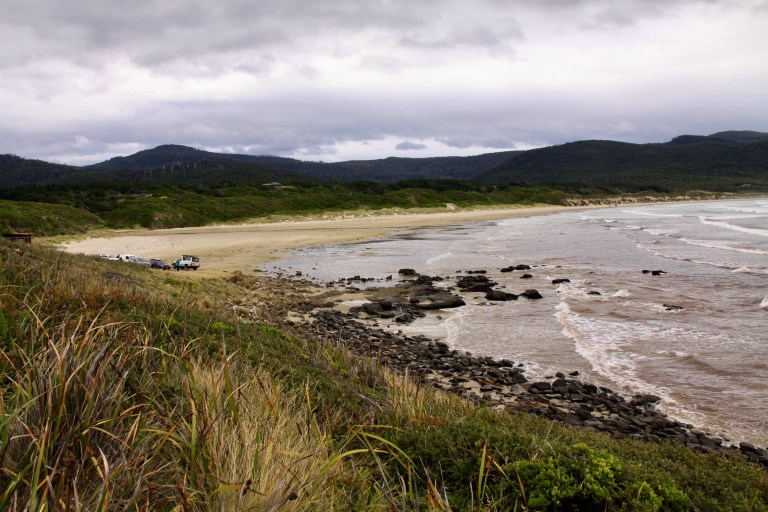
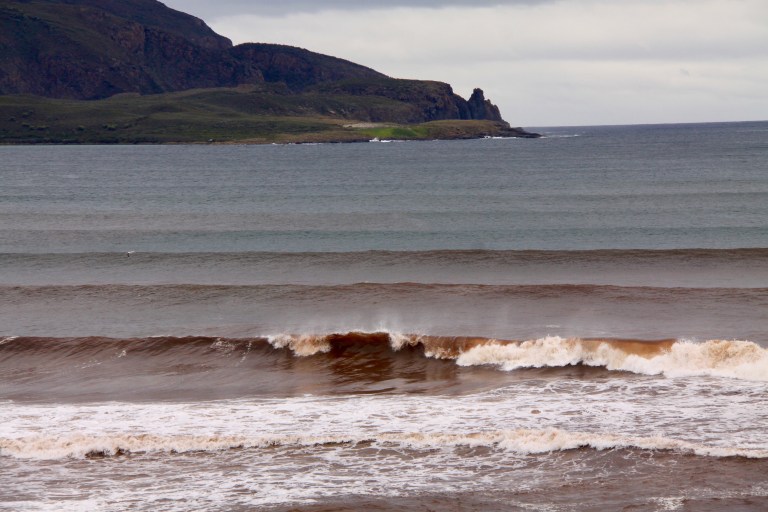
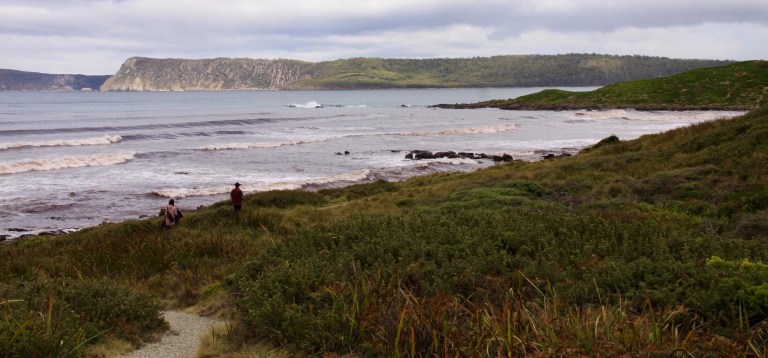
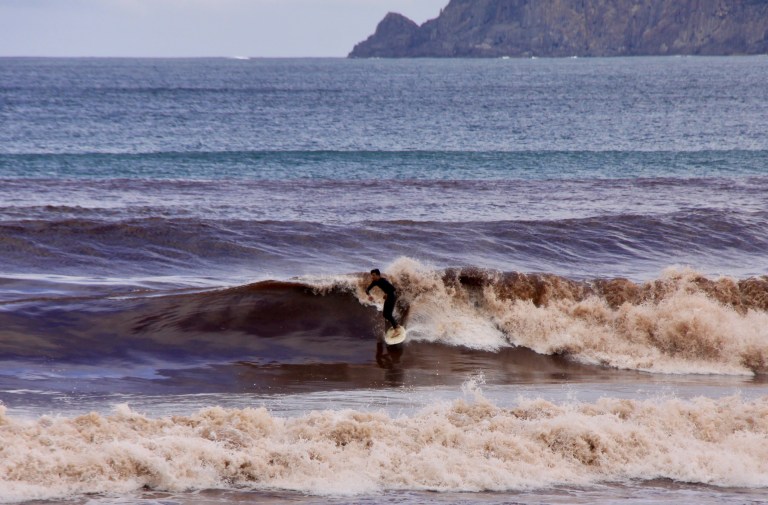
This is a stunning beach, very popular with surfers. On very rare occasions, like when we visit, a red seaweed is washed in shore and turns the water into red wine. It is not toxic but seems to stick very well to swimmers. A local regular visitor to Cloudy Bay told us she had seen the red surf twice in 30 years. We felt very privileged.
Back to the north island and a visit to the Bruny Island Quarantine Station. But first, the oyster farm.
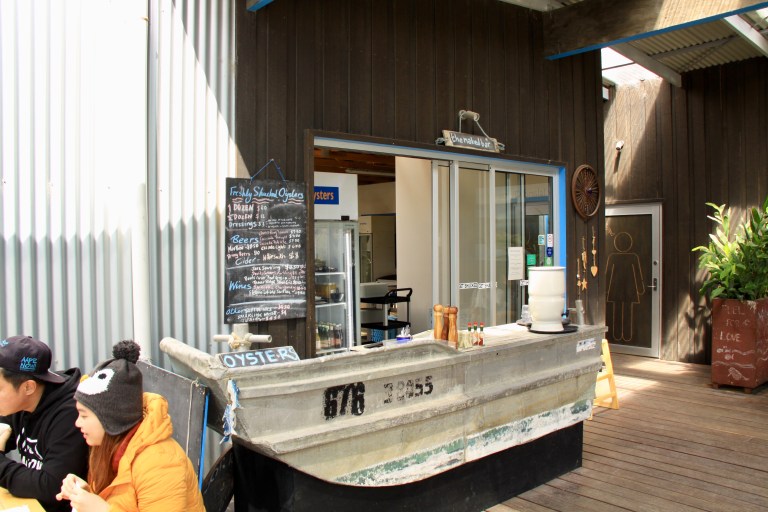
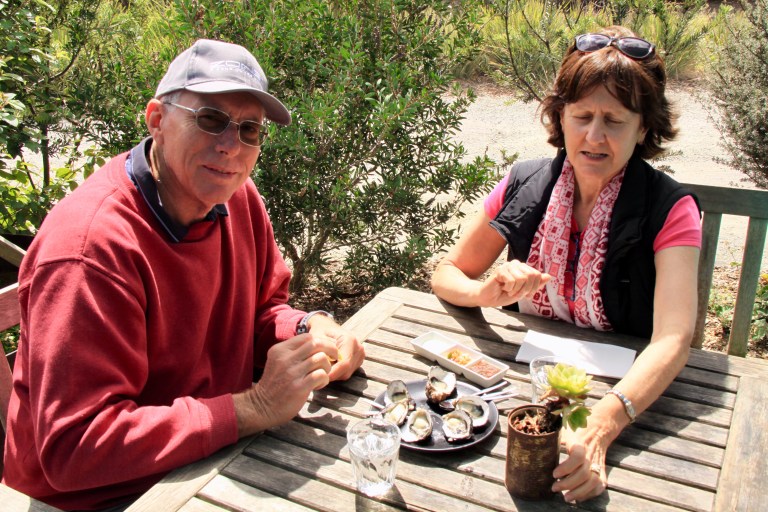
Alan and Linda enjoying some very fresh oysters. The oyster leases are across the road.
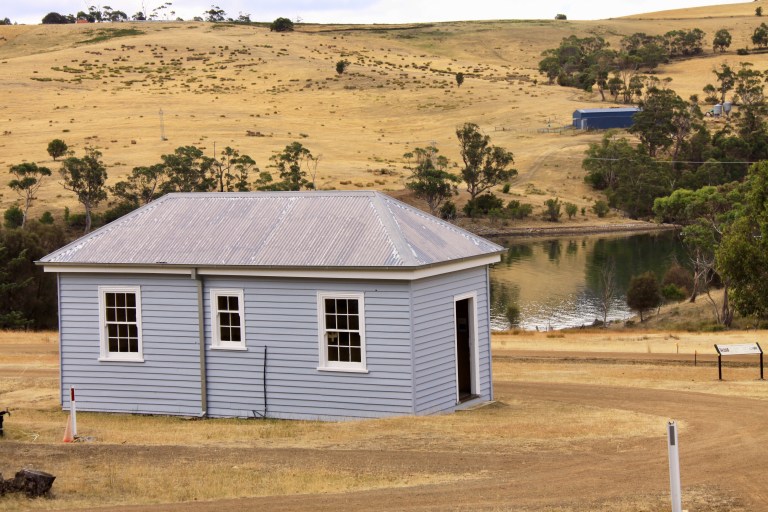
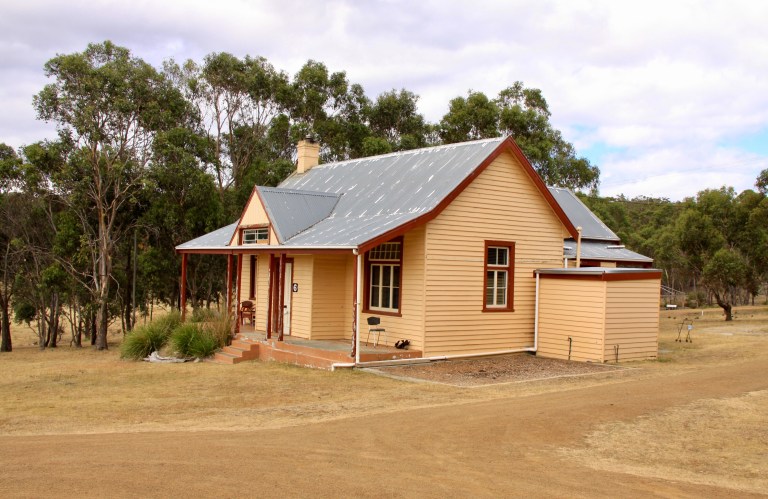
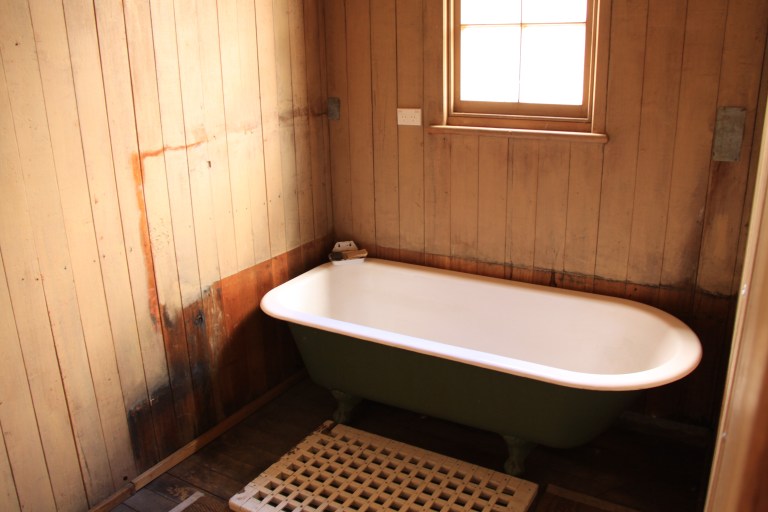
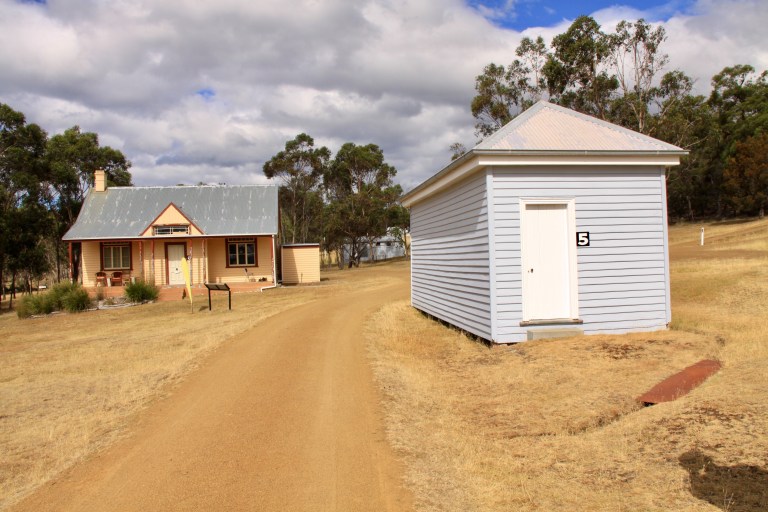
Cleansing hut in the foreground with the doctor’s house behind.
The facility was originally established in 1885 by the State Government to control the import of Cholera and Typhoid off passenger ships. It became a Federal facility in 1909. German sailers were interned during WW1 and was used after WW1 to check returning servicemen for disease before they were allowed home. In 1919 it was used to help contain the influenza pandemic.
From the 1950’s to 1986 it was a plant quarantine station. A fascinating place with a fascinating history we never knew existed.
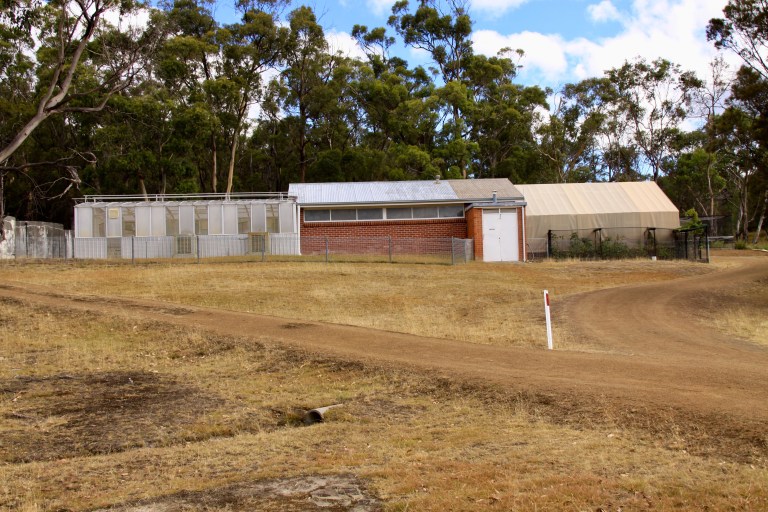
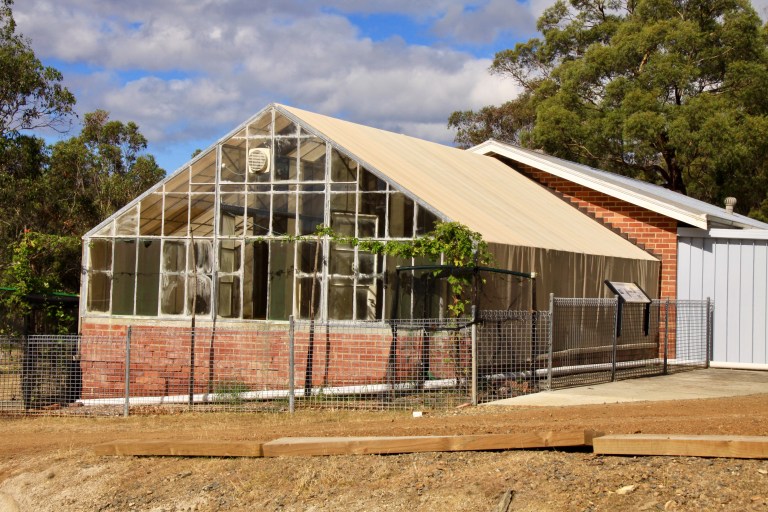
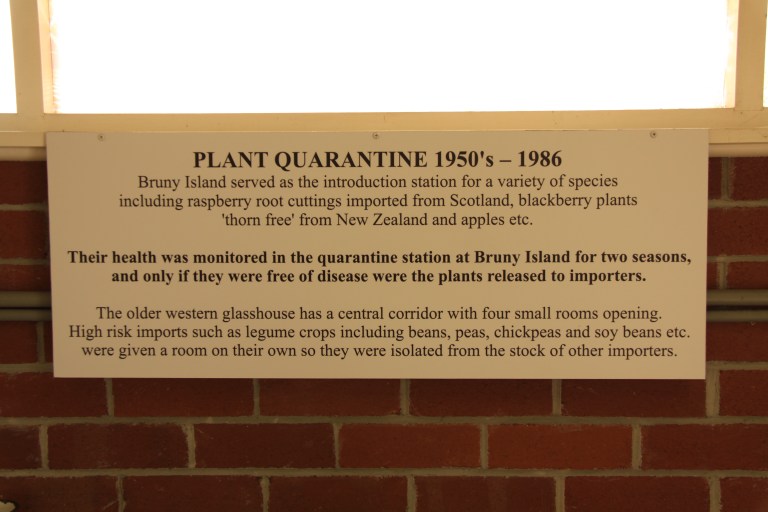
Plant quarantine laboratory and testing area.
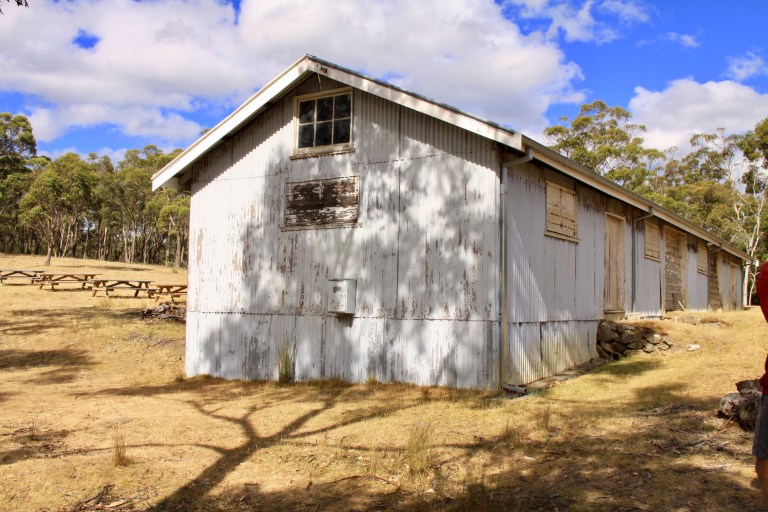
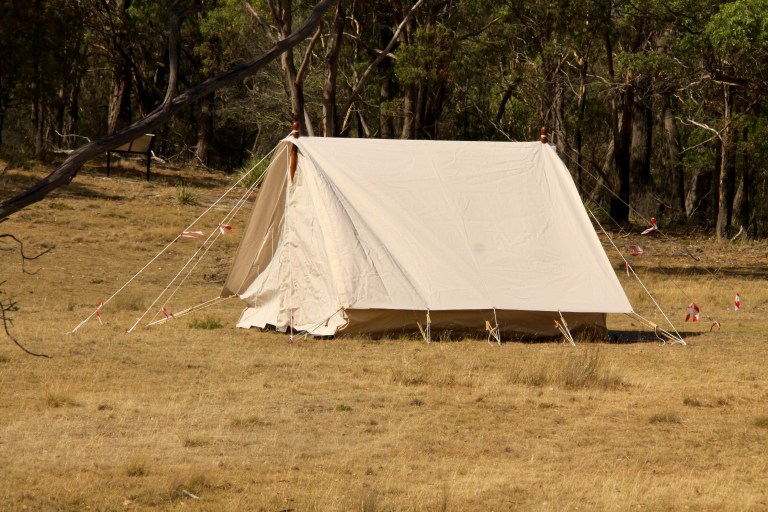
WW1 barracks and tent. We were there for the 100th anniversary of the returning soldiers arrival re enactment that took place that morning.
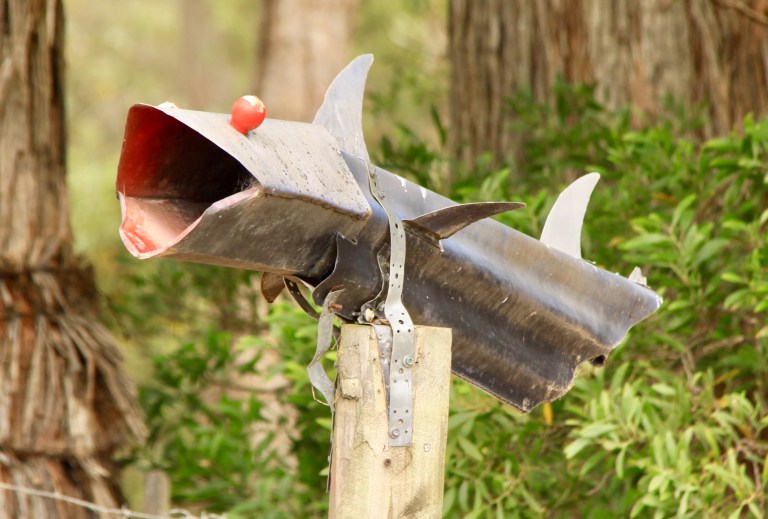
They can do a good letterbox down here also.
That was a big day. Time to hit the ferry and home.