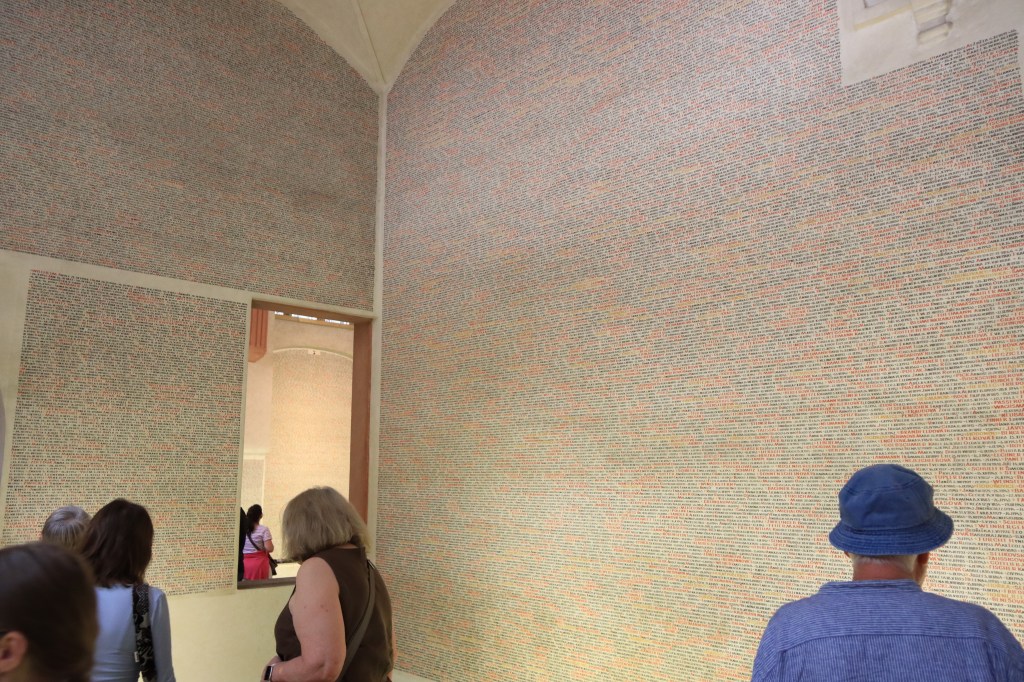
Walls of names. More on this later.
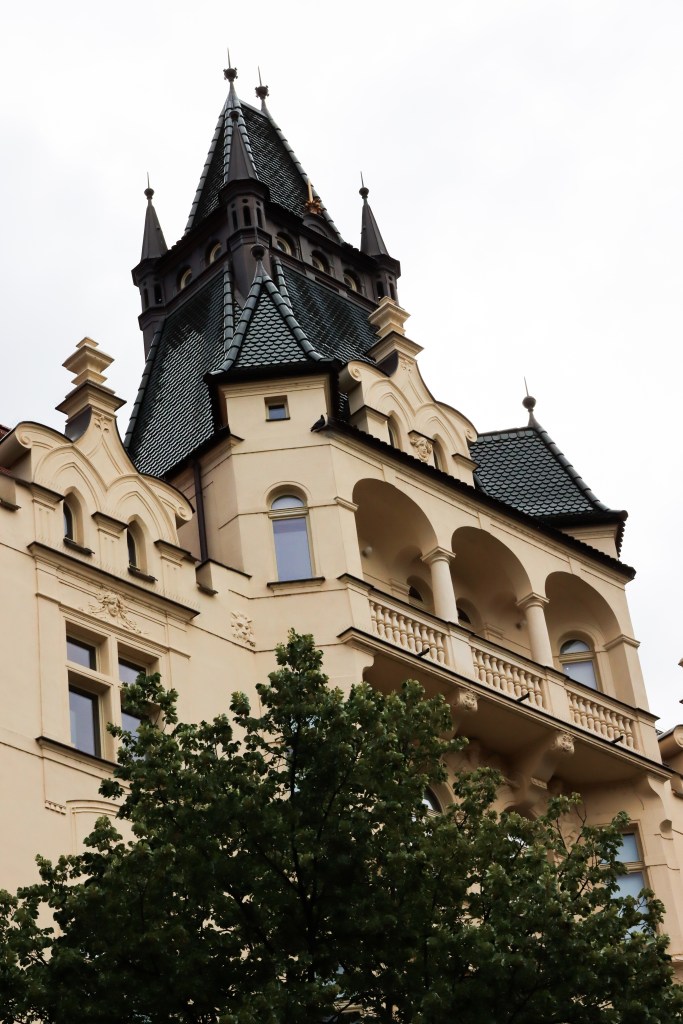
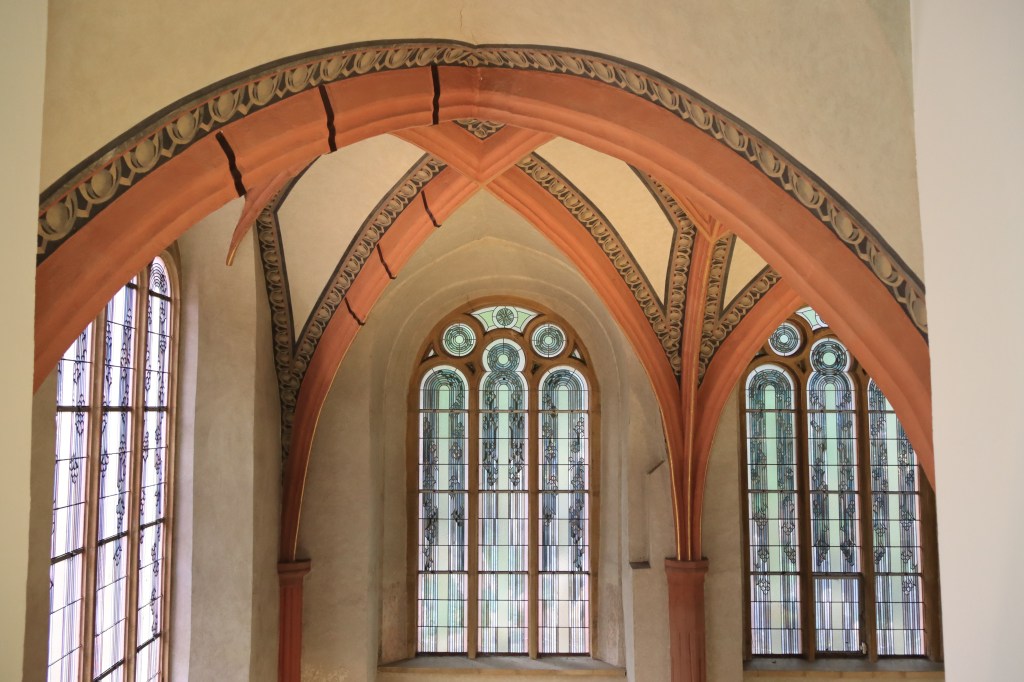
Just some more glorious Prague architecture.
We spent most of the day at the Prague Jewish Museum which comprises 4 synagogues and the old cemetery. The guided tour was worth every Czech crown and lasted over 2.5 hours. All the synagogues are within the old Jewish quarter and easy walking distance and the story is both tragic and amazing. At one time Czechoslovakia was home to over 300,000 jews. The current number is about 6,000.
The Pinkas Synagogue dates back to the early 1600’s and has been converted into a memorial for over 78,000 Jews who were deported. This is just the number found in Nazi documentation and it is believed the actual number is much higher. Every name is written on a wall, along with their date of birth and date of deportation. Only very few returned.
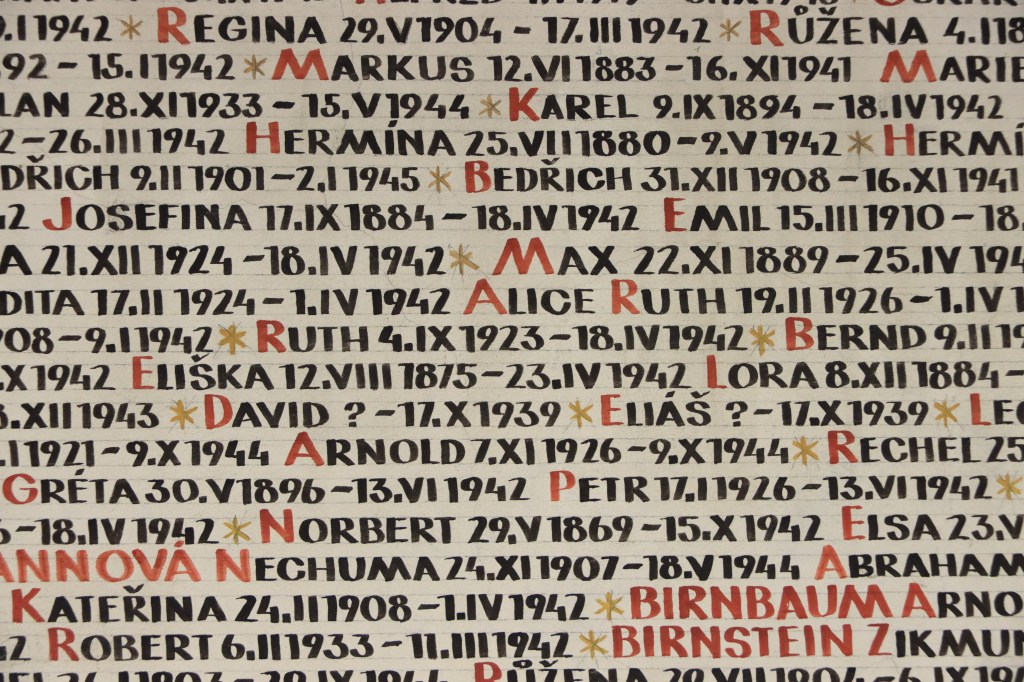
The names are being continuously read out by various men and women.
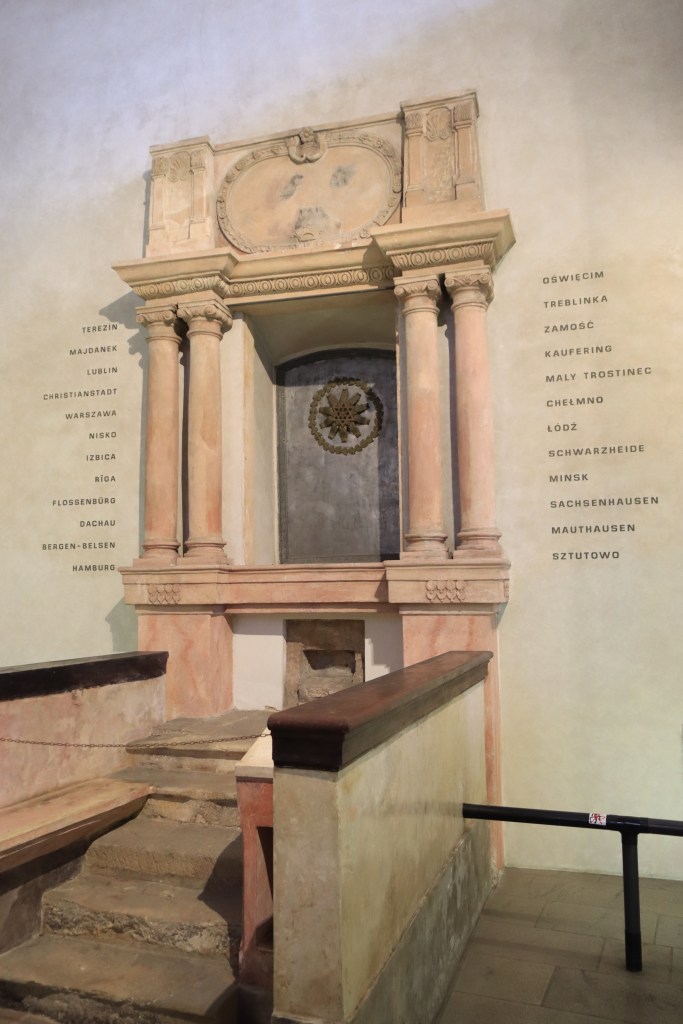
Alter flanked by the names of the concentration camps they were deported to.
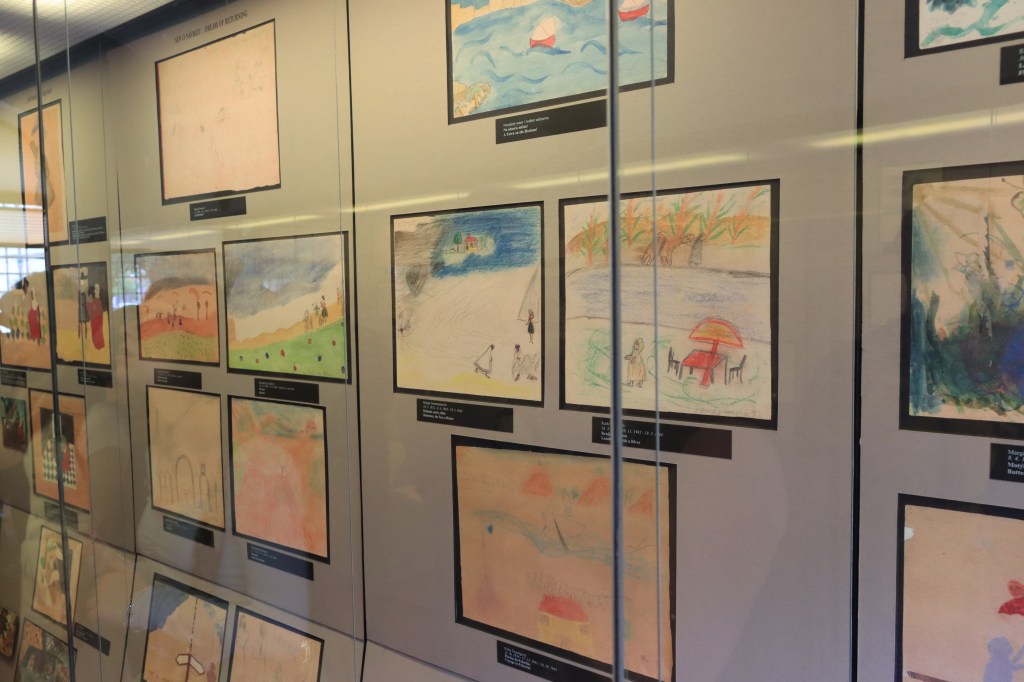
Drawings by the children who were deported.
This was a very moving experience and a very sober start to the tour. From there the tour focused on Jewish history in Prague from the 10th Century. We were told on numerous occasions that this museum has the largest collection of Jewish artefacts in the world, including Israel, because they date back so far.
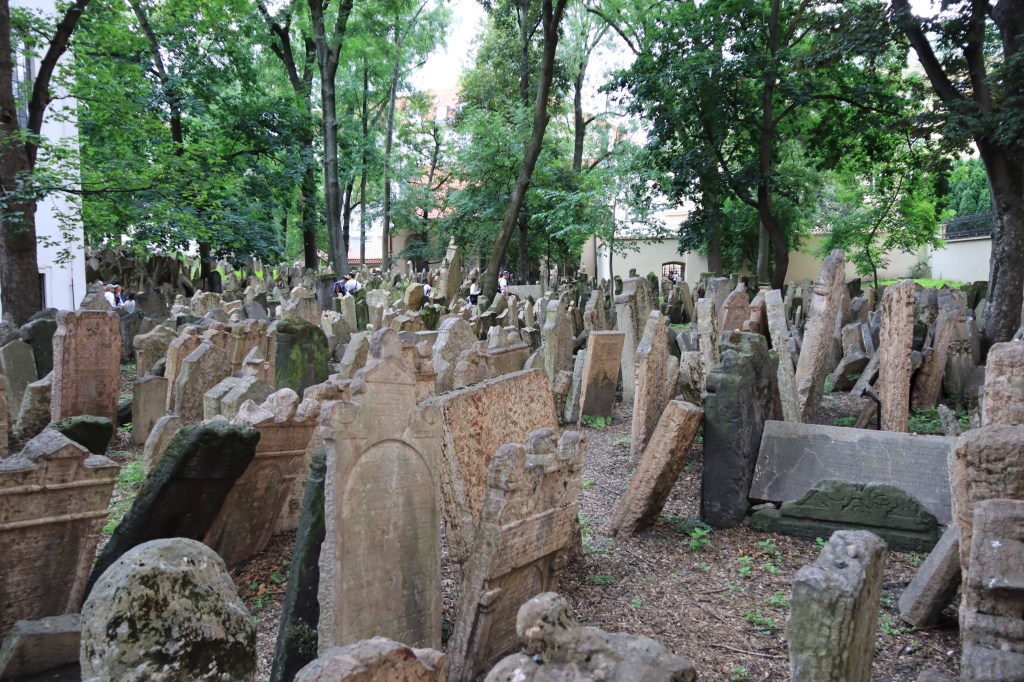
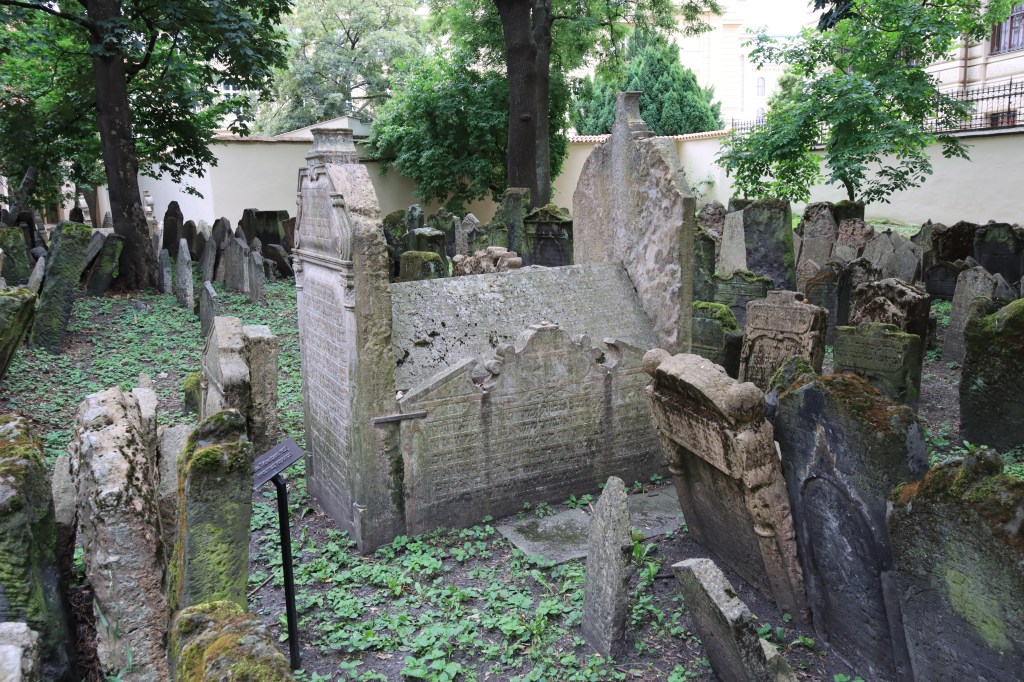
Next we visited the old cemetery, or what is left of it. The headstones gate back to the 1300’s and graves are apparently up to 12 bodies deep. No-one has been buried here for over 300 years.
The next synagogue again dates back to the 1300’s and is the oldest working synagogue in Europe. Not much to look at but interesting.
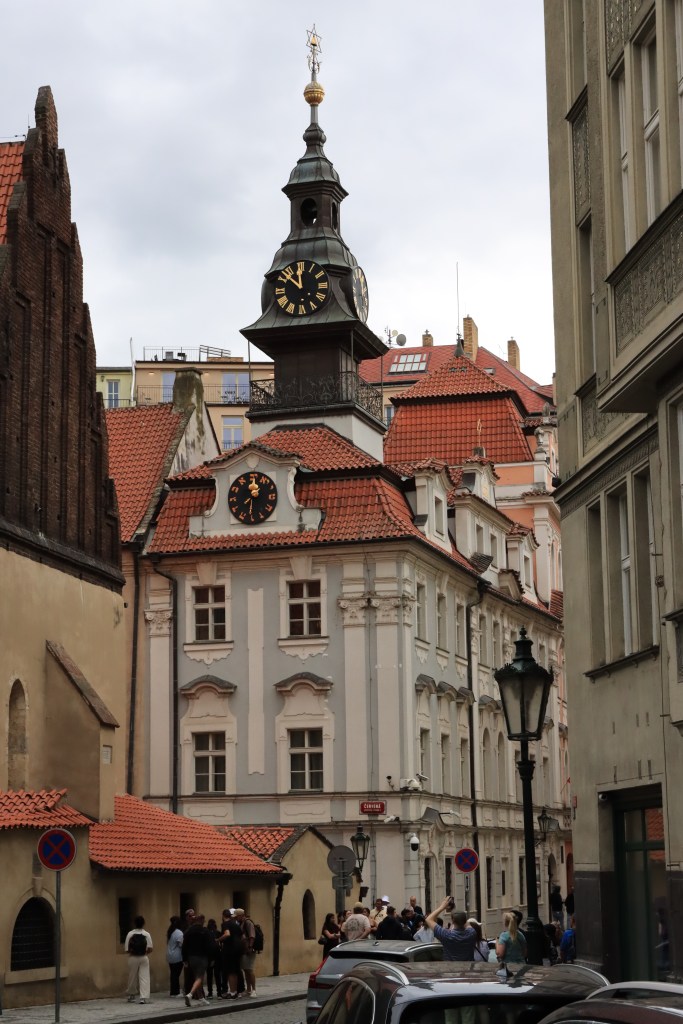
There are two clocks on this tower. The upper one is a standard clock. The lower clock is a Hebrew version and runs backward.
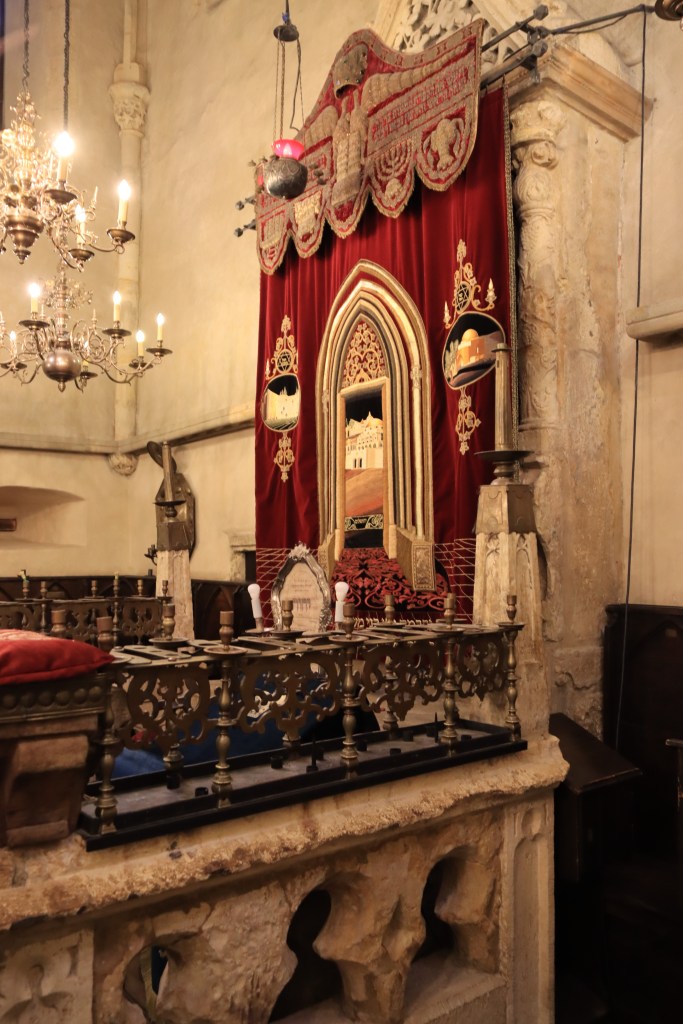
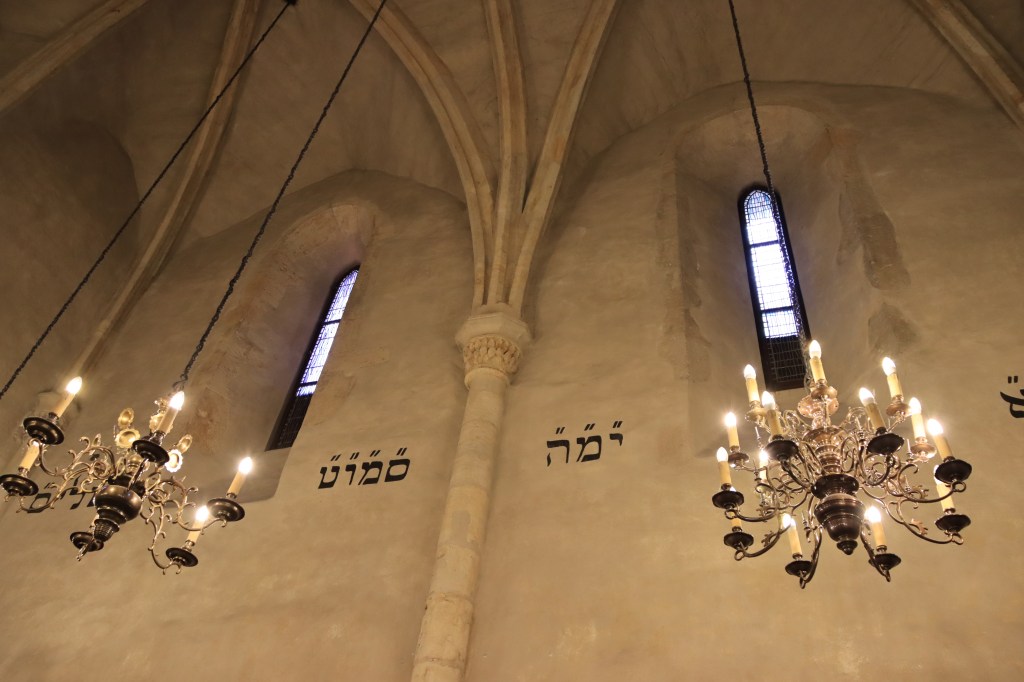
Quite plain and basic but functional.
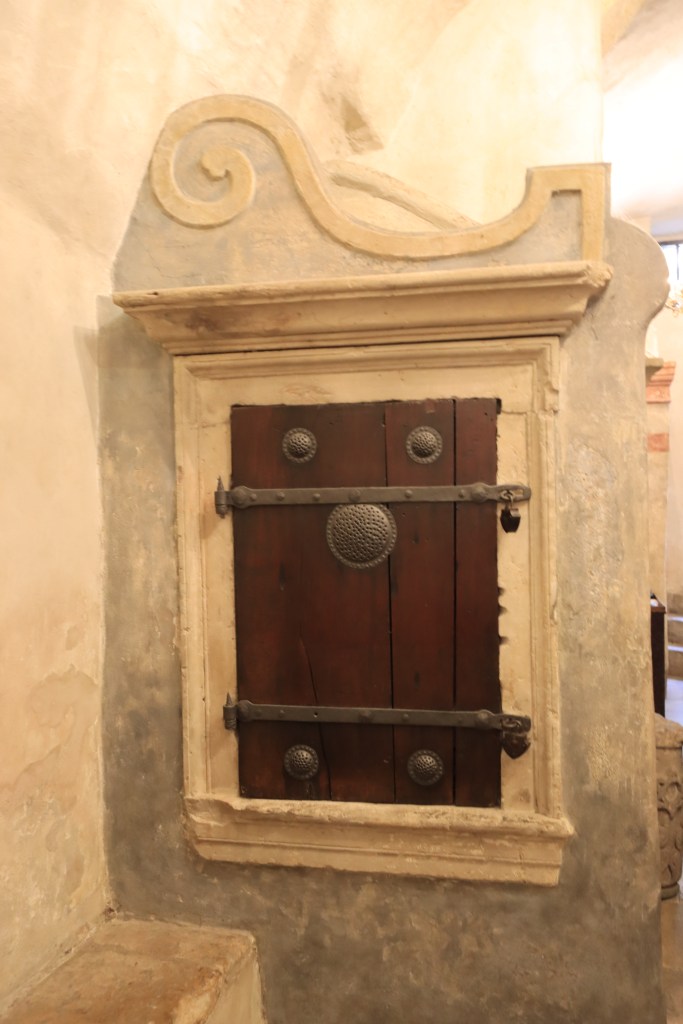
Inside the synagogue is this safe where the money lenders and the rich would store their money.
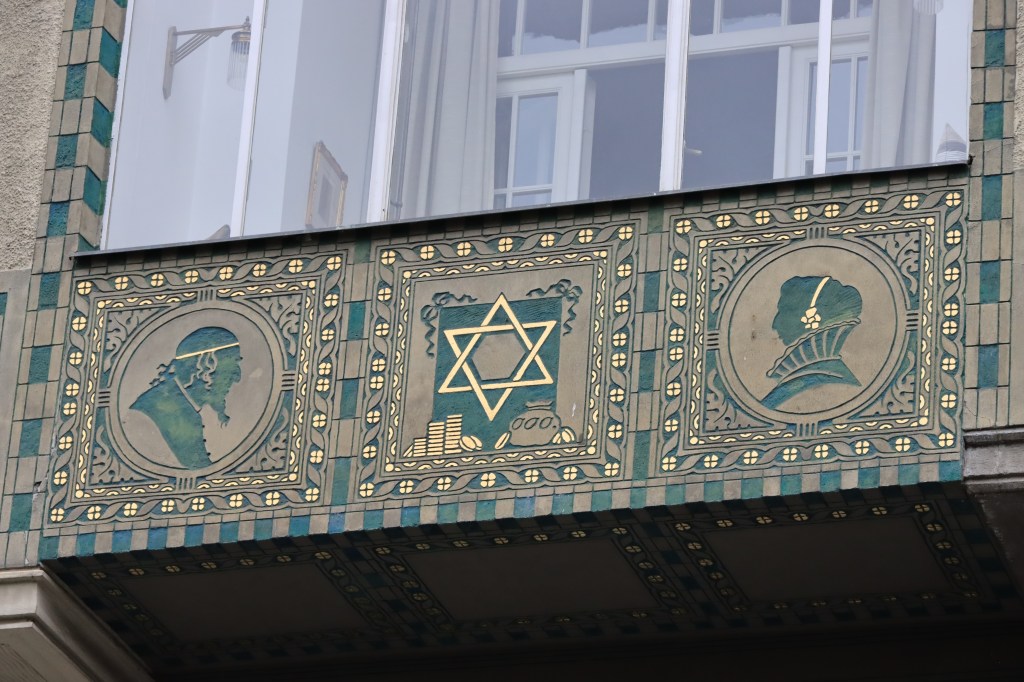
This decoration is all over the building opposite. Notice the coins under the Star of David. The side figures were the original residents.
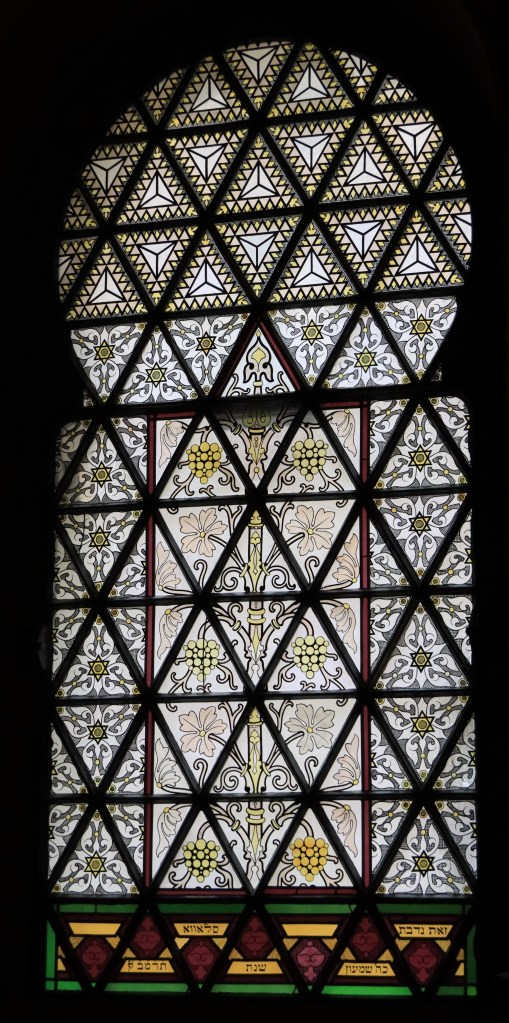
We then moved on to the Spanish Synagogue, built in the mid 1800’s. This congregation were rebels because they installed an organ and read the Torah with their back to Jerusalem, both not allowed in traditional synagogues.
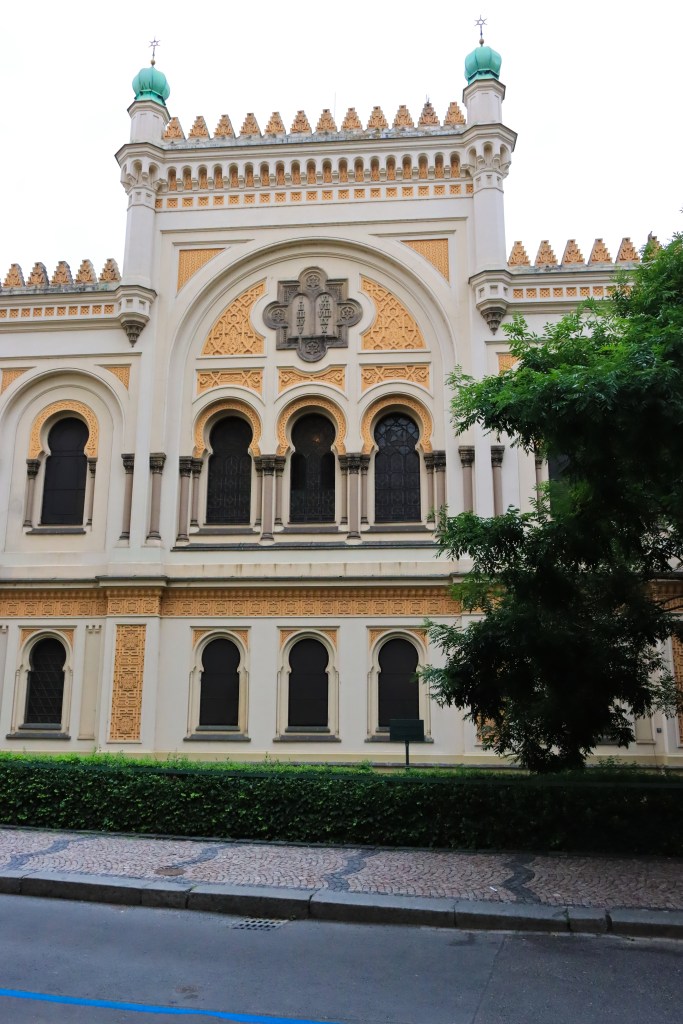
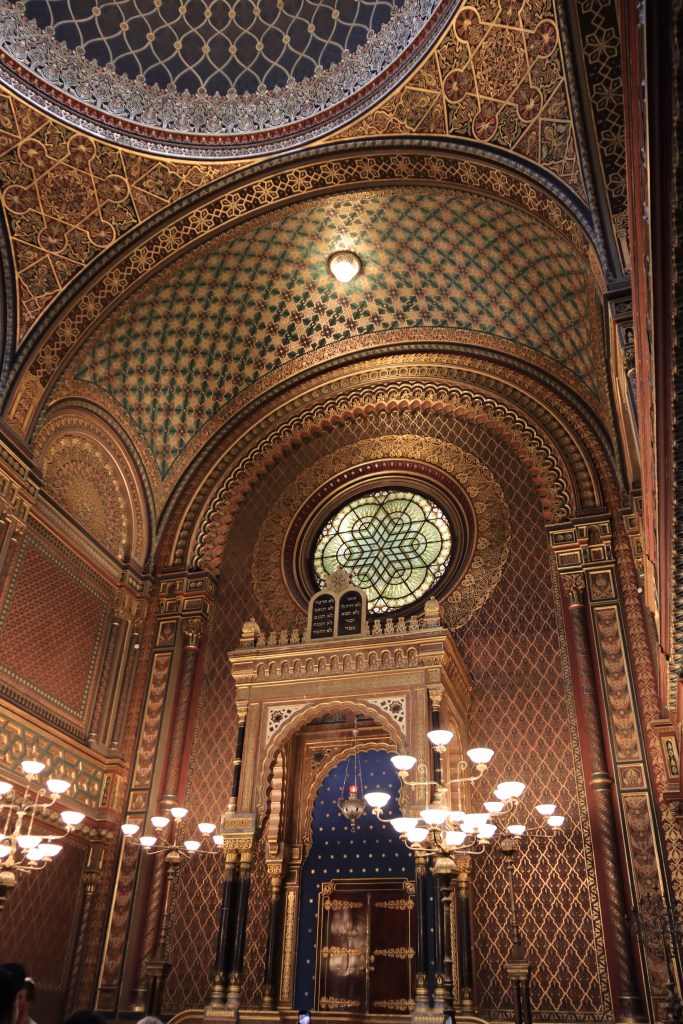
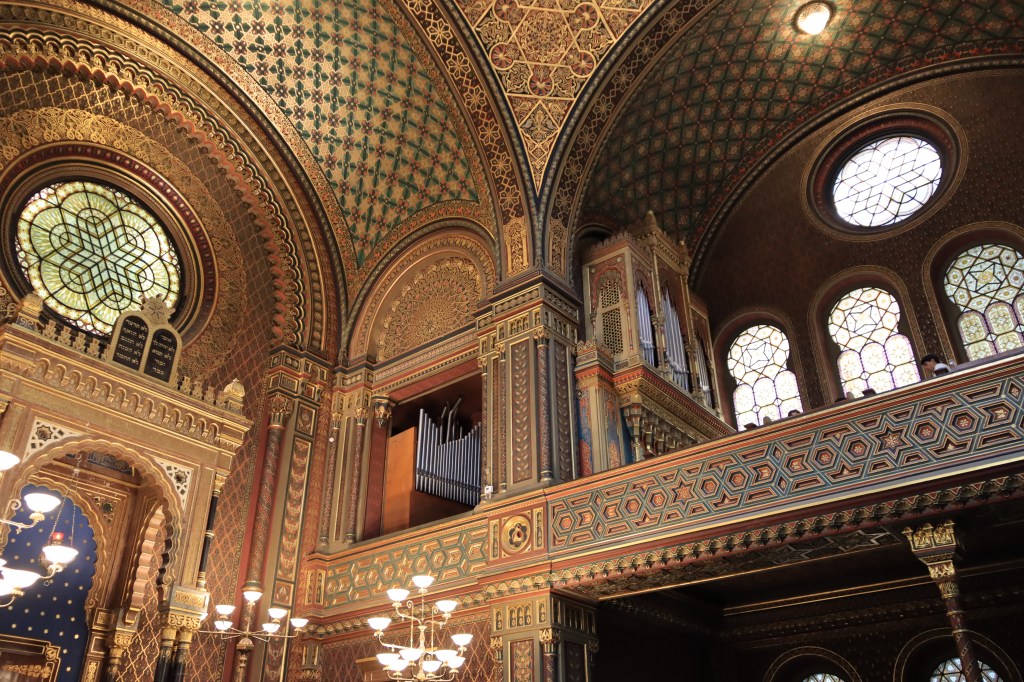
The offending organ.
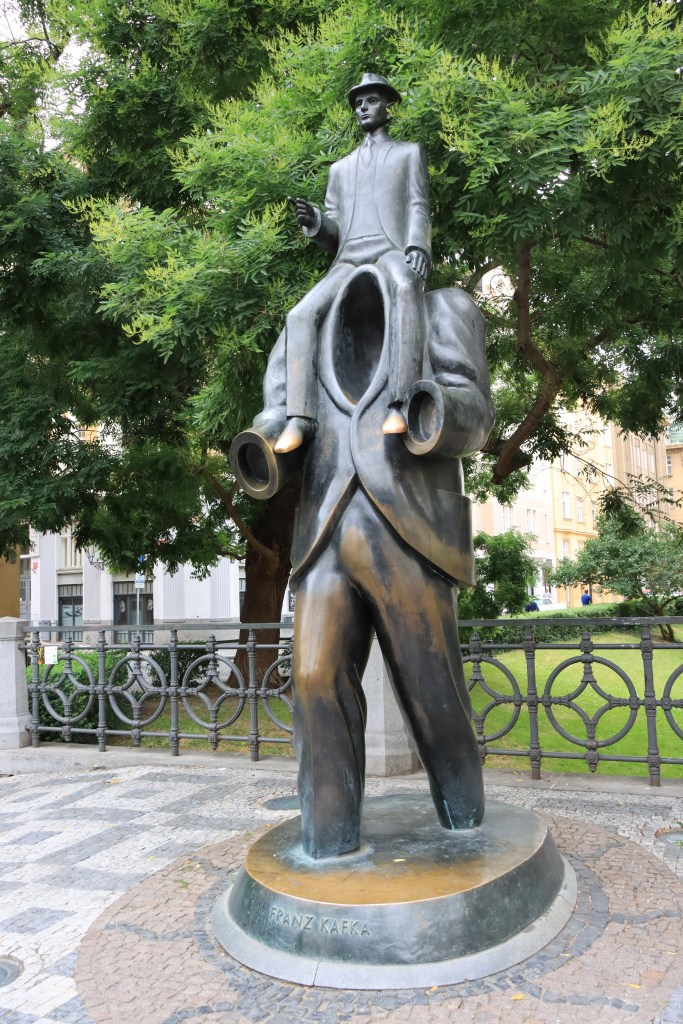
Franz Kafka was a much revered Jewish author. It is said his books were much purchased but never read.
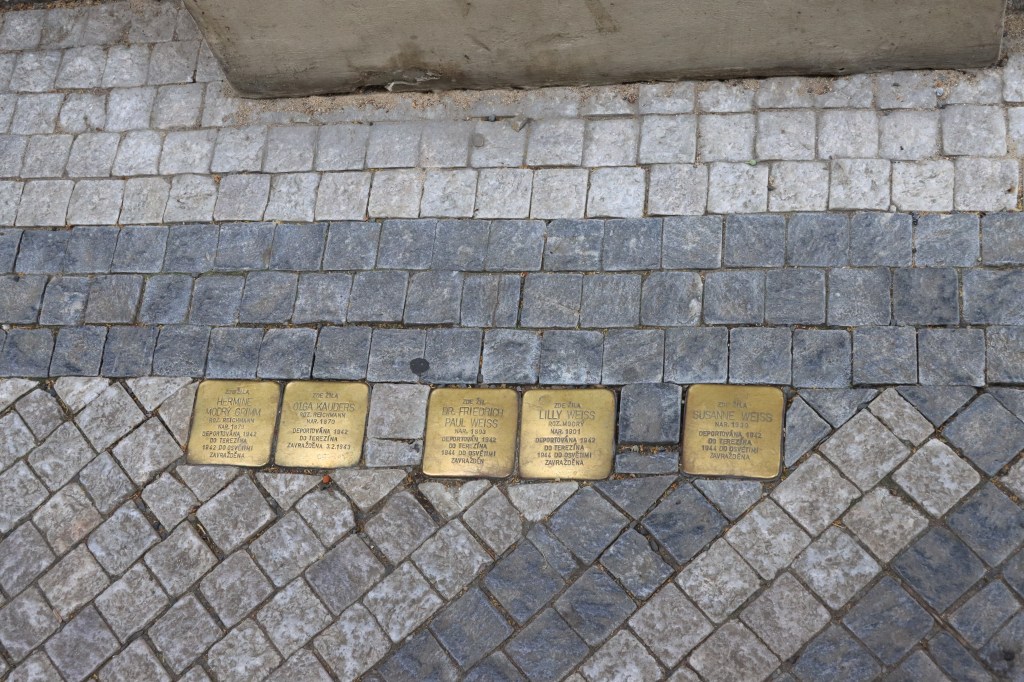
Stumbling Stones. This project was initiated in 1992 by German artist Gunter Demnig . The primary goal of these memorials is to restore the names and faces to the victims, ensuring they are not forgotten
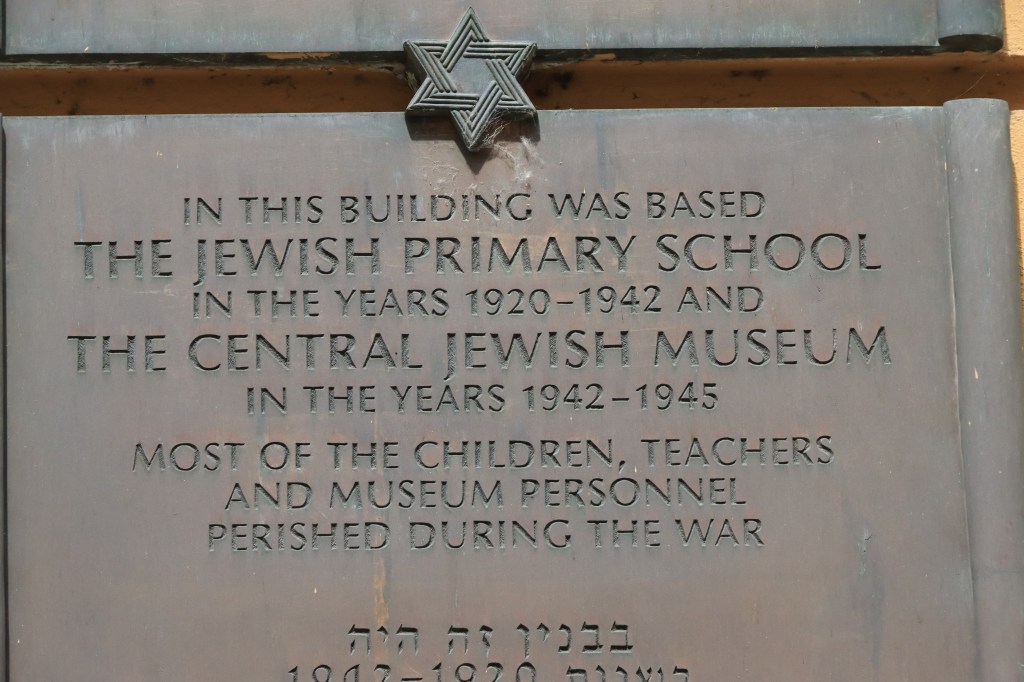
The Nazis decided to maintain Jewish property in Prague and stored and catalogues many thousands of artefacts in this building. The plan was to establish a museum to an exterminated race. Many of these artefacts are displayed throughout the 4 synagogues.
A sometimes challenging tour but one of great interest and importance.
Tomorrow the road trip to Spain begins. We pick up the motorhome at 9 in the morning and head to our first stop in Salzburg, the home of Mozart. This will be a ‘get to know the motorhome’ day and not much sight seeing so the report tomorrow will be brief, unless something crazy happens.
David & Collette

